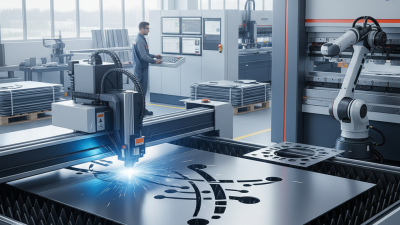
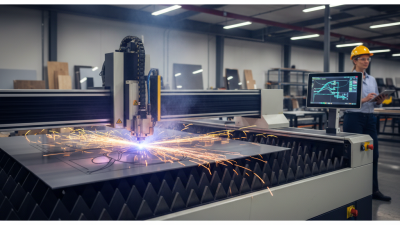
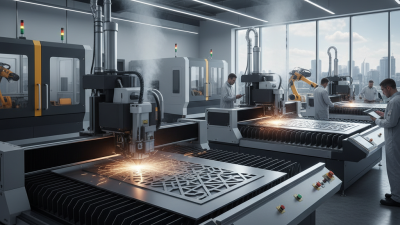
2026 Best Laser Cutting and Bending Techniques for Precision Manufacturing?
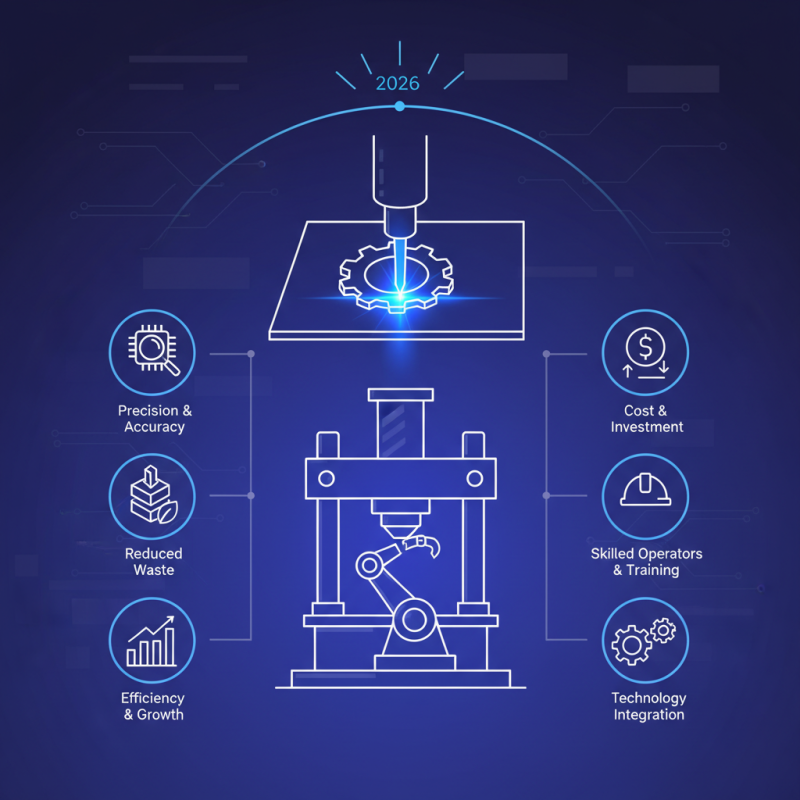
In the rapidly evolving landscape of precision manufacturing, the integration of advanced technologies such as laser cutting and bending has become essential. According to industry reports, the global market for laser cutting technology is projected to reach $6 billion by 2026. This growth reflects a significant shift towards precision and efficiency in manufacturing processes. Companies that harness these techniques benefit from improved accuracy and reduced material waste.
Laser cutting and bending offer unparalleled precision. They transform metal sheets into intricate designs with minimal human intervention. However, mastering these techniques requires specialized knowledge and experience. Many manufacturers face challenges, such as high initial costs and the need for skilled operators. These hurdles should not deter innovation but rather prompt a deeper analysis of how to optimize technology use.
As we approach 2026, understanding the best practices in laser cutting and bending will be crucial for success. Businesses must remain aware of emerging trends and adapt to stay competitive. The journey involves ongoing learning and reflection, especially in areas like technology integration and workforce development. With the right focus, laser cutting and bending can redefine precision manufacturing.
Overview of Laser Cutting Techniques for Precision Manufacturing
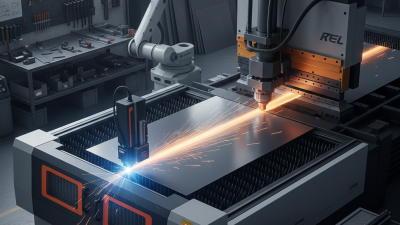
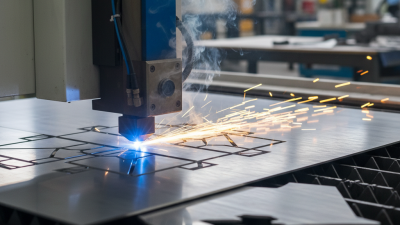
Laser cutting has become a cornerstone of precision manufacturing. It allows for intricate designs with minimal material waste. Various techniques cater to different materials and applications. These methods include fiber laser cutting, CO2 laser cutting, and even hybrid systems. Each technique offers unique benefits, such as faster processing speeds or enhanced precision.
Understanding the specific requirements of a project is crucial. For instance, fiber lasers excel in cutting metals, while CO2 lasers are ideal for non-metallic materials. However, challenges still exist. Mastering these technologies requires constant learning and adaptation. Some manufacturers face a steep learning curve, while others struggle to maintain consistent quality. This variability can impact overall outcomes, leading to frustration in precision work.
The importance of operator training cannot be overstated. Proper skills and knowledge can significantly affect the quality of cuts. As the industry evolves, staying updated with advancements is vital. This evolution encourages manufacturers to be flexible and innovative. As powerful as these cutting techniques are, they still demand a human touch for optimal results. A blend of technology and skill ensures successful outcomes in precision manufacturing.
Comparative Analysis of Laser Cutting and Bending Methods
Laser cutting and bending techniques are pivotal in precision manufacturing. A recent industry report estimates that the global laser cutting market will reach $5.9 billion by 2026. This growth is driven by advancements in technology and an increasing demand for precision in metal fabrication. Traditionally, methods like punch presses dominated the scene. However, laser cutting has gained traction for its capability to deliver intricate designs with minimal waste.
Bending operations, on the other hand, often rely on traditional press brakes. Yet, new developments in laser bending are reshaping the landscape. Studies show that laser bending can reduce setup times by up to 50%. This efficiency translates directly into savings for manufacturers. However, the steep initial investment in laser technology poses a challenge. Many companies may find it difficult to justify these costs. The balance between precision and expense is delicate and often requires careful evaluation.
Precision in manufacturing also raises questions about methods' sustainability. While laser cutting minimizes material waste, it can produce waste heat that impacts the environment. Industry experts suggest that manufacturers need to assess the long-term environmental effects of their chosen techniques. As the demand for greener solutions rises, the future of laser cutting and bending will likely hinge on overcoming these challenges while delivering unmatched precision.
2026 Comparative Analysis of Laser Cutting and Bending Techniques
Applications of Laser Cutting and Bending in Various Industries
Laser cutting and bending have become pivotal in various industries due to their precision and efficiency. The automotive industry, for instance, increasingly relies on these techniques. According to a report by MarketsandMarkets, the laser cutting market is expected to grow at a CAGR of 5.5% by 2026. This growth highlights the demand for precision in manufacturing, particularly in vehicle production. Laser cutting allows for intricate designs in car parts, reducing material waste and enhancing durability.
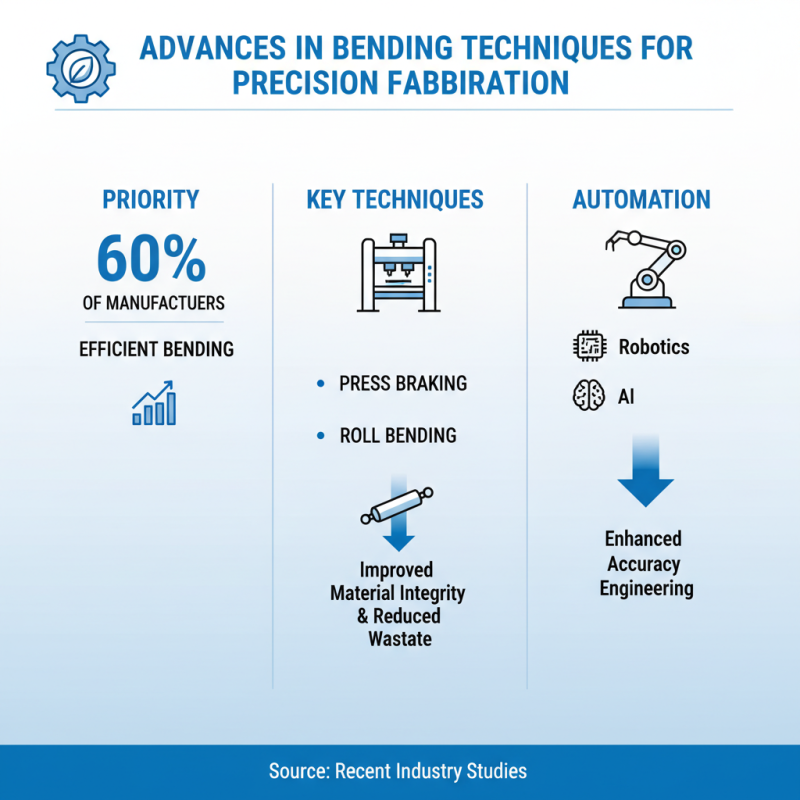
In the aerospace sector, the applications of laser bending are notable. Laser bending offers unparalleled precision, crucial for components that must endure extreme conditions. A study from the American Institute of Aeronautics and Astronautics (AIAA) revealed that 60% of aerospace manufacturers have adopted laser technologies to improve their production processes. However, the high initial costs can be a barrier for some smaller firms, leading to disparities in technology adoption across the industry.
The metal fabrication industry also benefits greatly. High-speed laser cutting reduces lead times significantly. However, there's a learning curve involved. Operators must be trained adequately to navigate complex software and machinery. According to a survey by the Fabricators & Manufacturers Association, 40% of manufacturers cite insufficient training as a major challenge. This underscores the need for skill development alongside technological advancements.
2026 Best Laser Cutting and Bending Techniques for Precision Manufacturing
| Technique |
Description |
Applications |
Advantages |
| Fiber Laser Cutting |
Utilizes fiber optics to generate laser light, resulting in high precision and efficiency. |
Automotive, Aerospace, Electronics |
High speed, low operational costs, minimal maintenance. |
| CO2 Laser Cutting |
Uses a CO2 gas mixture to produce a laser beam, ideal for cutting non-metal materials. |
Wood, Acrylic, Plastic |
Good cut quality, smooth edges on non-metals. |
| Laser Bending |
Uses laser heating to soften materials for precise bending without mechanical forces. |
Manufacturing of shell components, frame structures. |
Reduced risk of material distortion, high precision. |
| Plasma Cutting |
Employs a plasma torch to melt and blow away material, typically for thicker metal sheets. |
Heavy Machinery, Shipbuilding |
Effective for thicker materials, versatile in applications. |
| Water Jet Cutting |
High-pressure water mixed with an abrasive substance for cutting various materials. |
Metal, Glass, Stone |
No heat distortion, suitable for a wide range of materials. |
Future Trends in Laser Technologies for Enhanced Precision Manufacturing
The landscape of precision manufacturing is rapidly evolving, especially with advancements in laser technologies. According to a recent industry report by MarketsandMarkets, the laser cutting market is poised to reach $3.61 billion by 2026, driven by the growing demand for high-precision components across various sectors. In particular, industries like automotive and aerospace are leveraging cutting-edge laser techniques to enhance manufacturing efficiency.
Future trends indicate a shift towards green laser technology, which promises better energy consumption and reduced waste. Reports suggest that green lasers can cut materials up to four times faster than traditional methods, significantly lowering production costs. However, challenges remain. The integration of these technologies requires extensive training and significant upfront investment, which can deter smaller manufacturers from adopting them.
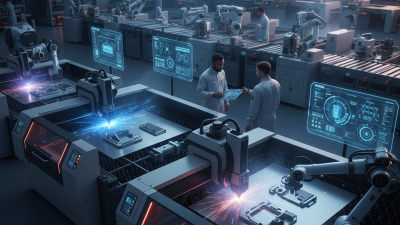
Another emerging trend is the use of artificial intelligence in laser cutting and bending. AI can analyze material responses and optimize cutting paths in real-time. Nevertheless, reliance on technology raises concerns about consistency and quality control, as variations in material properties can lead to unpredictable outcomes. As manufacturers seek to improve precision, balancing technology adoption with traditional craftsmanship will be crucial for sustainable success.