2026 Top Fiber Laser Applications Every Buyer Should Know?
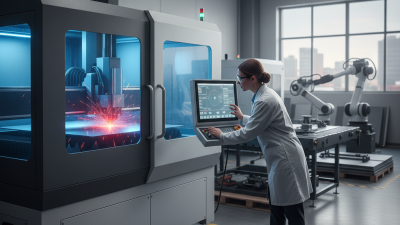
Fiber lasers have transformed various industries by offering precise and efficient solutions for cutting, welding, and marking materials. As technology advances, buyers must stay informed about the latest applications of fiber lasers. In 2026, innovative uses are emerging, showcasing their versatility and reliability across sectors, from aerospace to medical manufacturing.
Understanding fiber laser applications can help buyers make informed decisions. Each application has unique benefits and challenges. For instance, while fiber lasers provide better energy efficiency, they may require specific training for operators. Moreover, some industries may not fully utilize this technology yet. Buyers must evaluate their needs carefully.
Knowledge of fiber laser capabilities can elevate production quality. It's important to consider both current trends and potential future developments. This will ensure that investments align with industry advancements. As you explore this topic, think critically about how fiber lasers can fit into your operational goals. Engaging with professionals and industry experts can provide valuable insights for making the right choices.
Top Industries Utilizing Fiber Laser Technology in 2026
The rise of fiber laser technology in various industries is remarkable. In 2026, several sectors are utilizing this innovation effectively.
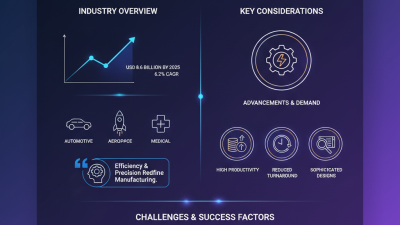
Manufacturing stands out as a primary user. Precision cutting and welding are crucial for automotive and aerospace parts. These processes demand accuracy, which fiber lasers provide.
Medical applications also benefit significantly.
Surgical procedures require precision and minimal invasiveness. Fiber lasers allow for cutting and cauterizing tissue simultaneously. This minimizes recovery time for patients, enhancing overall outcomes.
When considering fiber lasers, think about their versatility. They can handle a wide range of materials, from metals to plastics. However, not all projects require the same type of laser. Assess your specific needs and production goals. Always explore different configurations before committing. A well-informed choice can lead to better efficiency and cost savings. Quality research is essential; stay updated on advancements in fiber laser applications.
Key Benefits of Fiber Lasers Over Traditional Laser Systems
Fiber lasers have gained popularity due to their numerous advantages over traditional laser systems. These lasers are known for their high efficiency, which translates into lower operating costs. Unlike conventional systems, fiber lasers can convert much of the electrical power into laser light. This means less energy wasted as heat. Many users appreciate this efficiency in both small and large scale applications.
Another significant benefit is the maintenance requirement. Fiber lasers have fewer moving parts compared to traditional lasers. This results in reduced wear and tear, leading to lower maintenance costs. Users often rely on these systems for continuous production with minimal downtime. In industries such as automotive and aerospace, this reliability is crucial.
Despite these strengths, some potential users may hesitate. The technology can be complex and may require training for optimal use. Understanding the operational nuances is essential for maximizing performance. Adopting a fiber laser system involves an initial investment, which can be a consideration for some buyers. It's vital to assess the trade-offs between upfront costs and long-term benefits.
Innovative Fiber Laser Applications in Manufacturing Processes
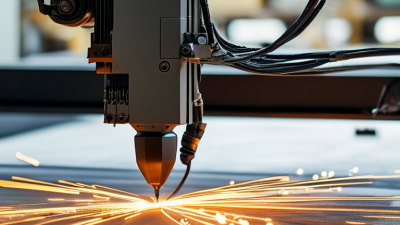
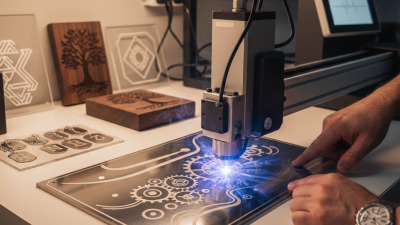
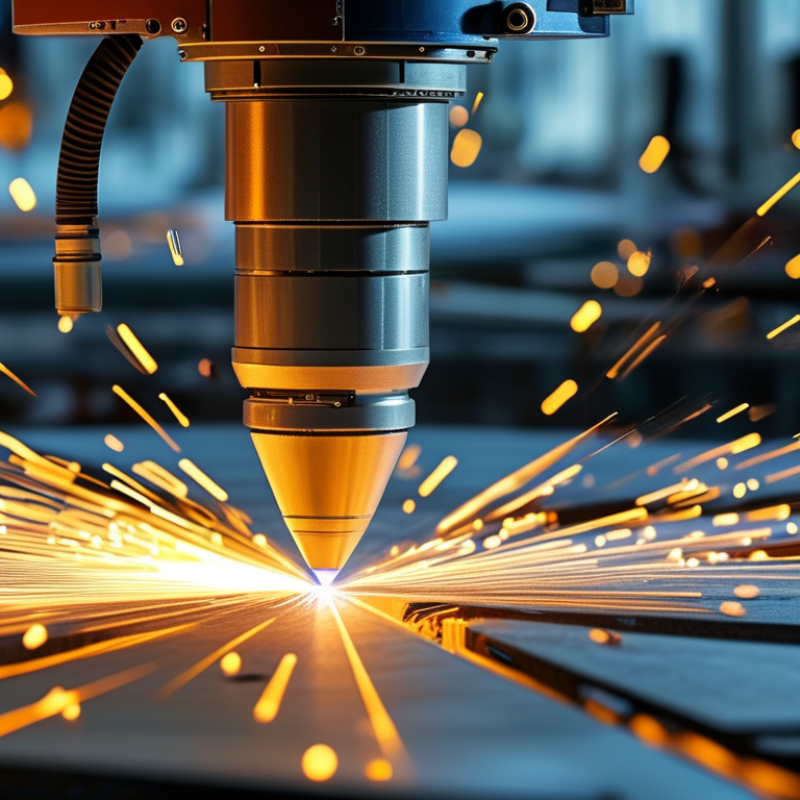
Fiber lasers are transforming manufacturing processes with their precision and efficiency. These lasers excel in cutting, welding, marking, and engraving tasks. The ability to focus a laser beam to a fine point allows for intricate designs and high-speed operations. Their versatility means that industries ranging from automotive to electronics are adopting fiber lasers for various applications.
For effective implementation, consider the material type you’ll be working with. Fiber lasers perform exceptionally well on metals but can also process polymers and ceramics, enhancing their utility. Ensure that your equipment settings align with the material's properties. This alignment will result in better cut quality and reduced waste.
Another vital area is maintenance. Fiber lasers require less upkeep than traditional lasers, yet regular inspections are necessary. Monitor the cooling system and reflectors to ensure optimal performance. A small oversight can lead to diminished efficiency or even failures during critical manufacturing stages. Reflecting on these aspects can lead to superior outcomes in your projects.
2026 Top Fiber Laser Applications Every Buyer Should Know
| Application Area |
Description |
Key Benefits |
Industry Usage |
| Metal Cutting |
Precision cutting of metal sheets and components. |
High speed, minimal thermal distortion. |
Manufacturing, Automotive |
| Welding |
Joining of metal parts with precision. |
Strong joints, reduced heat impact. |
Aerospace, Construction |
| Marking and Engraving |
Permanent marking on various materials. |
High precision, non-contact process. |
Electronics, Consumer Goods |
| 3D Laser Printing |
Additive manufacturing using laser technology. |
Complex shapes, material efficiency. |
Aerospace, Healthcare |
| Sheet Metal Forming |
Shaping metal sheets through lasers. |
Consistent results, minimal waste. |
Automotive, HVAC |
Emerging Trends in Fiber Laser Technology for 2026
Emerging trends in fiber laser technology are set to revolutionize various industries in 2026. One prominent trend is the increasing efficiency of these lasers. Manufacturers are developing systems that consume less power while delivering higher output. This not only reduces operational costs but also meets environmental standards. As sustainability becomes essential, this efficiency will attract more buyers across sectors.
Another noteworthy development is the integration of artificial intelligence in fiber laser systems. AI enhances precision and customization. It allows operators to optimize cutting and engraving processes based on real-time data. This capability leads to significant material savings and reduced waste. However, the challenge remains in ensuring that such systems remain user-friendly. Complexity may deter smaller operations from adopting these advanced technologies.
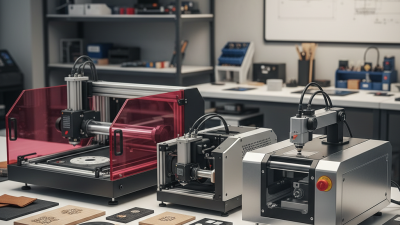
As fiber laser applications expand, the focus on compact and versatile designs rises. Buyers need to consider machines that can easily fit into existing workflows. The ability to handle diverse materials is also crucial. Yet, many companies face the dilemma of balancing versatility with specialization. While broader capabilities are appealing, they may compromise quality for specific tasks. This is a critical reflection point for potential buyers in 2026.
Factors to Consider When Investing in Fiber Laser Solutions
Investing in fiber laser technology requires careful consideration of several key factors. One critical aspect is power. Higher wattage models can cut through thicker materials, which may be essential for specific applications. According to a recent industry report, the demand for fiber laser systems with power ratings over 2 kW is projected to grow by 30% annually through 2026.
Another vital factor is the application versatility of the laser system. Many fiber lasers are designed for multiple functions, including cutting, engraving, and marking. This versatility allows manufacturers to use a single investment across different production tasks. Reports indicate that over 40% of businesses prefer multi-functional machines to increase operational efficiency.
It’s also essential to assess the maintenance requirements. While fiber lasers typically need less maintenance than traditional CO2 lasers, consistent upkeep is still necessary. Regular checks on fiber alignment and cooling systems can prevent costly downtime. Some reports suggest that improper maintenance can lead to a 20% drop in productivity. Balancing these elements ensures a more informed decision when investing in fiber laser technology.