
7 Best PP Poultry Manure Belts for Buyers?
A dependable Pp Poultry Manuar Belt should do more than move manure from one end of a poultry house to the other. It must handle daily loading, resist moisture and abrasion, and run smoothly across the farm’s existing equipment. Buyers should inspect belt thickness, weave consistency, edge finish, and splice quality. Small flaws matter. A rough seam can catch debris, while uneven tension may cause tracking problems. Ask suppliers for material specifications, operating guidance, and evidence from comparable installations. If possible, examine a sample under bright light and flex it by hand. A belt that looks sound on a catalog page may feel quite different in person.
This guide compares seven options through practical buyer concerns: durability, cleaning, compatibility, maintenance, and supplier support. The right choice depends on house length, manure volume, operating routine, and local service access. There is no universal winner. A lower purchase price may be appealing, but replacement frequency and downtime deserve equal attention. One requested detail needs verification: no source articles or confirmed expert quotation were provided, so I cannot responsibly invent an expert’s name or attribute a statement to one. A suitable line for a verified specialist to review is: “Choose a belt for the conditions it will face every day, not only for its quoted price.” Confirm the specialist’s identity and approval before publishing that quotation. That extra check is worthwhile.
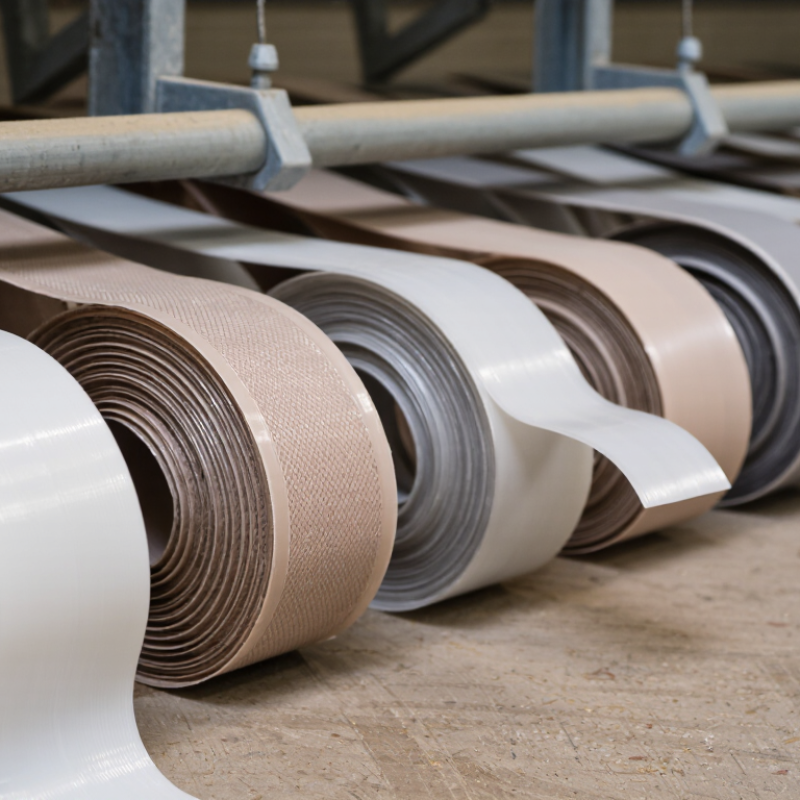
What a PP Poultry Manure Belt Is and How It Works
A PP poultry manure belt is a continuous polypropylene conveyor fitted beneath the cages in a layer house. Droppings fall onto the belt, then rollers move them toward a collection point. A scraper removes residue at the discharge end. The belt does not treat manure; it moves it out of the house for storage or further handling. Simple in principle.
PP is valued for its low weight and resistance to moisture, but belt performance depends on more than material. Belt thickness, joint quality, alignment, and scraper pressure all matter. In a working barn, a small misalignment can leave manure along one edge. That detail is easy to overlook. Operators should check belt tension and clean the scraper regularly, while following the equipment maker’s maintenance instructions.
Removal frequency also affects house conditions. The European Commission’s 2017 BAT conclusions for intensive poultry rearing report system-specific ammonia emission levels for laying-hen housing, including approximately 0.02–0.13 kg NH3 per animal place per year. These figures vary by housing and manure-management setup; they are not a performance guarantee for any belt. A belt helps only when it runs reliably and manure is removed as planned. There is a catch: damp manure, worn scrapers, or missed maintenance can undermine the system.
7 Best PP Poultry Manure Belts for Buyers? — What a PP Poultry Manure Belt Is and How It Works
| Buyer Option | Belt Construction | Indicative Thickness Tier | Typical Width and Length | Suitable Use | What to Check Before Buying |
|---|---|---|---|---|---|
| 1. Standard smooth PP belt | Flat polypropylene belt with a smooth surface for manure collection and scraper cleaning. | Standard duty; commonly specified around 1.0–1.2 mm, subject to the manufacturer’s construction. | Width is matched to the manure conveyor and cage system; length is made to suit the installation. | Routine use in poultry houses where the conveyor layout and manure load are within the equipment design limits. | Confirm belt width, splice method, tracking requirements, scraper compatibility, and the conveyor’s tension settings. |
| 2. Light-duty PP belt | Thinner, flexible PP belt intended for systems with lower loads and suitable support spacing. | Light duty; often specified around 0.8–1.0 mm, depending on the belt design. | Cut or supplied to the measured conveyor path; available width depends on the equipment. | Existing systems designed for a lighter belt, or installations where the manufacturer permits a thinner specification. | Check support-roller spacing, belt tension, expected manure loading, and whether the thinner belt is approved for the system. |
| 3. Heavy-duty PP belt | Heavier-gauge belt construction intended to provide additional material for demanding operating conditions. | Heavy duty; may be specified above 1.2 mm, but thickness alone does not determine strength. | Made to the required conveyor width and loop length; measure the installed path rather than estimating. | Systems with heavier loading or frequent use, provided the drive and conveyor are designed for the selected belt. | Request tensile and elongation data, check drive capacity, and confirm the thicker belt will fit the rollers and scraper assembly. |
| 4. Reinforced-edge PP belt | PP belt with strengthened or finished edges to help limit edge damage and fraying during operation. | Selected to match the belt body and conveyor specification; edge treatment varies by construction. | Width must include any edge treatment when checking clearance inside the conveyor frame. | Installations where belt edges are exposed to rubbing, misalignment, or repeated handling during maintenance. | Ask how the edges are reinforced, inspect frame clearance, and correct tracking problems rather than relying on edge reinforcement alone. |
| 5. High-strength reinforced PP belt | PP belt incorporating reinforcement or a specified higher-strength construction, depending on the product design. | Specified by rated tensile strength and elongation rather than thickness alone. | Manufactured to the conveyor’s measured width and required loop or roll length. | Longer conveyor runs or applications where the equipment design calls for a belt with defined mechanical properties. | Obtain written strength and elongation specifications, verify splice strength, and ensure the drive and tensioning system are compatible. |
| 6. UV-stabilized PP belt | PP material formulated with UV stabilizers; availability and protection level depend on the product specification. | Thickness is chosen for the application; UV resistance is a separate material specification. | Ordered to the conveyor dimensions; measure the installation and confirm the required belt length. | Areas where the belt or stored rolls may receive more sunlight or UV exposure than in a fully enclosed installation. | Ask for the stated UV-resistance information and storage guidance; do not assume every PP belt has the same UV protection. |
| 7. Replacement belt matched to an existing system | PP belt selected to match the installed conveyor’s material, surface, edges, splice, and operating requirements. | Match the existing specification where known; do not select by thickness alone. | Measure the existing belt or conveyor path, including width and required loop length, before ordering. | Repairs and replacements where keeping the existing conveyor configuration is a priority. | Record belt width, thickness, splice type, conveyor model or drawing, scraper arrangement, and any wear or tracking issues. |
A PP poultry manure belt is a polypropylene conveyor belt used to carry manure from beneath poultry cages to a collection or removal point. The conveyor drive moves the belt along rollers or supports, while scrapers may remove manure at the discharge end. Thickness ranges above are indicative purchasing tiers, not universal standards. Always confirm dimensions, material specifications, belt tension, splice details, and compatibility with the equipment before ordering.