Top 10 Benefits of Using ASTM B265 Titanium Sheet for Your Projects?
The use of ASTM B265 Titanium Sheet has gained significant traction in various industries, including aerospace, medical, and marine applications. According to industry reports, the global titanium market is expected to reach over $5 billion by 2026, driven by its lightweight and high-strength properties. This specific grade of titanium sheet offers exceptional corrosion resistance and durability, making it an ideal choice for challenging environments.
Many engineers and architects favor ASTM B265 Titanium Sheet for its versatility. It can be fabricated into various shapes and sizes to meet project specifications. Moreover, studies show that titanium's strength-to-weight ratio is superior to that of traditional metals like steel and aluminum. This advantage leads to reduced energy consumption and enhances overall project efficiency.
While the benefits of using ASTM B265 Titanium Sheet are clear, it is essential to consider aspects like cost and availability. Titanium products tend to be more expensive, which may lead to project budget constraints. However, the long-term savings due to reduced maintenance and replacement costs can offset the initial investment. Proper research and sourcing can mitigate challenges and maximize the benefits of this remarkable material.
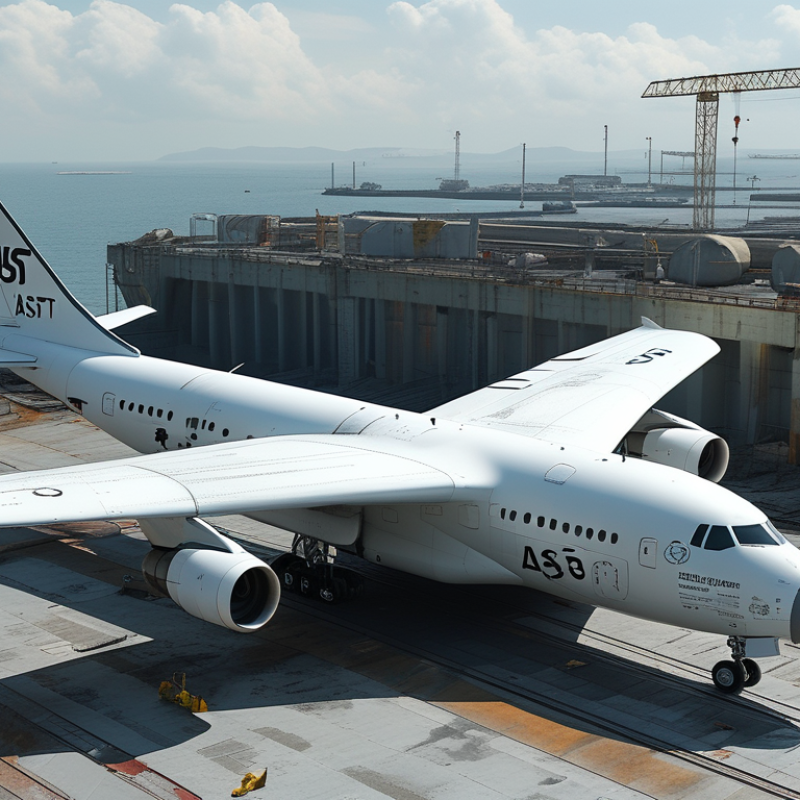
Key Attributes of ASTM B265 Titanium Sheets
ASTM B265 titanium sheets are known for their impressive qualities. They are lightweight yet exceptionally strong, ideal for various projects. These sheets offer excellent corrosion resistance, making them suitable for harsh environments. Their biocompatibility makes them a preferred choice in medical applications. Additionally, their low thermal conductivity allows for diverse usage in industries like aerospace and automotive.
When working with ASTM B265 titanium sheets, consider the following tips. Always check for precise thickness and width before purchasing. Accurate measurements ensure a proper fit for your project. Use appropriate cutting tools to avoid damaging the material. Remember, even small mistakes in handling can lead to significant issues later.
Another important aspect is welding. Proper training and technique are essential when welding titanium sheets. Use a controlled environment to prevent contamination. If you're new to welding titanium, practice on scrap pieces first. Mistakes here can be costly and affect project integrity.
Corrosion Resistance: A Major Advantage of Titanium
Titanium is well-known for its remarkable corrosion resistance. This property is especially vital in industries like aerospace and marine. ASTM B265 titanium sheets are commonly used to create components that face harsh environments. They resist saltwater, chemicals, and high temperatures. This durability leads to extended service life and lower maintenance costs.
Using titanium involves careful consideration. While it is strong and resistant, the initial costs can be high. It requires skilled labor for machining and fabrication. Understanding the material's limitations and proper handling techniques is crucial. Users must evaluate the specific requirements of their projects. In some cases, alternative materials may be more cost-effective. However, for long-term applications, titanium often proves its worth.
Lightweight Properties and Their Impact on Design
When considering materials for design projects, the benefits of ASTM B265 titanium sheets cannot be overlooked. One standout feature is their lightweight property. This characteristic can dramatically reshape project designs, allowing for innovative approaches without compromising structural integrity. Designers can craft components that are easier to handle and transport, facilitating more versatile applications.
Titanium sheets also contribute greatly to overall project efficiency. Reducing weight can lower material costs and manufacturing expenses. It opens doors to creative designs that were previously thought impractical. Optimizing weight leads to better energy efficiency in various applications. Yet, designers must balance weight with strength and durability, ensuring that end products perform reliably in their intended environments.
Tip: Always consider the specific weight requirements of your project. This understanding can guide material choices early in the design phase.
While using lightweight materials is advantageous, it's essential to assess potential trade-offs. Lighter materials may require different fastening techniques or reinforcements. Reflecting on these challenges can enhance the design process and lead to more resilient creations. Prioritize testing and validation to confirm performance under real-world conditions.
Top 10 Benefits of Using ASTM B265 Titanium Sheet for Your Projects
| Benefit | Description | Impact on Design |
| Lightweight | Titanium sheets are significantly lighter than steel, making them easier to handle and transport. | Allows for more innovative designs and reduces overall project weight. |
| Corrosion Resistance | Titanium has a natural ability to resist corrosion, extending the lifespan of projects. | Enables outdoor applications and harsh environments without failure. |
| Strength-to-Weight Ratio | Titanium offers high strength while remaining lightweight. | Allows for thinner and more efficient designs. |
| Biocompatibility | Titanium is non-toxic and compatible with living tissue. | Ideal for medical applications and implants. |
| Heat Resistance | Titanium can withstand high temperatures without losing strength. | Suitable for applications requiring thermal stability. |
| Ductility | Titanium can be easily shaped and formed without breaking. | Enhances creative design possibilities. |
| Aesthetic Appeal | Titanium has a unique and modern appearance. | Adds visually appealing elements to designs. |
| Low Thermal Expansion | Titanium expands less than many metals when heated. | Ensures dimensional stability in varying temperatures. |
| Ease of Machining | Advanced machining techniques allow for precise fabrication. | Facilitates complex component designs with precision. |
| Recyclability | Titanium can be recycled without loss of quality. | Promotes sustainable and eco-friendly design practices. |
Cost-Effectiveness and Longevity of Titanium Sheets
When considering materials for various projects, cost-effectiveness is often a top priority. ASTM B265 titanium sheets stand out due to their longevity and durability. While the initial investment might be higher than some alternatives, the long-term savings are significant. These sheets resist corrosion, which means they require less maintenance. This feature ultimately reduces costs over time.
In addition to cost savings, the lightweight nature of titanium sheets is not to be overlooked. They are strong yet light, making them easier to handle and install. This can lead to reduced labor costs and faster project completion. However, it is essential to evaluate the specific project needs before choosing titanium. While it offers many benefits, not all applications may require the superior qualities that titanium provides.
Investing in titanium sheets can redefine how a project performs. Their longevity can lead to fewer replacements, which benefits budgets over time. Still, careful consideration is necessary. An informed decision balances the upfront costs with the long-term advantages. Understanding these factors can enhance project efficiency while keeping expenditures in check.
Top 10 Benefits of Using ASTM B265 Titanium Sheet for Your Projects
Versatility in Applications Across Various Industries
The versatility of ASTM B265 titanium sheets is evident across various industries. Their resistance to corrosion makes them ideal for chemical processing plants. According to the Titanium Association, titanium's corrosion resistance is up to seven times better than stainless steel in certain environments. This property enhances the longevity of equipment, ultimately leading to lower maintenance costs.
In the aerospace sector, the lightweight nature of titanium sheets reduces fuel consumption. The Global Aerospace Titanium Market Report cites a demand increase of 5% annually for titanium components. This rising trend signals a shift toward more efficient materials in aviation, promoting sustainability. Moreover, titanium sheets' high strength-to-weight ratio allows manufacturers to design robust structures without adding substantial weight.
Tips: When selecting titanium sheets for projects, consider the environmental factors they will face. Research current standards and practices in your industry. Collaborate with technical experts to ensure proper specifications. Sometimes, over-specifying materials can lead to unnecessary costs. Aim for a balance between strength, weight, and economic viability in your applications.