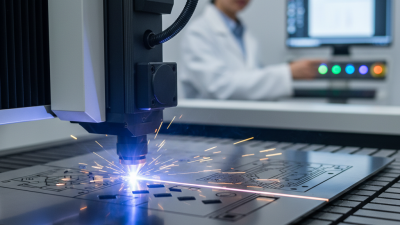
Best CNC Laser Table for High Precision Cutting Solutions?
In the world of precision manufacturing, the importance of a reliable CNC laser table cannot be overstated. These advanced machines play a crucial role in delivering clean and accurate cuts across various materials. Their versatility allows them to handle tasks from intricate designs to large-scale projects, making them indispensable for many industries. However, selecting the best CNC laser table involves more than just looking at features.
Professional users often emphasize the need for high-quality components. Reliability and performance become vital criteria. It's essential to consider the durability of the machine, as frequent use can wear down lesser models quickly. Moreover, not every CNC laser table excels at all tasks; some may struggle with thicker materials, while others may lack speed.
Reflecting on experiences with different models can highlight both strengths and weaknesses. Users may find that what works for one project may not suit another. The learning curve can be steep, and trial-and-error often shapes purchasing decisions. Ultimately, investing in the right CNC laser table can significantly enhance precision cutting capabilities, paving the way for outstanding results.
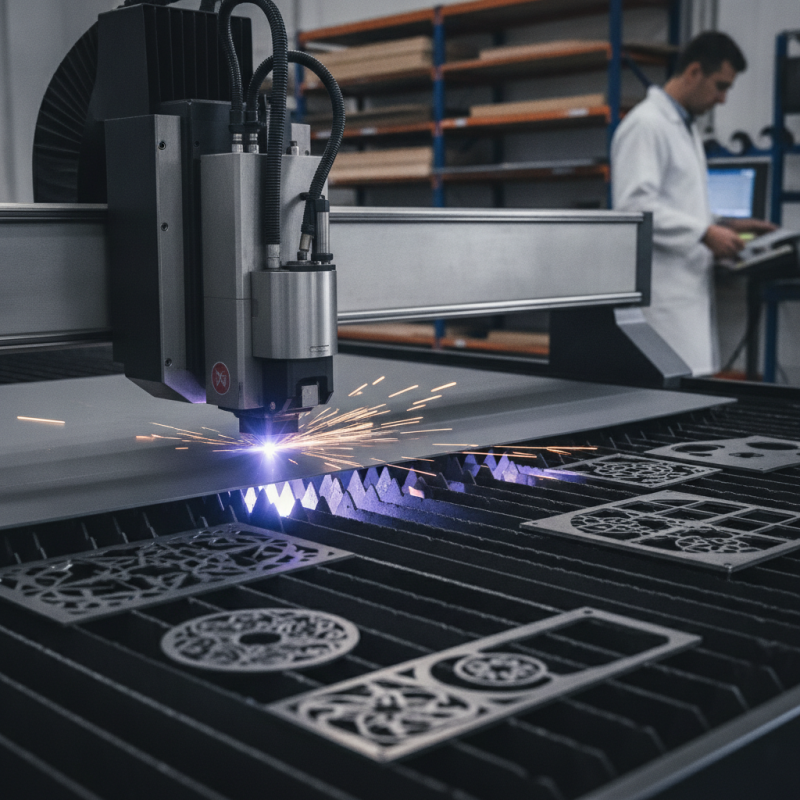
Best CNC Laser Table Models for Precision Cutting in 2023
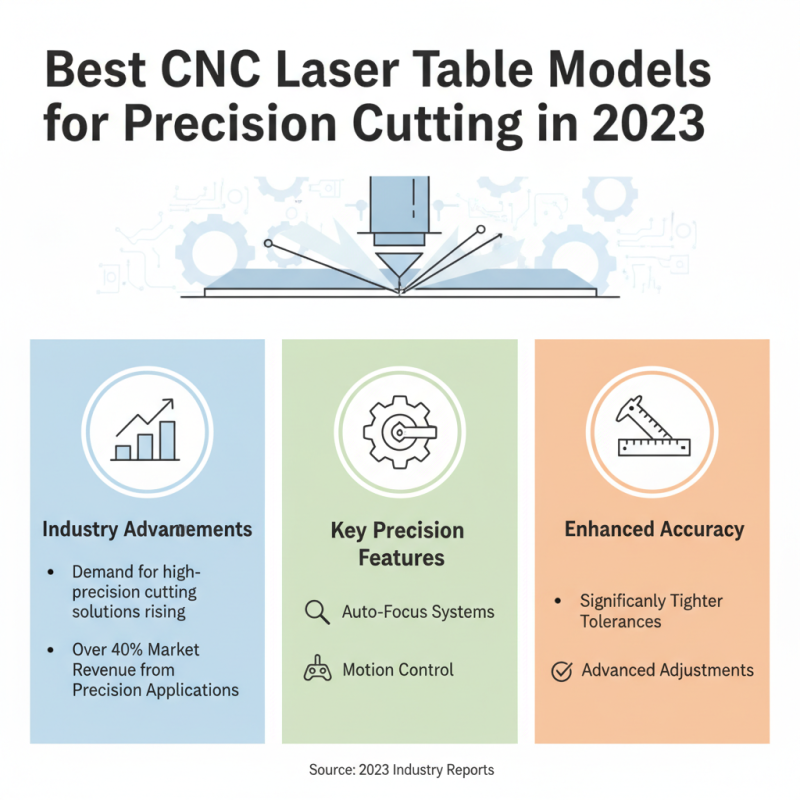
The CNC laser cutting industry is experiencing remarkable advancements in precision technologies. In 2023, the demand for high precision cutting solutions continues to rise. Reports indicate that precision applications account for over 40% of the market’s revenue. Laser tables often integrate advanced adjustments that enhance accuracy significantly. Features such as auto-focus systems and motion control contribute to achieving tight tolerances.
Selecting the right CNC laser table isn't trivial. It's essential to consider factors like beam quality and cutting speed. A good laser source can make a substantial difference in output quality. Failure to account for material types can lead to unexpected results. Reports show that misjudged settings contribute to over 20% of quality issues. Users should always test settings on scrap materials before starting actual work to prevent costly mistakes.
Tips: Regular maintenance is crucial for optimal performance. Keep mirrors and lenses clean. Additionally, utilize software that enables precise path planning. This minimizes waste and maximizes efficiency. Adjust your machine based on real-time feedback to ensure optimal operation.
Key Specifications and Features of High-Precision CNC Laser Tables
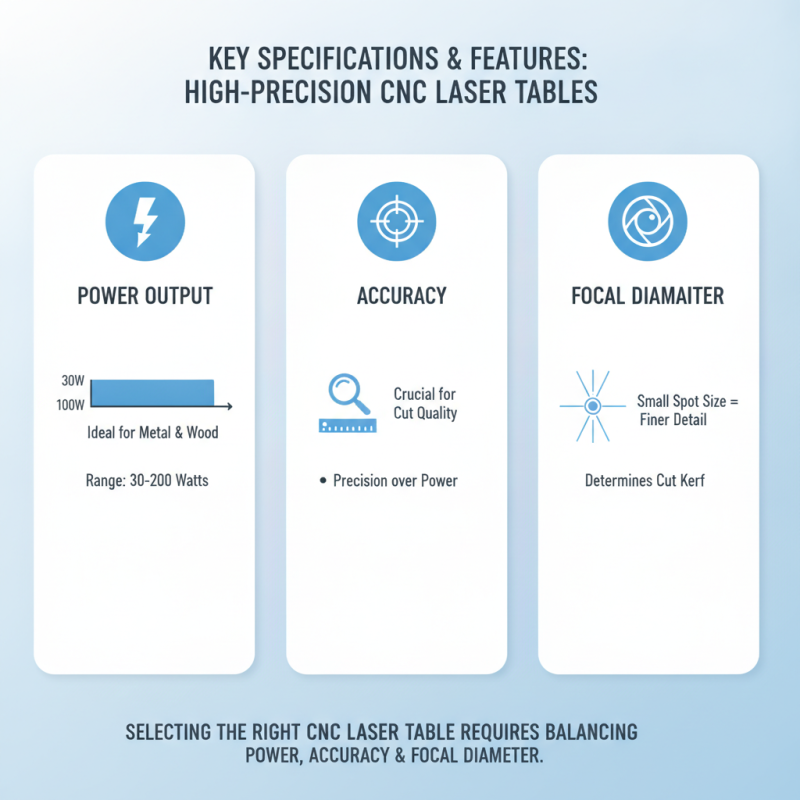
When selecting a CNC laser table for high precision cutting, understanding key specifications is crucial. Power output, accuracy, and focal diameter are vital parameters. Most high-precision CNC laser tables range from 30 to 200 watts in power. Reports indicate that tables with over 100 watts can efficiently cut materials like metal and wood. However, power alone does not guarantee quality; the precision of cuts is equally important.
The accuracy of a CNC laser table is typically measured in microns. High-end models can achieve precision levels of ±0.005 mm. Data from industry analysis shows that precision cutting reduces material wastage by around 30%. However, many users report struggling with fine adjustments. Calibration can be a trial-and-error process, leading to suboptimal results initially. Regular maintenance is necessary to sustain accuracy over time.
Features such as software capabilities and materials compatibility are also essential. Advanced CNC laser tables often include user-friendly software for design integration. However, the steep learning curve can deter first-time users. While these systems provide high versatility, they can be challenging to master. Many operators find themselves needing additional training. Balancing performance and usability is often a dilemma faced by those in the field.
Industry Applications: Where CNC Laser Tables Excel in Precision Cutting
CNC laser tables have significantly transformed precision cutting across various industries. In the automotive sector, for example, they offer intricate designs on body panels. According to a report by Industry Week, precision laser cutting can achieve tolerances of ±0.01 mm. This level of accuracy is vital for high-end vehicles where any minor error affects performance and aesthetics. While laser tables excel in speed and precision, maintaining consistent results can pose challenges. Operators may need extensive training to handle complex designs.
In aerospace engineering, the need for precision is even more critical. CNC laser cutting provides the ability to cut lightweight materials, reducing the weight of components. This contributes to fuel efficiency, a key concern in modern aircraft design. Data from the International Journal of Advanced Manufacturing Technology highlight that laser cutting can enhance production rates by over 30%. However, the initial setup costs and the complexity of software might deter smaller manufacturers.
Similarly, in the electronics industry, CNC laser tables enable detailed engraving on circuit boards. This leads to better connectivity and increased durability. Yet, the sensitivity of components requires constant calibration. Errors can result in significant delays and increased waste. Despite these challenges, the benefits often outweigh the drawbacks. Precision cutting solutions continue to be a game changer across various industries.
Comparative Analysis: CO2 vs. Fiber Lasers in CNC Cutting Solutions
When considering CNC laser cutting solutions, the choice between CO2 and fiber lasers plays a critical role. CO2 lasers excel in cutting non-metal materials such as wood, acrylic, and textiles. They provide smooth edges and precise patterns. For industries needing intricate designs, CO2 lasers are often the preferred choice. They shine in applications like signage and crafts.
On the other hand, fiber lasers are optimized for metal cutting. Steel, aluminum, and brass benefit from the superior power density of fiber technology. These lasers possess a high cutting speed and efficiency. They also require less maintenance due to their solid-state design. However, fiber lasers may struggle with thicker materials compared to CO2 lasers. Such drawbacks might influence decisions based on specific project requirements.
Each laser type has strengths and weaknesses. CO2 lasers are great for detailed work, while fiber lasers dominate metal cutting. Understanding these differences is essential for making informed decisions. Reflecting on applications helps businesses ensure they choose the right technology. Adapting to the learning curve of each laser system also enhances overall cutting quality.
Maintenance Best Practices for Optimal CNC Laser Table Performance
Maintaining a CNC laser table is crucial for achieving high precision cutting results. Regular cleaning is essential. Dust and debris can accumulate on the optics and lens, affecting performance. A quick wipe-down after each use helps prevent buildup. Don’t forget to inspect the mirrors as well. Over time, they can become tarnished. This can lead to uneven cutting and wasted materials.
Another critical aspect is lubrication. The moving parts of the CNC machine require regular oiling. This reduces friction and prolongs the life of the machine. Check the manufacturer's specifications for the right type of lubricant. This small step can make a significant difference in accuracy.
Software updates are just as important. Manufacturers often release updates to improve functionality. Skipping these can result in missed features or security vulnerabilities. If something seems off, troubleshooting is key. Don’t ignore unusual noises or sluggish movement. Addressing issues early can save time and money. Each of these maintenance habits contributes to optimal performance, but remember, perfection is unattainable. Each machine has its quirks and imperfections. Embrace the learning curve.
Performance Comparison of CNC Laser Tables