10 Best Laser Machine Options for Your Precision Cutting Needs?
In today's world, precision is key. The right laser machine can transform your cutting needs, enhancing efficiency and accuracy. These machines offer versatility, catering to various materials like wood, metal, and acrylic. Each option presents unique features and capabilities, making the selection process daunting.
Choosing the best laser machine isn't just about features. It's important to consider your specific requirements. Some machines excel in speed, while others provide intricate detail. Understanding these distinctions is crucial. You might find some machines overwhelming. They can be complicated, leading to mistakes in usage.
Nonetheless, the benefits of the right laser machine are immense. They can create clean, precise cuts that are difficult to achieve with traditional tools. As you explore different options, think about your production goals and workflow. A thoughtful choice can propel your projects to the next level.
Overview of Laser Cutting Technology and Its Applications
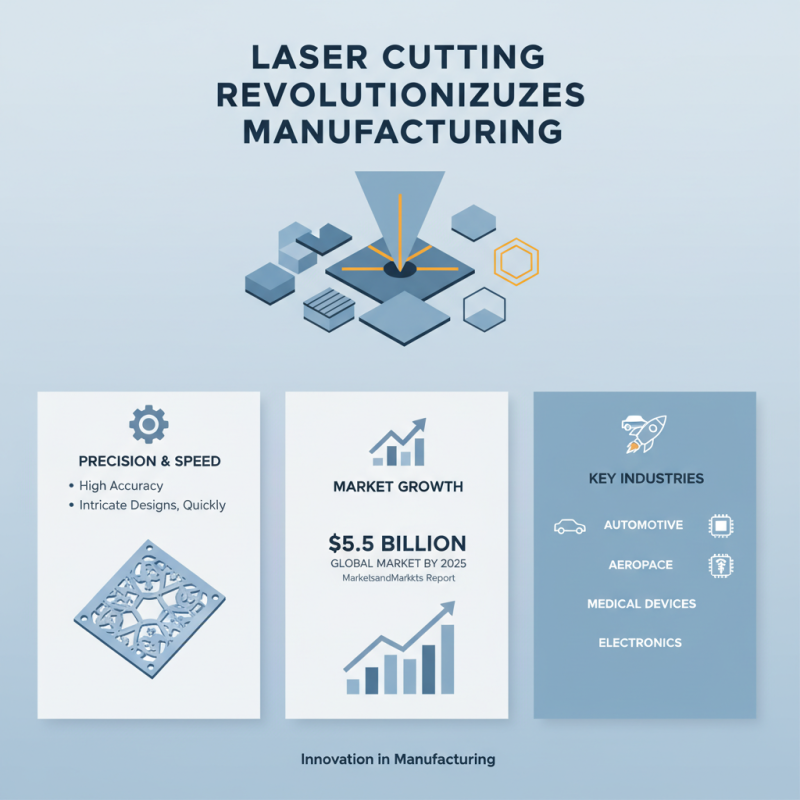
Laser cutting technology has revolutionized manufacturing across various sectors. This precision technique is widely used due to its ability to cut through materials with high accuracy. According to a report by MarketsandMarkets, the global laser cutting market is projected to reach $5.5 billion by 2025, driven by increased demand in industries like automotive and aerospace. The ability to create intricate designs quickly makes laser cutting invaluable.
The technology uses focused laser beams, which can cut, engrave, or etch materials. This process is versatile, working on metals, plastics, wood, and fabrics. For instance, laser cutting can achieve tolerances as tight as ±0.1 mm. However, the high initial investment can be a barrier for small businesses. Additionally, the operational costs can add up, particularly concerning maintenance and power consumption.
In applications like prototyping, laser cutting allows rapid iterations. However, it’s not without challenges. Some materials, like reflective metals, can pose difficulties. Adjustments might be necessary to avoid issues like excessive heat affecting the material. Understanding these nuances in laser cutting is crucial for maximizing efficiency and quality in production settings.
Key Features to Consider When Selecting a Laser Cutting Machine
When selecting a laser cutting machine, several key features demand attention.
Power is crucial. A more powerful machine cuts through thicker materials.
However, it may consume more energy. Consider your typical material thickness before making a choice.
Speed is another important factor.
A faster machine enhances productivity. Still, too much speed might affect precision.
It can lead to rough edges in finished products. Adjusting the balance between speed and accuracy is essential for optimal results.
Finally, ease of use matters. Some machines feature intuitive interfaces,
while others require a steep learning curve. Machines with user-friendly software can save time in training.
Consider support options too; timely technical help can make a big difference.
Finding the right laser cutting machine requires thoughtful consideration of these specific features.
Comparison of CO2 and Fiber Laser Machines for Precision Cutting
When it comes to precision cutting, laser machines can make a significant difference in efficiency and accuracy.
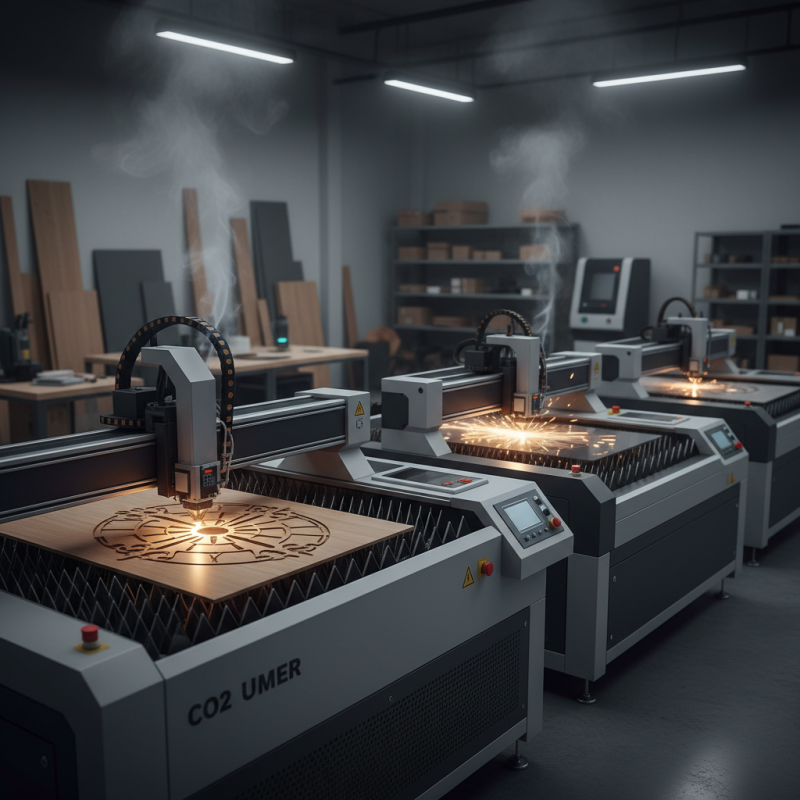
CO2 lasers are popular for cutting materials like wood, acrylic, and fabric. They excel in delivering clean edges and intricate designs.
Their ability to engrave and etch is impressive, making them versatile for various applications. However, they tend to have limitations with metal cutting.
Fiber lasers, on the other hand, shine in their capability to cut through metals effortlessly. They are faster and more energy-efficient compared to CO2 lasers.
The beam quality is superior, resulting in smooth and precise cuts. Yet, fiber lasers can be more costly and may require additional maintenance.
Users often struggle to determine which type best fits their specific needs. The decision involves considering factors like material types and thicknesses.
Laser technology continues to evolve, introducing new features and capabilities. An ideal machine for one project may not suit another.
Users frequently weigh their options carefully, often questioning their choices. Understanding the nuances between CO2 and fiber lasers is crucial for making an informed decision.
Exploring user experiences can provide valuable insights. The best choice may very well depend on individual project requirements.
Top 10 Laser Cutting Machines with Proficiency Ratings and Reviews
When it comes to laser cutting machines, precision is key. Recent industry reports show that the global laser cutting machine market is expected to reach $4.3 billion by 2025, highlighting the growing demand for efficient and accurate cutting solutions. Top-rated machines deliver exceptional performance. However, not all options fit unique cutting needs.
User feedback reveals mixed experiences. Some machines excel in user-friendliness, but can lack in versatility. On the other hand, high-powered units often come with steep learning curves. For instance, machines with high proficiency ratings tend to cut through thicker materials effortlessly but may produce uneven edges if not calibrated correctly. This inconsistency is an area that users often note. They desire reliability without steep prices.
Investing in a laser cutter without thorough research can lead to regrets. Specifications such as wattage, cutting speed, and software compatibility should guide choices. Reports indicate that in 2022, 32% of users cited dissatisfaction due to inadequate support services post-purchase. This factor can drastically influence the user experience. Buyers should consider not only machine capabilities but also long-term support and maintenance.
Cost Analysis: Budgeting for Laser Cutting Equipment and Maintenance
When investing in laser cutting equipment, understanding costs is crucial. The initial purchase price can be steep. Many options range from a few thousand to tens of thousands of dollars. It’s essential to include the various factors that contribute to the total cost.
Maintenance is another aspect to consider. Routine upkeep prevents costly repairs later on. Materials for replacement parts can add up. It's important to budget for these ongoing expenses. Some users find that underestimating maintenance leads to financial strain.
Additionally, training costs can be overlooked. Proper training ensures safe and efficient use. This investment can save money by reducing user errors. Not anticipating these costs can disrupt a budget. Always factor in every element for accurate financial planning.
10 Best Laser Machine Options for Your Precision Cutting Needs - Cost Analysis
| Model |
Laser Type |
Cutting Area (mm) |
Max Power (W) |
Estimated Cost ($) |
Maintenance Cost/Year ($) |
| Model A |
CO2 |
600 x 400 |
60 |
5,000 |
500 |
| Model B |
Fiber |
500 x 500 |
100 |
7,500 |
600 |
| Model C |
CO2 |
900 x 600 |
80 |
6,000 |
450 |
| Model D |
Fiber |
700 x 500 |
150 |
8,500 |
700 |
| Model E |
CO2 |
800 x 800 |
120 |
9,000 |
800 |