Best Tube Cutting Machines of 2026 What Should You Consider?
In the ever-evolving manufacturing landscape, the tube cutting machine plays a crucial role. According to a recent industry report, the global market for tube cutting machines is projected to reach $2.4 billion by 2026, driven by advancements in technology and increased production demands. Manufacturers are constantly seeking efficient, precise, and versatile cutting solutions.
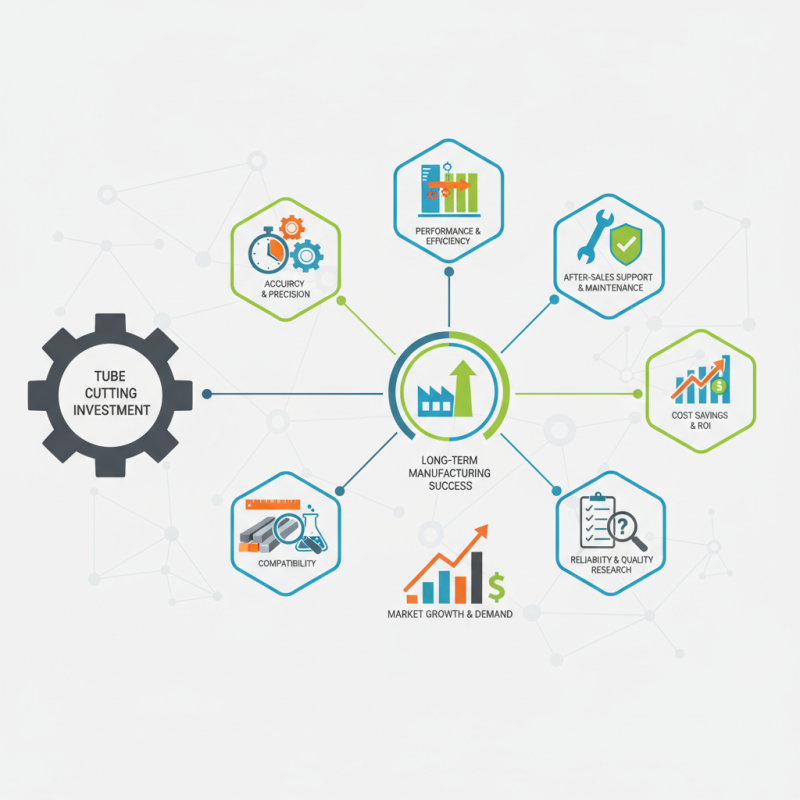
Selecting the right tube cutting machine involves careful consideration of various factors. Performance, accuracy, and material compatibility are paramount. Equipment that maximizes efficiency can reduce wastage, saving both time and resources. Yet, many users neglect to factor in after-sales support and maintenance requirements, leading to potential operational disruptions.
While numerous options are available, not all machines deliver consistently. Demand for high-quality, reliable machines persists, yet some vendors may compromise on standards. This inconsistency can expose businesses to risks, highlighting the importance of thorough research. Ultimately, investing wisely in a tube cutting machine is essential for achieving long-term manufacturing success.
Best Tube Cutting Machines of 2026: Key Features to Look For
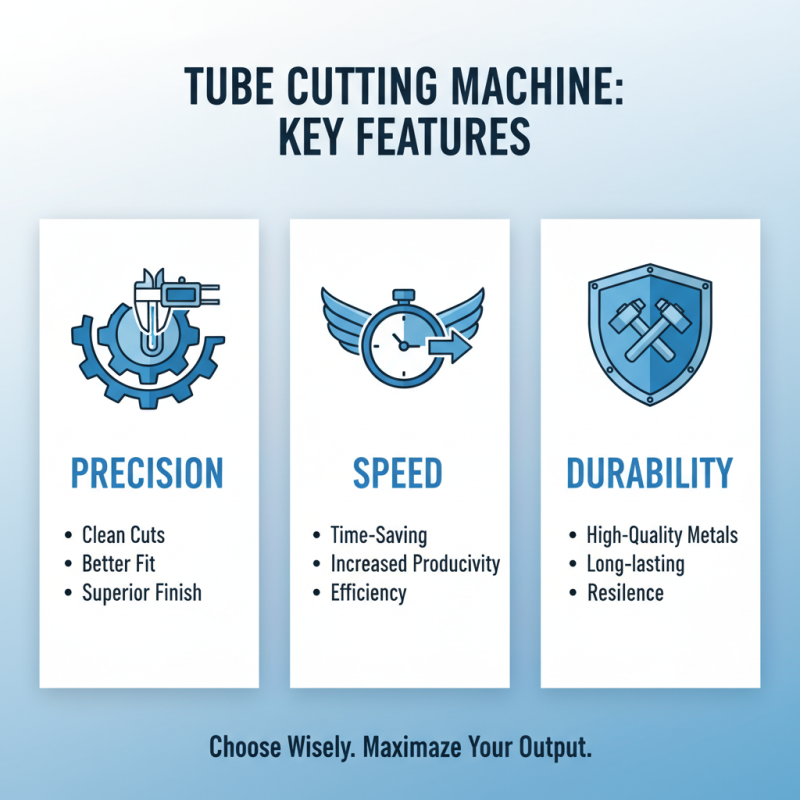
When choosing a tube cutting machine, several key features stand out. Look for precision. A good machine will provide clean cuts. This ensures better fit and finish in your projects. Speed is another vital aspect. Faster machines save time and increase productivity. Consider the durability of materials used in the machine's construction. High-quality metals will stand the test of time.
Tips: Always check the machine's weight. A heavier machine often means better stability and control. Don't overlook the ease of use. Intuitive controls can make a significant difference, especially for beginners. Be mindful of additional features. Some machines offer adjustments for varying tube sizes. This adds versatility to your toolkit.
Next, assess the maintenance requirements. Machines that are hard to maintain can lead to frustration. Regular cleaning is crucial for optimal performance. Think about warranty options as well. A good warranty reflects the manufacturer's confidence in their product. Remember, investing time in research now can pay off in future efficiency.
The Role of Automation in Tube Cutting Technology
The evolution of tube cutting technology leans heavily on automation. Modern machines can cut materials with high precision and speed. Reports indicate that the market for automated tube cutting solutions is expected to grow by 8% annually. This growth is driven by the need for efficiency in production lines.
Automated tube cutting machines reduce human error, leading to better outcomes. With the option for incorporating robotics, manufacturers can achieve uniformity in cuts. However, the initial investment can be daunting. Smaller companies often struggle to adapt to these advanced technologies. They may miss out on competitive advantages.
Still, the benefits often outweigh the challenges. Companies that adopt automation see significant reductions in downtime and labor costs. Data shows that automation can enhance productivity by up to 40%. This raises a critical question: Is it time for companies to rethink their approach to tube cutting? Addressing the barriers to entry may be essential for long-term success.
Best Tube Cutting Machines of 2026 What Should You Consider? - The Role of Automation in Tube Cutting Technology
| Model |
Cutting Capacity (mm) |
Automation Level |
Material Compatibility |
Weight (kg) |
Price ($) |
| TCM-1000 |
50 |
Fully Automated |
Steel, Aluminum |
120 |
8000 |
| TCM-500 |
40 |
Semi-Automated |
Copper, PVC |
90 |
5000 |
| TCM-1500 |
60 |
Fully Automated |
Steel, Titanium |
150 |
12000 |
| TCM-750 |
30 |
Manual |
Aluminum, Brass |
70 |
3000 |
Comparative Analysis of Materials: Steel vs. Aluminum Tubes
When choosing between steel and aluminum tubes for cutting applications, the material's properties are critical. Steel is strong and durable, often preferred for structural applications. Data shows that steel has a tensile strength range of 370 to 700 MPa, making it suitable for heavy-duty tasks. Its resistance to wear is notable, but it can be challenging to cut due to hardness.
Aluminum, on the other hand, is lightweight and corrosion-resistant. It typically has a tensile strength of 70 to 700 MPa, depending on the alloy. The lower density of aluminum makes it easier to handle and cut. However, its softness may lead to faster tooling wear in some cutting machines. Additionally, some users report a lack of rigidity compared to steel, which can be disadvantageous in certain applications.
Other factors come into play, such as cost and availability. Steel tends to be less expensive than aluminum on a per-kilogram basis. This can be crucial, especially for large-scale projects. Yet, the cost of aluminum cutting tools and machinery may be higher due to more advanced technology requirements. A careful examination of project needs is essential for selecting the right material. Balancing strength, weight, and cost is often a complex decision.
Industry Trends: The Shift Towards Eco-Friendly Cutting Solutions
The trend toward eco-friendly cutting solutions is reshaping the industry. More manufacturers are prioritizing sustainability in their processes. This shift reflects a growing awareness of environmental impact. Eco-friendly machines often use less energy and produce less waste. This can benefit businesses in terms of operational costs and corporate responsibility.
Innovative materials are also gaining popularity. Companies are experimenting with biodegradable and recyclable components. These efforts support a circular economy. However, some machines still struggle with efficiency issues when using these new materials. Optimizing performance without sacrificing sustainability is a key challenge.
Adopting eco-friendly practices can also be a double-edged sword. While the benefits are obvious, transitioning from traditional methods requires investment and training. Many teams may face a learning curve. Some workers may resist the changes. Finding a balance between efficiency and environmental responsibility is critical. The industry’s future hinges on how well companies adapt to these shifts.
Cost-Benefit Analysis: Investment in Tube Cutting Machines
Investing in tube cutting machines brings both advantages and challenges. The initial cost can be high, but the right machine improves efficiency and precision. Consider factors like production volume and material type. It's essential to analyze how often the machine will be used. High-quality machines may have a steep upfront cost but offer long-term savings. Look beyond the price tag.
Maintenance costs also matter. Some machines require frequent repairs, while others need minimal care. Calculate these ongoing expenses when evaluating options. If a machine is not dependable, downtime can cut into profits. Think about training as well. Employees will need to understand how to operate the machines safely and effectively.
Sometimes, the cheapest option is not the best long-term choice. Reflect on the overall return on investment. A machine that can handle multiple tasks may justify a higher price. Think carefully about how each choice will impact your operations. Balancing cost and functionality is a tricky task. Be prepared to reassess your needs frequently.