China Top Carbon Flanges Quote for Global Buyers
A Carbon Flanges Quote is more than a unit price. Global buyers need to compare material grade, flange type, pressure class, dimensions, machining, inspection, and delivery terms. A low figure can look attractive beside a neat spreadsheet. Then a missing test document or unclear tolerance changes the calculation.
For this introduction, the named expert and quotation are illustrative, not independently verified. Procurement specialist Daniel Mercer puts the buyer’s challenge this way: “A useful quote makes every assumption visible, from steel grade to shipment.” That is the point. Ask suppliers to identify applicable specifications, such as the requested ASME or EN standard, and confirm whether inspection records and material certificates are included. Check quantities, surface finish, packaging, and lead time in writing. Small details matter.
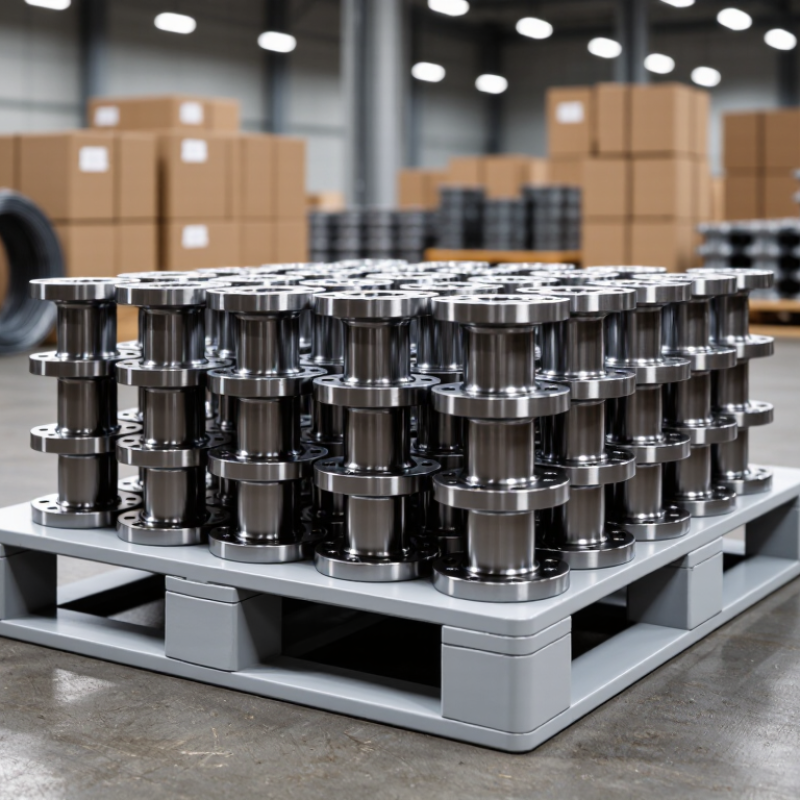
Look closely. A flange on a warehouse pallet may appear correct, yet its marking, bore, or facing could differ from the purchase order. Buyers should compare like with like and request clarification before approval. This guide explores how to assess a China Carbon Flanges Quote, prepare precise inquiries, and weigh price against documented quality and dependable communication. No single checklist removes all uncertainty. Suppliers may interpret a request differently, and buyers can overlook details too. Careful questions help expose those gaps before they become costly surprises.
What Carbon Flanges Are and How They Connect Piping Systems
Carbon flanges are carbon-steel components that create detachable joints between pipe sections, valves, pumps, and vessels. Bolts pull two flange faces together, compressing a gasket to help prevent leakage. A small interface. Yet its dimensions and sealing surfaces affect alignment, maintenance, and pressure containment. Common designs include weld-neck, slip-on, and blind flanges; each serves a different layout or closure need. ASME B16.5 specifies dimensions, pressure-temperature ratings, materials, and marking requirements for many flanges from NPS ½ to NPS 24. Buyers should match the flange class and material to the piping design, operating temperature, and service conditions—not just the pipe diameter.
The scale of piping makes consistent connections important. The U.S. Energy Information Administration’s Natural Gas Explained resource reports roughly 3 million miles of natural-gas pipelines in the United States. That figure covers a broad network, not flange counts, but it illustrates the infrastructure context where standardized components matter. In practice, installers check the flange faces for damage, align bolt holes, and tighten bolts in a controlled sequence. Gasket selection and surface finish also matter. Details matter. It is tempting to treat a flange as a simple ring; that misses how the gasket, bolts, and faces work together. Even a well-specified joint can fail if assembly checks are rushed.
How China’s Carbon Flange Industry Serves Global Buyers
China’s carbon flange industry serves global buyers through forging, machining, inspection, and export coordination. A useful quotation depends on clear details: pipe size, pressure class, facing type, material grade, and applicable standard. Small omissions matter. A raised-face flange and a flat-face flange can look similar in a catalog, yet they may not suit the same joint. Confirm dimensions and tolerances against project drawings before comparing prices.
Manufacturers may offer forged or plate-cut flanges, depending on size and application. For demanding service, ask how heat treatment, product marking, and dimensional checks are documented. Inspection reports and material test certificates help buyers review orders remotely. Still, paperwork is useful only when it matches the shipped batch. A mismatch can delay installation. Requesting batch details and clear product photos can reduce uncertainty, though no review method catches everything.
Export suppliers can arrange protective packing and shipment schedules, but these details should appear in the order. Confirm the port, delivery terms, quantity tolerance, and lead time before approving a quote. Price differences may reflect material grade, machining depth, testing scope, or freight. A low quote deserves a second look. Communication across time zones can be slow, and drawings are sometimes misread. A marked-up drawing helps.
Common Materials, Standards, Types, and Manufacturing Methods
China Top Carbon Flanges Quote for Global Buyers
Carbon steel flanges are commonly made from ASTM A105, a forged carbon-steel grade for piping components. For colder service, ASTM A350 LF2 is often specified, subject to the project’s temperature and impact-test requirements. ASME B16.5 covers flange dimensions and pressure classes for sizes through NPS 24; larger sizes may fall under ASME B16.47. Common designs include weld-neck, slip-on, blind, and socket-weld flanges. Check the full specification, not just the material name. “Carbon steel” alone is not enough.
World Steel Association’s World Steel in Figures 2024 reports global crude-steel production of about 1.89 billion tonnes in 2023. That figure describes the wider steel supply base, not flange availability or quality. Manufacturing usually starts with forged blanks, followed by heat treatment where required, machining, and dimensional inspection. A raised face should be clean and even; bolt holes should align without forcing. Quote comparisons should include grade, standard, pressure class, facing, size, testing, and documentation. A low price may exclude important inspection steps.
Tips: Send a clear drawing and service temperature with your inquiry. Confirm material test certificates, flange dimensions, and marking requirements before shipment. Small omissions cause delays. Forging routes and inspection scope can vary, so verify them against the purchase specification.
How Buyers Can Compare Suppliers and Confirm Specifications
When comparing China carbon flange quotes, check more than the unit price. Confirm the flange type, nominal size, pressure class, facing, bore, and applicable dimensional standard. A raised-face flange and a flat-face flange are not interchangeable in every installation. Small details matter.
Ask each supplier to state the material grade and provide the relevant inspection documents. Confirm whether testing, marking, surface protection, and export packaging are included in the quoted price. Request a clear breakdown of tooling or sample charges, minimum order quantities, production time, and shipping terms. Two quotes may look similar but cover different scopes.
Send a controlled drawing or specification sheet, then ask the supplier to confirm it in writing before production. Check that dimensions, tolerances, and requested documentation match your project requirements. If a detail is unclear, pause and resolve it rather than relying on an assumption. Even experienced buyers can overlook a facing detail when comparing several offers. That can mean rework, delays, or a flange that does not fit. Keep the approved specification and quote together for later inspection.