China Top Affordable Smartwatch Suppliers for Global Buyers
China has become a major sourcing base for buyers seeking an Affordable Smartwatch, with suppliers offering different combinations of design, components, software, and production capacity. A low unit price is only part of the calculation. Buyers should examine battery performance, sensor consistency, app compatibility, sample quality, minimum order quantities, and communication during production. Small details matter. A clear screen under bright showroom lights, a strap that feels comfortable after several hours, and a reliable charging connection can reveal more than a polished product photo.
For transparency, the quotation below is an editorially created perspective, not a verified statement from an interviewed expert. In this guide, sourcing analyst Maya Chen represents a practical buyer-focused viewpoint: “A smartwatch is affordable only when its performance, support, and landed cost make sense together.” That is the central question when comparing China-based suppliers. Ask for a working sample, confirm which features are tested, and check whether software updates and after-sales support are clearly explained. Request written details for packaging, customization, and delivery timelines, too. Then compare like with like. There is no perfect checklist. Product specifications can look convincing while everyday usability remains uncertain, and supplier information may need careful verification. This introduction sets up a closer look at supplier strengths, selection criteria, and trade-offs, so global buyers can make more informed decisions without treating the lowest quotation as the best value.
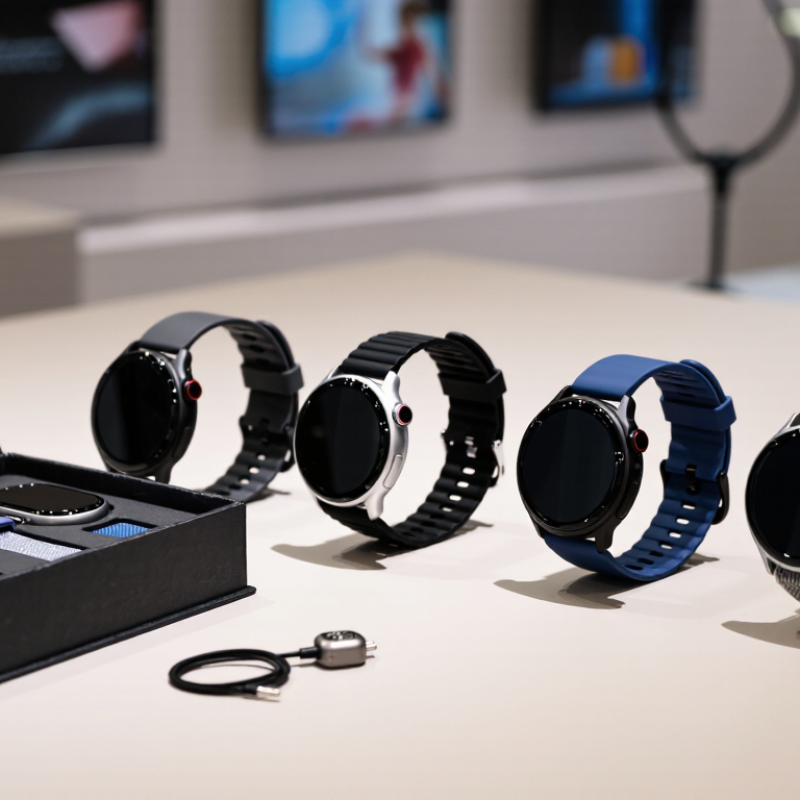
Affordable Smartwatch Suppliers in China: Market Overview
China’s affordable smartwatch supply base includes electronics manufacturers, assembly partners, and trading companies, with notable activity in manufacturing hubs such as Shenzhen and Dongguan. Their offerings range from basic step and sleep tracking to color touchscreens, call functions, and companion apps. Product specifications vary widely, even when two devices look similar.
Buyers often compare suppliers by more than unit price. Ask for a current specification sheet, sample, packaging details, and a clear breakdown of development or customization charges. Check how the supplier handles firmware updates, replacement parts, and quality inspections. A sample can reveal practical details, such as screen visibility indoors or whether the strap feels secure during movement. Details matter.
Lower prices may reflect simpler sensors, fewer software options, or larger minimum order quantities. The gap is real. Confirm which features have been tested on the supplied sample, and agree on measurable acceptance criteria before production. Supplier websites and catalog images can help with initial screening, but they do not prove manufacturing capacity. Some product pages are vague. Request recent product photos or a live factory walkthrough where possible, then compare responses for clarity. A dependable partner should explain limitations plainly, not promise every feature at the lowest price.
Major Supplier Types and Product Specialties
China’s affordable smartwatch suppliers generally fall into four groups: OEM/ODM factories, component-led assemblers, fitness-focused makers, and trading companies. OEM/ODM factories offer casing, screen, strap, and software customization in one package. They suit buyers needing a consistent product line and packaging. Component-led suppliers may offer sharper pricing on displays, batteries, or sensor modules, but integration responsibility can shift to the buyer. Details matter.
IDC’s Worldwide Quarterly Wearable Device Tracker reported 534.6 million wearable-device shipments worldwide in 2024, up 6.1% year over year. The figure covers wearables broadly, not smartwatches alone. It signals scale, but not quality.
Fitness-focused suppliers typically emphasize step counting, heart-rate trends, GPS options, and longer battery life. Ask for sensor test records and sample units; readings can vary with fit and movement. Trading companies can simplify export coordination and mixed orders, yet buyers should confirm who handles firmware updates and defect claims. The categories blur in practice. A factory may outsource sensors, while a trader may manage product engineering. Request a bill of materials, clear minimum order quantities, and a written sample-to-production approval process.
Leading Chinese Suppliers for Global Buyers
China’s smartwatch supplier base offers global buyers a wide choice of product configurations, from compact fitness watches to models with bright outdoor displays. Strong suppliers provide clear component options, sample testing, production timelines, and responsive engineering support. Ask for battery-test conditions, water-resistance test details, and compatibility information—not just a polished specification sheet. Small details matter: a charging cable that feels loose can become a costly support issue.
Demand is shifting, so supplier selection should account for changing markets. Counterpoint Research’s Global Smartwatch Shipments Tracker reported that worldwide smartwatch shipments fell 1% year over year in Q1 2024, while shipments in China grew 13%. This uneven picture makes flexible order quantities and reliable lead-time updates valuable. Still, a report cannot predict how one supplier will perform. Buyers should check sample consistency, inspect production records, and confirm that packaging and user instructions suit their destination markets.
Tips: Request two samples from separate production batches. Compare screen brightness, button feel, charging stability, and measured battery life. Keep written approval records. Specs can mislead.
How to Compare Prices, Quality, and Certifications
For global buyers, compare landed cost, not just the factory’s unit price. Request the same specification from each supplier, including screen type, case material, battery capacity, app support, packaging, and minimum order quantity. Separate tooling, sample, shipping, and warranty costs. A low quote can omit essentials. IDC projected 538.9 million wearable-device shipments in 2024, up 6.1% year over year, in its Worldwide Quarterly Wearable Device Tracker. That figure covers wearables broadly, not smartwatches alone, so use it as market context rather than a sales forecast.
Quality needs evidence beyond polished product photos. Order samples and check screen brightness, menu translation, Bluetooth stability, charging contact, and strap comfort. Test several units for a week; one good sample proves little. Ask for the defect rate, inspection checklist, and replacement terms in writing. Imperfect? Supplier self-inspections may not reveal every production issue. Independent pre-shipment checks can reduce that uncertainty.
Match certification documents to the destination market and exact model. Ask for applicable conformity declarations and test reports, such as CE-related documentation for Europe, FCC records for the United States, and RoHS evidence where relevant. Battery transport may require UN 38.3 test documentation. Verify model numbers, issuing laboratory, dates, and report scope; a certificate for a similar model may not apply. Requirements vary by market and product configuration. Small details matter.
China Top Affordable Smartwatch Suppliers for Global Buyers
Suggested weighting for comparing supplier quotations, product quality, and certification fit.
These buyer-defined weights are an illustrative evaluation framework, not supplier quotes, market averages, or measured supplier results. Verify applicable certifications and product documents for each destination market.
Sourcing, Verification, and Import Considerations
IDC forecast 537.9 million wearable-device shipments worldwide in 2024, up 6.1% year over year. Yet Counterpoint Research reported smartwatch shipments fell 7% that year. The categories and methods differ, but the contrast warns buyers against relying on broad market growth alone. Check supplier capacity against your target price, order size, and delivery schedule.
Request a production sample, not just a showroom unit. Test screen brightness, step counting, call quality, charging, and app pairing over several days. Ask for the component list, battery test records, and reports tied to the exact model and hardware revision. A certificate may cover an earlier version. Verify that detail. No checklist removes all risk.
Before paying a deposit, confirm factory identity, written defect limits, inspection timing, packaging dimensions, and replacement terms. Have an independent inspector compare a random production batch with the approved sample. For imports, ask a licensed customs broker to confirm product classification, duties, taxes, and required documents for the destination market. Include freight, testing, and possible rework in landed-cost calculations. Small omissions add up. A supplier’s estimate is useful, but it is not a customs ruling.