
China Best Air Conditioner Contactor Manufacturers

Choosing among China’s best Air Conditioner Contactor manufacturers requires more than comparing prices or factory photographs. A reliable supplier must understand coil voltage, contact rating, insulation distance, thermal endurance, and compressor-starting loads. These details affect whether an air-conditioning unit starts quietly or produces a sharp electrical snap behind the panel.

HVAC controls specialist Mark A. O’Neill states, “A contactor is small, but its failure can stop the entire cooling cycle.” That observation reflects field experience. A welded contact can keep a compressor running dangerously. A weak coil can cause repeated clicking and premature motor damage. Small part. Large consequence.

This introduction examines manufacturers that combine engineering capability, stable production, and practical quality control. The review considers material selection, silver-alloy contact surfaces, housing strength, terminal design, and testing procedures. It also looks at customization, documentation, export experience, and after-sales support. These factors help buyers distinguish a dependable Air Conditioner Contactor from a low-cost substitute.

China has many capable manufacturers, but quality is not uniform. Some suppliers present impressive catalogs while offering limited test evidence. Others provide consistent products but communicate poorly. That difference matters during installation and maintenance. Buyers should request datasheets, sample approvals, production records, and clear warranty terms before placing large orders.

No ranking is perfect. Product performance may change with load, climate, installation practice, and maintenance quality. A careful buyer should verify every technical claim independently. The following overview aims to make that process clearer, more practical, and less vulnerable to avoidable purchasing mistakes.
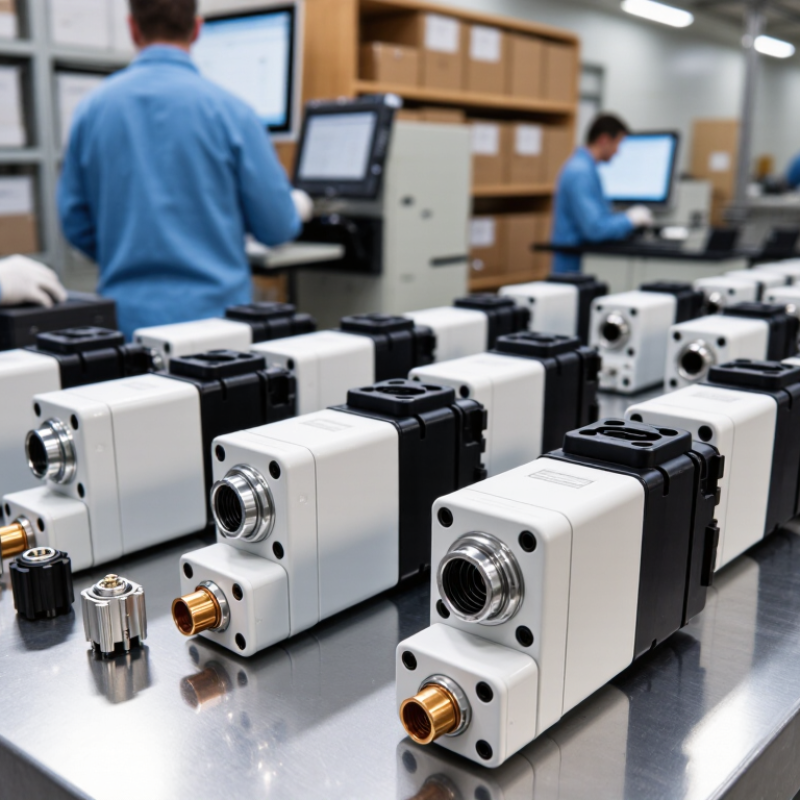
China Best Air Conditioner Contactor Manufacturers

What Is an Air Conditioner Contactor and Why Does Manufacturer Choice Matter?

An air conditioner contactor is an electrically controlled switch. It connects high-voltage power to the compressor, condenser fan, or indoor motor. A thermostat sends a low-voltage signal. The contactor then closes its main contacts. Simple operation. Serious responsibility.

The IEA’s The Future of Cooling report estimates that cooling equipment uses about 10% of global electricity. It also projects cooling demand could triple by 2050. The Global Cooling Watch 2023 report describes similar pressure from rising temperatures and expanding access to cooling. These figures make contactor reliability more important. A weak contactor can create voltage drops, excessive heat, buzzing, or compressor damage.

Manufacturer choice matters because specifications alone rarely reveal field performance. Buyers should check compliance with IEC 60947-4-1, rated operational current, coil voltage tolerance, electrical endurance, and terminal temperature rise. Factory testing should include repeated switching under realistic loads. Traceable materials and consistent inspection records also matter. For Chinese manufacturers, request sample reports, batch records, and climate-chamber test results before approving production.

A practical warning: a contactor may pass a short bench test yet fail after months of hot, dusty operation. No selection method is perfect. That is why independent verification remains valuable. Look closely at silver alloy contacts, spring pressure, enclosure strength, and spare-part availability. A low purchase price can hide expensive service calls. Reliability is not a slogan; it is measured in stable starts, cooler terminals, and fewer unexpected shutdowns.

Key Capabilities of China’s Leading Air Conditioner Contactor Manufacturers

China Best Air Conditioner Contactor Manufacturers

China’s leading air conditioner contactor manufacturers combine electrical design, automated assembly, and strict validation. Their products typically control compressor motors, condenser fans, and heating circuits. The International Energy Agency reported that global space-cooling demand could triple by 2050. This trend increases pressure on contactors to deliver stable switching under frequent cycling.

Strong manufacturers test contact resistance, dielectric strength, coil temperature, contact welding, and mechanical endurance. They also design for voltage fluctuations, high humidity, dust, and compressor start-up currents. Compliance with IEC 60947-4-1 supports safer low-voltage switching and clearer quality comparisons. Production data should be traceable, from copper alloy batches to final relay inspection. However, certification alone is not proof of field reliability. Long-cycle testing remains essential.

Tips: Ask for test curves, endurance figures, and samples from the same production line. Check noise at pull-in and release. Review coil power, terminal heating, and performance after repeated starts. A weak point is often overlooked: compact housings may limit heat dissipation. The U.S. Department of Energy also links higher cooling demand with efficiency improvements, so low-loss contactor design matters. Buyers should compare real operating data, not only catalogue ratings.

How to Compare Product Quality, Certifications, and Technical Performance

When comparing China’s air conditioner contactor manufacturers, product quality should be checked beyond appearance. Examine contact surfaces, terminal strength, spring pressure, and housing insulation. A well-made contactor closes firmly without excessive noise or visible contact bounce. Ask for batch inspection records, not only polished samples. In practical factory audits, inconsistent terminal torque often reveals weak process control. Small detail, serious risk.

Certifications help, but they do not replace testing. Confirm whether the certificate matches the exact model, coil voltage, rated current, and production site. For export applications, review relevant requirements such as CCC, CE, or UL, depending on the destination market. Technical comparison should include AC-3 utilization category, electrical endurance, mechanical endurance, insulation voltage, temperature rise, and short-circuit coordination. Request test reports based on applicable IEC standards. Some suppliers provide impressive figures without test conditions. That deserves a second look.

Tips: Compare samples after repeated switching, not after one demonstration. Check performance at low and high ambient temperatures. Measure coil power, pickup voltage, release voltage, and terminal heating. Ask how rejected units are tracked. A factory that explains failures clearly may be more reliable than one claiming perfection. Also review incoming-material controls and final inspection frequency. No evaluation is flawless; field performance can still differ from laboratory results.

Major Applications Served by Chinese Air Conditioner Contactor Suppliers

China Best Air Conditioner Contactor Manufacturers

Chinese air conditioner contactor suppliers serve residential, commercial, and industrial cooling applications. Their products commonly control compressors, condenser fans, indoor blowers, and electric heaters. In split air conditioners, compact contactors manage repeated starts under changing outdoor temperatures. They are also used in VRF systems, rooftop units, chillers, heat pumps, and cold-storage equipment.

Application details matter. A compressor contactor needs suitable AC-3 capacity, strong contacts, and reliable arc control. Fan circuits may require different current ratings and switching frequency. Suppliers usually offer coil voltages for common control systems, including 24V, 110V, 220V, and 380V options.

I recommend checking inrush current, ambient temperature, terminal spacing, insulation performance, and mechanical endurance before approval. A catalogue rating can look convincing. Field conditions may disagree.

During supplier evaluation, request sample testing under realistic load cycles. Check contact temperature, coil noise, vibration resistance, and performance after repeated switching. For outdoor units, moisture protection and stable operation near freezing temperatures deserve attention. Chinese manufacturers often support customized terminals, auxiliary contacts, and mounting dimensions for replacement projects. However, customization can complicate future maintenance. That trade-off needs careful review. Certification documents should match the actual model, not a similar series. Small details matter.

How to Select the Right Chinese Manufacturer for Your Air Conditioning System

Choosing the right Chinese manufacturer for an air conditioning contactor requires more than comparing prices. Check whether the factory understands compressor starting currents, coil voltage, pole configuration, and frequent on-off cycling. Ask for clear electrical ratings, wiring diagrams, and temperature limits. A reliable supplier should explain these details without vague promises.

Request samples before approving a large order. Test the contactor with your actual control voltage and compressor load. Inspect terminal strength, contact pressure, coil noise, and heat after repeated switching. Review relevant quality certificates, inspection records, and production traceability. Factory audits, video inspections, or independent testing can reveal gaps that brochures often hide.

Tips: Ask for a sample test report, production lead time, warranty terms, and spare-part support. Confirm whether documents match the shipped model.

Communication also matters. A responsive engineering team can adjust the design when enclosure space or ambient temperature changes. Do not accept the cheapest quotation automatically. It may exclude testing or after-sales support. In practical sourcing, I have found that unclear technical answers create more cost later. A small pilot order is safer, although it may slow the purchasing schedule. Check packaging, labeling, and batch consistency before expanding the order.

Contact Us Today for a Free Quote

(800) 708-6036