How to Choose the Best Exterior Wall Cladding Panels in 2026?
As we step into 2026, the choice of exterior wall cladding panels becomes crucial for architects and builders. With the rise of sustainability and innovative designs, selecting the best materials can seem overwhelming. John Roberts, a leading expert in construction materials, emphasizes, "The right cladding can transform a building’s aesthetics and efficiency." His insight captures the essence of what to consider in today's market.
In 2026, exterior wall cladding panels vary widely in materials, styles, and performance. From wood and fibercement to metal and thermoplastics, the options are abundant. It's not just about looks; durability and insulation play vital roles. Factors such as climate, building codes, and maintenance should also be addressed during selection.
One might feel overwhelmed by the technical specifications associated with these materials. Sometimes, it’s hard to balance aesthetics with functionality. Reflect on what the building needs, and don’t rush the decision. Choosing the right exterior wall cladding panels in 2026 requires careful consideration and expertise. Your final choice will not only impact appearance but also the overall longevity and environmental impact of the structure.
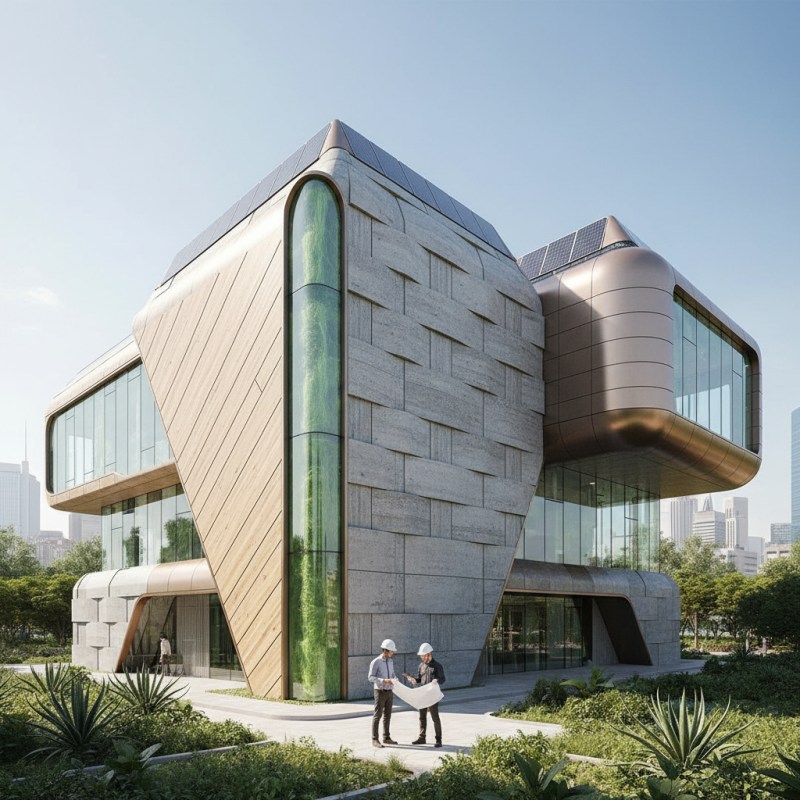
Understanding Exterior Wall Cladding: Types and Benefits
When selecting exterior wall cladding, understanding the different types and their benefits is essential. There are various cladding materials available, each with unique attributes. For instance, vinyl is popular due to its affordability and low maintenance. It can mimic the look of wood while being resilient against harsh weather. However, issues with fading and limited lifespan may arise.
Wood cladding offers a beautiful aesthetic that enhances curb appeal. It provides natural insulation but can require more upkeep. Homeowners should consider the potential for rot and pests when choosing this option. On the other hand, metal siding is known for its durability and modern look. It is resistant to fire and pests, yet it may become prone to denting or rust over time.
Fiber cement is another excellent choice, known for its strength and versatility. It can resemble wood but offers greater durability against the elements. Nevertheless, its weight may make installation challenging. Reflecting on these aspects can help in making an informed decision when selecting the right cladding for your home.
Key Factors to Consider When Choosing Cladding Materials
When selecting exterior wall cladding panels in 2026, consider materials, durability, and aesthetics. The choice of cladding materials significantly impacts energy efficiency. According to a recent industry report by the Building Materials Association, around 35% of building energy loss stems from poor insulation. Thus, choosing the right cladding can enhance energy efficiency by up to 20%.
Weather resistance is critical. Many materials, like vinyl and fiber cement, offer robustness against varying climates. A study from the Global Cladding Industry Federation revealed that cladding can last 30 years or more when chosen wisely. However, not all materials stand up to extreme conditions equally, which may lead to costly repairs over time.
Aesthetic appeal remains an influential factor. Many builders overlook how color and texture will age. Trends indicate that natural finishes are gaining popularity. Moreover, some materials may discolor, requiring reconsideration of long-term aesthetics. Always examine warranties and certifications. This ensures quality and performance standards are met, providing reliable information for homeowners and builders alike.
Evaluating Durability and Maintenance Requirements for Cladding
When choosing exterior wall cladding panels in 2026, durability and maintenance are critical factors. Research shows that materials like fiber cement and vinyl have average lifespans of 25-50 years. However, they also come with different maintenance needs. Fiber cement, while durable, requires repainting every 7-10 years. This can increase long-term costs.
In contrast, vinyl cladding is low-maintenance. It usually only needs a wash with soap and water. A report from the Building Materials Association indicates that 60% of homeowners prefer cladding that minimizes upkeep. Yet, even vinyl can suffer fading and cracking after years of exposure. It's essential to consider these aspects during your selection.
Climate plays a significant role in deciding the best material. Areas with harsh weather require stronger panels. Some materials may not perform well in certain environments. As you evaluate your options, weigh the initial costs against potential long-term maintenance. An informed choice leads to better results.
Durability and Maintenance Requirements for Exterior Wall Cladding Panels in 2026
Aesthetics and Design Trends in Exterior Wall Cladding for 2026
When considering the aesthetics of exterior wall cladding in 2026, the focus will be on natural materials and sustainability. Homeowners increasingly lean towards environments that reflect natural beauty. Materials like wood, stone, and eco-friendly composites will dominate the market. These choices not only enhance visual appeal but also resonate with eco-conscious consumers.
One tip for those exploring cladding options is to think about the color palette. Earthy tones are making a comeback. Shades of green, brown, and grey harmonize with nature. These hues create a calm and inviting exterior. They reflect a shift towards organic design that feels connected to the landscape.
Additionally, texture will play a crucial role in design trends. Smooth finishes are gradually blending with textured surfaces. This creates depth and character. A mix of materials can highlight the home’s unique architectural features. However, be mindful of the balance; too many textures can clutter the aesthetic. Aim for simplicity while embracing innovation, ensuring the final look feels cohesive and purposeful.
Cost Analysis: Budgeting for Wall Cladding Options and Installation
When budgeting for wall cladding in 2026, it’s vital to consider several factors. The cost of materials varies significantly. For example, natural stone can range from $10 to $30 per square foot, while vinyl options may be as low as $2 to $7. Installation costs also vary based on the complexity of the project. On average, expect to pay between $2 and $5 per square foot for professional installation, according to recent industry reports.
Tip: Always get multiple quotes from contractors. Comparing bids can save you a lot.
Additionally, maintenance costs should be part of your budget. Some materials, like wood, require regular treatments, adding to the overall expense. A 2022 survey showed that homeowners spent an average of $1,200 annually on upkeep for wood cladding. On the other hand, materials like metal or fiber cement tend to need less frequent maintenance, making them more cost-effective in the long run.
Tip: Factor in life cycle costs, not just upfront expenses. It can change your decision dramatically.
Choosing the right cladding material involves balancing aesthetics, durability, and cost. Reflect on how each option fits your long-term goals. Skimping on quality might lead to higher costs later. Investing wisely today can influence your property value significantly in the future.