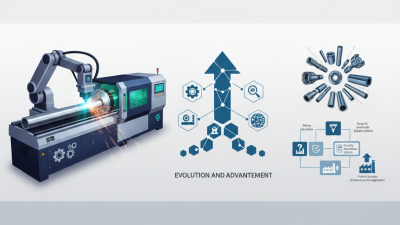
Why Choose Fiber Laser Cutting Machines for Your Business?
In today's fast-paced manufacturing world, businesses constantly seek efficiency and precision. A fiber laser cutting machine presents a compelling solution. Its advanced technology delivers high-quality cuts, saving time and reducing material waste. This makes it an attractive choice for many industries.
Fiber laser machines are known for their speed and versatility. They can cut various materials, from metal to plastic, providing flexibility that traditional methods lack. This capability allows companies to expand their offerings and respond to customer demands quickly.
Investing in a fiber laser cutting machine can significantly impact your bottom line. However, it's essential to consider initial costs and ongoing maintenance. Businesses must weigh the benefits against these factors. Doing proper research and understanding your specific needs will help in making an informed decision.
Advantages of Fiber Laser Cutting Machines Over Traditional Methods
Fiber laser cutting machines offer significant advantages over traditional cutting methods. One key benefit is their precision. These machines can achieve intricate designs with minimal tolerances. This precision reduces the need for secondary processes, saving time and resources. Furthermore, the cutting speed is impressive. Fiber lasers can cut through metals much faster than traditional methods, increasing overall productivity.
Another important aspect is the reduced operational costs. Fiber lasers consume less energy than conventional cutting systems. This efficiency translates to lower utility bills, making fiber lasers a cost-effective choice for businesses. Additionally, they require less maintenance. The longevity of fiber lasers is superior due to fewer moving parts. This reliability reduces downtime and maintenance expenses.
However, some businesses may find the initial investment challenging. The upfront cost of fiber laser machines can be high. Companies must consider their production volume and budgets carefully before purchasing. Nonetheless, many users report quick returns on their investments due to efficiency gains. This needs thoughtful reflection on financial planning and operational needs. As technology evolves, fiber lasers continue to reshape the cutting industry.
Speed and Efficiency: How Fiber Lasers Enhance Production Rates
Fiber laser cutting machines are becoming essential in modern manufacturing. They significantly increase production rates, making them a smart choice for businesses. Their speed is unmatched. These machines can cut through various materials, including metal and plastic, with remarkable precision. This reduces downtime and boosts overall efficiency.
Operators often note how quickly fiber lasers can switch between different tasks. The rapid setup time minimizes delays. In high-demand situations, the ability to produce parts faster gives businesses a competitive edge. Yet, it’s not just speed; the precision of fiber lasers means fewer errors. Reduced waste translates to lower costs and higher profits.
However, adopting this technology isn't without challenges. Initial costs can be daunting for some companies. Additionally, training staff to use advanced machinery requires time and resources. Businesses must weigh these factors carefully. A strategic approach can lead to improvements that far outweigh the initial hurdles.
Speed and Efficiency in Fiber Laser Cutting Machines
This chart illustrates the various performance metrics of fiber laser cutting machines, highlighting their impressive speed, material processing capabilities, production efficiency, and operating cost in a business setting.
Cost-effectiveness of Fiber Laser Technology in Manufacturing Processes
Choosing fiber laser cutting machines can significantly enhance your manufacturing processes. The cost-effectiveness of this technology is one of the primary reasons for its growing popularity. Fiber lasers minimize material waste, making cutting highly efficient. They offer precise cuts, reducing the need for secondary processes. This precision directly translates into savings over time.
Tips: Regular maintenance is vital. A well-maintained machine operates more efficiently and can prolong its lifespan. Training your team on optimal usage is also essential. This can prevent costly mistakes and ensure consistent quality in production.
Another factor is energy efficiency. Fiber lasers consume less power compared to traditional cutting methods. This results in lower utility bills. In a world where energy costs are rising, this offers a competitive edge. However, the initial investment can be substantial. Careful financial planning is crucial. Consider the long-term savings versus the upfront costs. An analysis can reveal if fiber lasers are the right fit for your operations.
Versatility of Fiber Lasers: Applications Across Various Industries
Fiber laser cutting machines have gained attention for their versatility across various industries. These machines can handle different materials such as metal, wood, and plastic. They are ideal for both large-scale production and intricate designs. For example, the automotive sector benefits from precise cutting of complex parts. Meanwhile, the fashion industry employs fiber lasers for unique textile designs.
One notable aspect is their adaptability. Businesses can switch from cutting structural steel to engraving on leather with minimal adjustment. This is particularly advantageous for companies that engage in diverse projects. However, transitioning operations to include fiber laser cutting requires training. Workers need to understand machine settings and maintenance. This learning curve can be challenging but ultimately pays off with improved efficiency.
Despite their benefits, it’s essential to recognize limitations. Not all fiber laser machines are suitable for every application. Some materials may not yield the best results, leading to wasted resources. Companies may need to experiment to find the right settings. This trial-and-error process can be frustrating, yet it fosters growth and innovation within the workspace. Embracing fiber laser technology invites both challenges and opportunities in modern manufacturing.
Environmental Impact: Sustainability Benefits of Fiber Laser Cutting
Fiber laser cutting machines are revolutionizing the manufacturing landscape, particularly in terms of environmental sustainability. They use significantly less energy compared to traditional cutting methods, consuming about 50% less power. According to the American Society for Metals, fiber lasers produce less waste material, leading to a cleaner operation. This reduction in waste aligns perfectly with sustainable practices that modern businesses must adopt.
The precision of fiber lasers also minimizes the amount of secondary operations required, saving both resources and time. A report from the International Energy Agency indicates that precision manufacturing can lower greenhouse gas emissions by approximately 30%. Companies using fiber lasers can contribute to significant emissions reduction while maintaining high-quality output. However, it is essential to ensure the disposal of any generated waste is handled properly to maximize the environmental benefits.
Although fiber laser technology presents many advantages, not every application can fully capitalize on its efficiency. Some materials may not yield the best results when cut with fiber lasers. It's crucial to engage in continuous learning and research to adapt processes accordingly. This ongoing evaluation is vital as industries strive toward enhanced sustainability.
Why Choose Fiber Laser Cutting Machines for Your Business? - Environmental Impact: Sustainability Benefits of Fiber Laser Cutting
| Aspect |
Fiber Laser Cutting |
Traditional Cutting Methods |
| Energy Consumption |
Lower (< 30% of CO2 emissions) |
Higher (Significant CO2 emissions) |
| Material Waste |
Minimal due to precision |
Higher waste due to lower precision |
| Maintenance |
Lower maintenance costs |
Higher maintenance requirements |
| Noise Pollution |
Quieter operation |
Louder operation |
| Recyclability of Materials |
High recyclability |
Potential recycling challenges |