How to Choose the Best Fiber Laser Cutting Machine for Your Needs?
In the rapidly evolving manufacturing landscape, choosing the right fiber laser cutting machine is crucial for business success. Recent industry reports indicate that the global laser cutting market is expected to grow at a CAGR of 6.9% from 2021 to 2028. This surge underscores the importance of selecting a machine that suits specific requirements. The versatility and efficiency of fiber laser technology have significantly improved production rates and quality in various sectors, including automotive and aerospace.
Selecting the ideal fiber laser cutting machine can be daunting. Many options exist, each with unique features and specifications. It's essential to consider factors like power, cutting speed, and material compatibility. A recent survey revealed that 40% of machine users regretted their initial choice, often due to insufficient research. This highlights the need for professionals to thoroughly evaluate their needs before investing.
Investing in a fiber laser cutting machine without proper analysis can lead to costly mistakes. A machine that lacks the necessary specifications may hinder operational efficiency. Therefore, understanding industry standards, and consulting with experts can facilitate more informed decisions. Making a choice based solely on price can backfire; the cheapest option may not deliver the expected results.
Factors to Consider When Choosing a Fiber Laser Cutting Machine
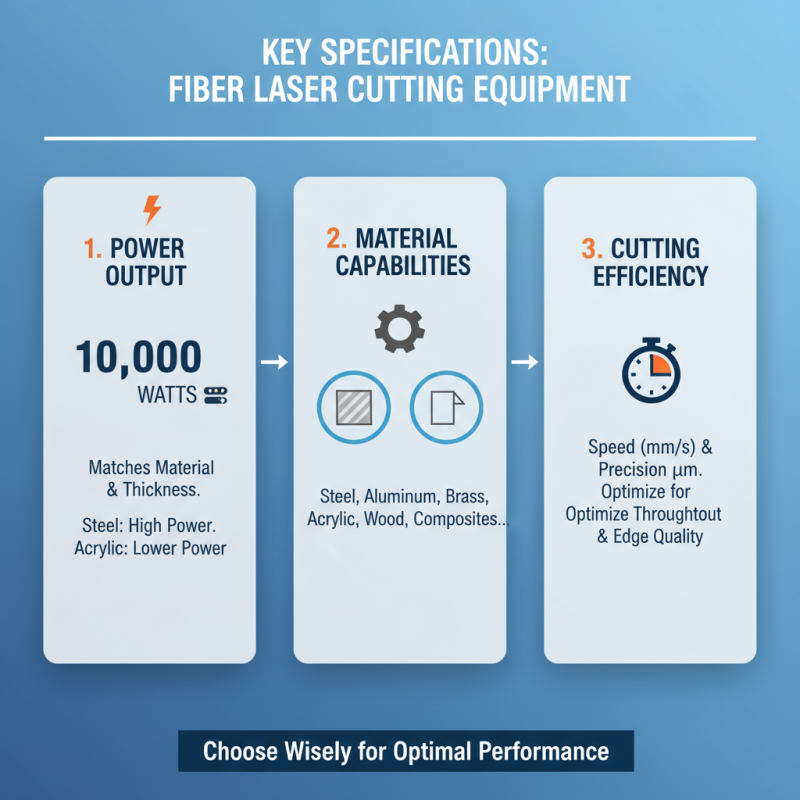
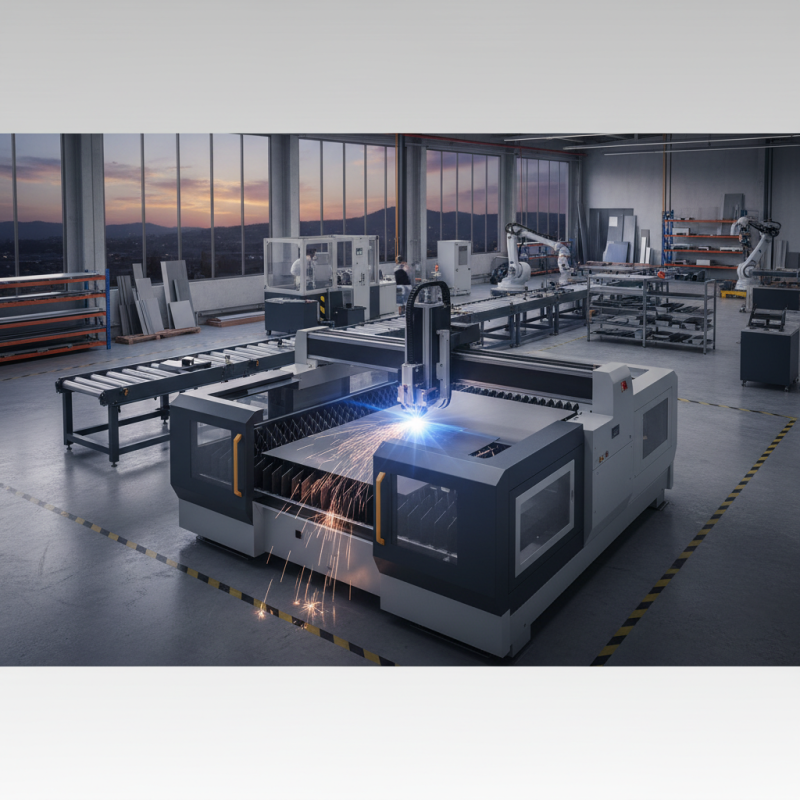
When selecting a fiber laser cutting machine, several critical factors should be considered. The power output is paramount. Different cutting applications require varying levels of intensity. A machine with lower wattage may suffice for thin metals, but thicker materials generally need higher power. Think about the materials you intend to work with. Steel, aluminum, and other metals each perform differently under varying laser intensities.
Another aspect is the machine's cutting speed. Faster machines can boost productivity, but speed may affect cutting quality. It's essential to analyze the trade-off. Focus on the thickness and type of materials you will cut most frequently. Additionally, consider the machine's bed size. A larger bed can accommodate bigger pieces, which is advantageous for certain projects.
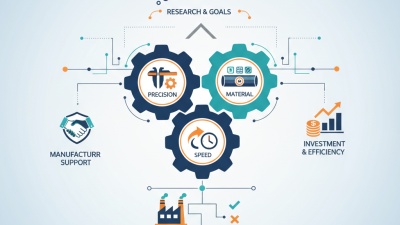
After assessing these technical specifications, reflect on the support services offered by the manufacturer. Reliability and quick response times can significantly impact your operation. Training and maintenance support are equally important. Choose a machine that not only meets your current needs but can also adapt to future growth. A thorough understanding of your specific requirements will guide you toward the best choice.
Comparison of Different Types of Fiber Laser Cutting Machines
When exploring fiber laser cutting machines, it’s crucial to compare the different types available. There are mainly three categories: continuous wave (CW), pulsed, and hybrid lasers. Continuous wave lasers are best for cutting thicker materials with a constant and powerful beam.
Pulsed lasers, on the other hand, excel in precision tasks like engraving and cutting thin sheets. Hybrid lasers combine the benefits of both types, offering versatility in various applications.
Data from the International Laser Marketplace indicates that fiber laser adoption has grown by 25% annually, reflecting their efficiency and cost-effectiveness compared to traditional cutting methods. The power of lasers commonly ranges from 500 watts to 5 kilowatts. Machines with higher power ratings provide faster cutting speeds for thicker metals, while lower power options remain economically viable for lighter materials.
Tip: Assess your typical material thickness. For lighter metals, a 1-2 kW laser may suffice. For thicker cuts, opt for 4 kW or higher.
Remember, not all machines are created equal. Some may not handle all materials effectively. Research shows that user feedback is vital in determining reliability. Reviews often highlight issues with maintenance and service, areas that shouldn’t be underestimated when investing.
Tip: Look for user testimonials and after-sales support when choosing a machine. They can provide insights into long-term performance.
Assessing Your Material Compatibility with Fiber Laser Technology
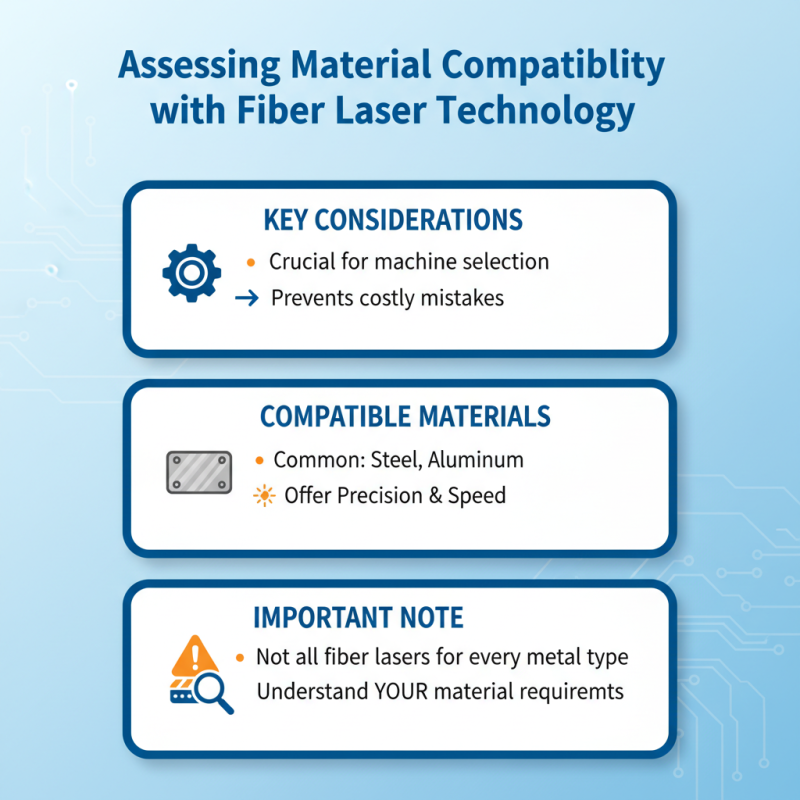
When selecting a fiber laser cutting machine, material compatibility is crucial. Different materials react uniquely to laser cutting. For instance, metals like steel and aluminum are commonly processed with fiber lasers. They offer precision and speed, but not all fiber lasers are suited for every type of metal. Understanding the specific requirements of your materials can prevent costly mistakes.
Additionally, non-metal materials such as plastics and wood can also be cut with fiber lasers, but they often require specialized settings. The thickness of the material, reflectivity, and absorption rates play significant roles in performance. Some users might overlook these factors, leading to suboptimal cuts. Experimentation is important. Testing with scrap materials can reveal the best settings for your specific needs.
Choosing the right machine involves assessing compatibility not just with your primary materials, but also with potential future projects. It's worth investing time in research. Reaching out to industry experts can provide valuable insights. This collaborative approach can enhance your understanding and decision-making process. A well-informed choice can lead to greater efficiency and better product quality.
Budgeting and Cost Analysis for Fiber Laser Cutting Machines
When budgeting for a fiber laser cutting machine, several factors come into play. The initial purchase cost can range significantly, typically between $30,000 and $300,000. This depends on machine size, power, and precision. Research indicates that companies often overlook maintenance costs, which can total up to 10% of the machine’s price annually. Additionally, operational costs like electricity usage and consumable parts can add up swiftly.
Data from industry reports suggest that labor savings alone can make fiber laser machines cost-effective in the long run. Automated features reduce the need for manual intervention. This can lead to increased productivity and lower operational costs. However, businesses must also account for their specific requirements. Many organizations report underestimating their material costs, which can significantly impact the overall budget. Evaluating the total cost of ownership is essential for making informed decisions about investing in fiber laser technology.