How to Choose the Best CNC Cutting Machine?
The purchase price is only the visible part of a CNC cutting machine’s cost. A practical comparison should include electricity, tooling, maintenance, software, installation, training, and unplanned downtime. Calculate the cost over five years, not only the invoice amount. A machine costing 30% less may consume more power and require frequent replacement parts. That difference can quietly reduce production margins.
Workload Assessment Begin with your real materials and workload. Record sheet thickness, cutting hours, daily batch sizes, tolerances, and expected growth. Then estimate hourly operating costs using local energy rates and labor wages. Include dust extraction, compressed air, cooling systems, and waste material. Small details matter. A ten-minute setup repeated twenty times each week becomes a serious annual expense.
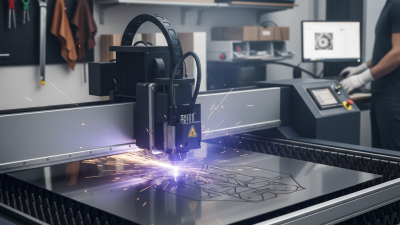
Ask for documented accuracy, service response times, spare-part availability, and safety compliance. Review the warranty carefully, because excluded components can create unpleasant surprises. Request a sample cut using your own material. Inspect edge quality, heat marks, burrs, and setup time. Speak with experienced operators, not only sales staff. A spreadsheet can look precise and still mislead. My own evaluation would remain incomplete without testing maintenance access and software usability. The best machine fits your production rhythm, available skills, floor space, and budget discipline. Low cost is not the same as low ownership cost.