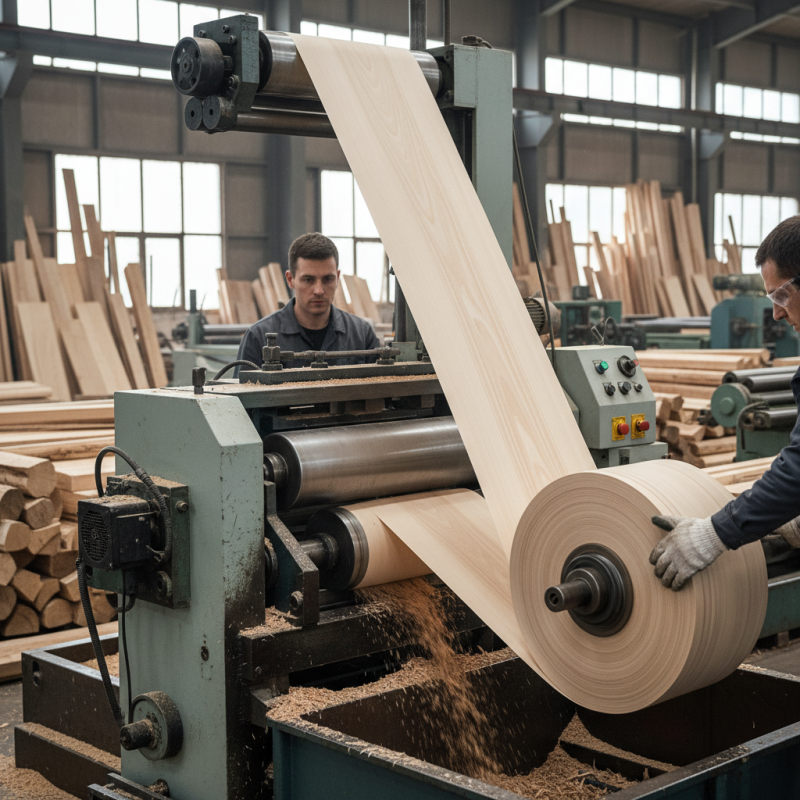
How to Choose the Best Veneer Peeling Machine for Your Needs
Choosing the right Veneer Peeling Machine can significantly impact your woodworking projects. With various models available, understanding your specific needs is crucial. The right machine can enhance efficiency and improve the quality of your finished products.
A Veneer Peeling Machine is essential in producing thin slices of wood. These slices can be used for furniture, cabinetry, and more. Factors such as size, capacity, and peeling speed play important roles in your decision. Evaluating these aspects can avoid unnecessary costs and ensure optimal performance.
It’s easy to feel overwhelmed by the options. Every machine has its strengths and weaknesses. Take time to research and even seek advice from industry professionals. This consideration is key to making a sound investment. Reflecting on your unique requirements can lead you to the best choice.
Understanding the Basics of Veneer Peeling Machines
Veneer peeling machines are essential for the woodworking industry. Understanding their basics is crucial for making informed choices. These machines can efficiently produce thin sheets of veneer, with optimal thickness generally ranging from 0.6mm to 3mm. Industry reports show that the global veneer market is expected to reach over $145 billion by 2026. This growth indicates a rising demand for high-quality veneers.
When choosing a veneer peeling machine, consider the method of operation. There are rotary peelers and sliced peelers, each with distinct applications. Rotary peelers are efficient for large-scale production but may produce uneven thickness. On the other hand, sliced veneer is typically more uniform. Make sure to analyze your specific needs and production capacity before deciding.
Tips: Always assess the machine's maintenance requirements. Regular upkeep is vital for ensuring longevity. Additionally, look for machines with adjustable speed and feed rates. This feature can enhance versatility and improve the quality of the veneer produced. Lastly, remember that the initial cost might not reflect long-term efficiency. A machine that appears more affordable upfront may incur higher operational costs.
Identifying Your Specific Production Requirements
When selecting a veneer peeling machine, understanding your production requirements is crucial. Consider the volume of wood you need to process. If your demand is high, opt for machines with faster processing speeds. A slower machine may suffice for smaller projects, but it might lead to inefficiency.
Think about the types of wood you'll be using. Different species have varied densities and moisture levels. This affects how each machine handles the material. Some machines perform poorly with certain woods. It’s essential to match the machine features with your specific needs.
Tips: Always check for user reviews and experiences. They can provide valuable insights into long-term reliability. Don’t overlook the maintenance requirements of the machine. A high-performing machine is useless if upkeep is complicated. Keep in mind that selecting the right machine involves trial and error. You might find what works best through hands-on experience.
Key Features to Consider in Veneer Peeling Machines
Choosing the right veneer peeling machine is crucial for quality production. Several key features can enhance efficiency and output. One of the most significant aspects to consider is the cutting technology. Rotary and slicer machines differ in the quality of veneer produced. Rotary machines typically offer higher yields, while slicer machines can create thicker, more detailed sheets. Understanding your specific requirements is vital.
Another important feature is the machine's capacity. This includes the diameter of logs it can handle and the thickness of veneer it can produce. A machine with adjustable settings allows for more versatility. Additionally, consider the ease of maintenance. Simpler systems reduce downtime and enhance productivity. Look for machines with easy access to crucial components.
Automation has become a game changer in veneer peeling. It increases efficiency, but it can also raise concerns about the craftsmanship involved. Some experienced operators may feel that more automated machines lack the personal touch. Balancing automation with hands-on involvement is worth reflecting upon. Each production facility has unique needs, making thoughtful consideration essential when selecting a veneer peeling machine.
Comparing Different Types and Models of Veneer Peeling Machines
When selecting a veneer peeling machine, understanding different types and models is crucial. The industry has seen advancements in technology, leading to machines that prioritize efficiency and precision. According to recent reports, rotary peeling machines are widely used due to their ability to produce high-quality veneer quickly. They operate by rotating a log against a stationary blade, creating continuous sheets of veneer. This method minimizes waste, leading to cost savings, which is essential for manufacturers focused on sustainability.
Another option is the slice peeling machine. This model is known for producing thicker veneers, offering a more natural look. However, it is typically slower than rotary models. Reports indicate that slice peeling can generate as much as 20% more waste due to the cutting methods involved. Decision-makers need to weigh the trade-offs between waste and the aesthetics of thicker veneer.
Additionally, consider machines that allow for easy adjustments. Flexibility in operation leads to better adaptability to various wood types. Research shows that machines with adjustable settings can increase productivity by 15% or more. However, overly complex systems may require extensive training, leading to potential downtime. Understanding these nuances helps manufacturers choose a machine that aligns with their operational goals and production needs.
Evaluating Cost-Effectiveness and Maintenance Needs
When selecting a veneer peeling machine, cost-effectiveness is crucial. Consider the initial investment and the long-term operational costs. A cheaper machine may save money upfront, but it might cost more to maintain. Analyze how often you plan to use the machine. A model meant for heavy use will pay off over time, while a lighter machine might not be worth the investment.
Maintenance needs are equally important. Some machines require regular servicing, while others have more straightforward upkeep. Look for machines with easily accessible parts. This can minimize downtime when repairs are needed. User manuals that are clear and comprehensive can also help. Remember, investing in a machine with high maintenance demands could ultimately mean more headaches for your business.
Evaluate not just the price, but the overall value. Think about the materials you’ll process. Some machines handle various veneers better than others. Reflect on your specific needs and usage patterns. Don't overlook feedback from experienced users; their insights can reveal aspects you may not have considered.