How to Choose the Right Bucket Bushing for Your Needs?
Choosing the right Bucket Bushing is essential for optimal equipment performance. According to industry expert Mark Johnson, "Selecting the appropriate bucket bushing can greatly enhance your machine's efficiency." Understanding the types and applications of bucket bushings can be overwhelming.
Bucket bushings serve a crucial role in minimizing wear between components. They help in providing smooth movement and protecting vital parts from damage. With numerous options available, making the right choice isn’t always straightforward. Many users overlook the importance of material properties and dimensions. This oversight can lead to poor performance and increased maintenance costs.
In a world where precision matters, wrong selections can bring frustration. It’s vital to evaluate your unique needs carefully. Analysis of operating conditions and machine specifications will guide you. Experienced users often note that trial and error can lead to better understanding, but this isn’t a recommended approach. Effective decision-making involves thorough research and expert advice.
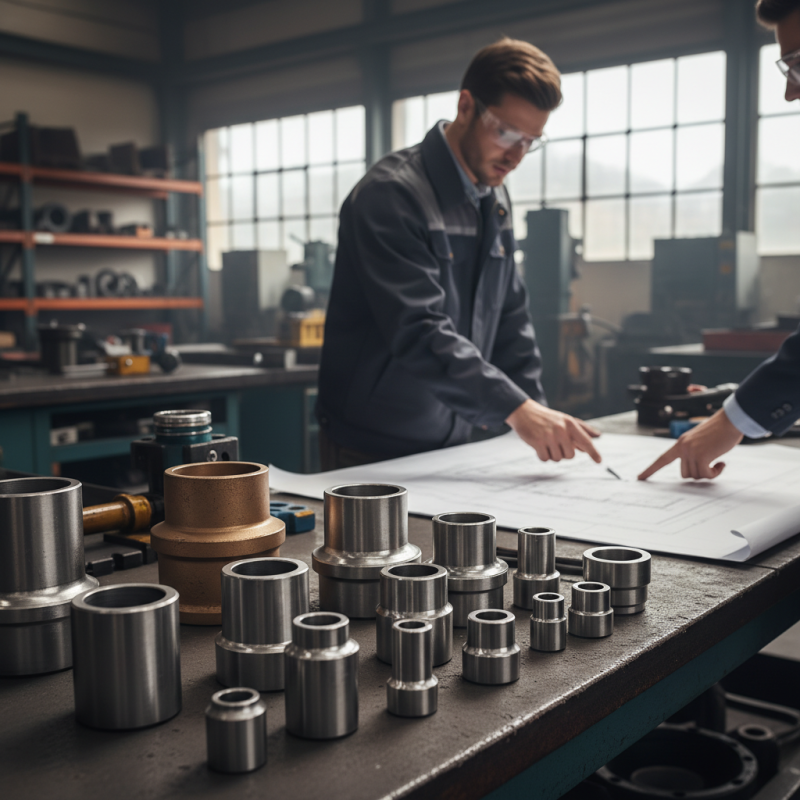
Understanding Bucket Bushings: Types and Functions
When selecting the right bucket bushing, understanding the types and functions is crucial. Bucket bushings serve as a protective layer between rotating and non-rotating parts. They help reduce wear, friction, and vibration. According to industry reports, the market for bucket bushings is projected to grow at a CAGR of 5% from 2023 to 2028.
There are various types of bushings, including sleeve, flanged, and pivot bushings. Each type serves a specific role in machinery. For instance, sleeve bushings are commonly used in applications requiring axial load support. Flanged bushings prevent lateral movement, which is essential in applications with heavy shocks. Choosing the right type directly impacts performance and lifespan.
Tips: Always consider the environmental conditions of your application. Factors like temperature and moisture can affect bushing material choice. Regularly inspect bushings to identify wear and tear early. Remember, not all bushings are made equally. It’s important to match the bushing material with your specific needs. Failure in this aspect can lead to unexpected maintenance and costs.
How to Choose the Right Bucket Bushing for Your Needs? - Understanding Bucket Bushings: Types and Functions
| Type | Material | Function | Typical Application | Maintenance Tips |
| Fixed Bushing | Steel | Provides stability and support | Heavy-duty construction | Regular lubrication and inspection |
| Adjustable Bushing | Aluminum | Allows for positional adjustments | Excavators and cranes | Check adjustment settings regularly |
| Replaceable Bushing | Bronze | Easily replaced when worn | Mining and aggregate industries | Monitor wear levels to replace on time |
| Spherical Bushing | Polymer | Enables multi-directional movement | Material handling equipment | Inspect regularly for wear and tear |
| Thrust Bushing | Bronze/Steel Composite | Supports axial loads | Heavy machinery and vehicles | Maintain lubrication levels |
Key Factors to Consider When Selecting Bucket Bushings
Choosing the right bucket bushing is crucial for optimal performance. When selecting bucket bushings, consider a few key factors. First, material selection is vital. Bushings made from durable materials like bronze or polyurethane last longer. They can withstand heavy loads and resist wear and tear. Evaluate the environment in which the bushing will operate. Dusty or wet conditions may require specific materials for longevity.
Another important factor is compatibility. Ensure the bushing matches the bucket’s specifications. An incorrect fit can lead to poor performance and damage. Measure the dimensions carefully. Axle sizes and attachment points must align perfectly. This attention to detail can save time and costs in the long run.
Finally, consider the load capacity of the bushing. Do not overlook the weight it will carry. Underestimating this can lead to failures. Regularly assess your needs and the demands of your operations. Continuous reflection on performance will guide future selections. Remember, the right choice today can lead to better efficiency tomorrow.
Material Choices for Bucket Bushings: Pros and Cons
Choosing the right material for bucket bushings is crucial. Each option has distinct advantages and disadvantages. Steel bushings offer durability. They can withstand heavy loads and resist wear. However, they're prone to rust without proper care. This limits their lifespan and performance in harsh environments.
On the other hand, nylon bushings provide excellent corrosion resistance. They are lighter and quieter in operation. This can lead to smoother machinery performance. Yet, nylon may not handle extreme temperatures as well as metal options. It’s essential to consider operational conditions when selecting materials.
Another choice is composite materials. These often combine the strengths of different substances. They can provide a balance between weight and durability. However, these materials may complicate the recycling process. Each material has trade-offs, and recognizing them can aid in making an informed decision. It’s vital to reflect on your specific needs and environment to find the most suitable option.
Material Choices for Bucket Bushings: Pros and Cons
Installation and Maintenance Tips for Bucket Bushings
When installing bucket bushings, precision matters. Ensure the bushing fits snugly in the bucket to prevent wear and tear. Inspect the bushing regularly for signs of damage. This can help catch issues early, saving costs on repairs.
Tips for installation include cleaning the area before fitting. Dirt can affect the bushing's performance. Use the right tools to avoid damaging the bushing during installation. A well-installed bushing will prolong the life of the bucket.
For maintenance, lubricate the bushings as recommended. Regular lubrication minimizes friction and reduces wear. Check for loose fittings frequently, as they can lead to bigger problems down the road. Keeping an eye on your bushings helps maintain optimal performance.
Common Applications of Bucket Bushings in Various Industries
Bucket bushings play a crucial role across various industries. Their main function is to reduce friction between moving parts, ensuring smooth operations in machinery. In construction, for example, they are used in excavators. Here, they help improve efficiency by allowing the bucket to pivot without wearing out quickly. This translates to lower maintenance costs and increased productivity.
In agriculture, bucket bushings are equally significant. They are found in loaders and tractors. These machines face heavy loads and harsh conditions. Quality bushings can significantly extend the lifespan of these crucial components. However, selecting the right bushing can be challenging. Users often struggle with material choices and sizes. This calls for careful consideration of operating conditions and load capacities.
Another important sector is mining. In this field, bucket bushings endure extreme conditions. They must withstand abrasive materials and heavy impacts. Choosing a product that can handle such stress is vital. The wrong bushing can lead to downtime and costly repairs. Therefore, understanding specific application needs is essential for optimal performance.