How to Choose the Right CNC Laser for Your Business?
Choosing the right CNC laser for your business is critical. With the rapidly evolving technology, decisions can be overwhelming. Expert Mark Thompson, a renowned CNC laser consultant, states, “Selecting the proper CNC laser can define the success of your production line.” His insight highlights the importance of informed choices.
When considering a CNC laser, various factors come into play. The type of laser, power settings, and application requirements are essential. Understanding your specific needs can prevent costly mistakes. You might think all lasers serve the same purpose, but they don’t. Choosing the wrong machine can lead to inefficiencies.
Many businesses underestimate the complexity of CNC lasers. Experience shows that factors like maintenance and operational cost matter. Investing in a suitable machine can maximize productivity and reduce downtime. It’s not merely about purchasing a CNC laser; it's about understanding its role in your operation. Reflecting on these aspects can guide better decisions for your business.
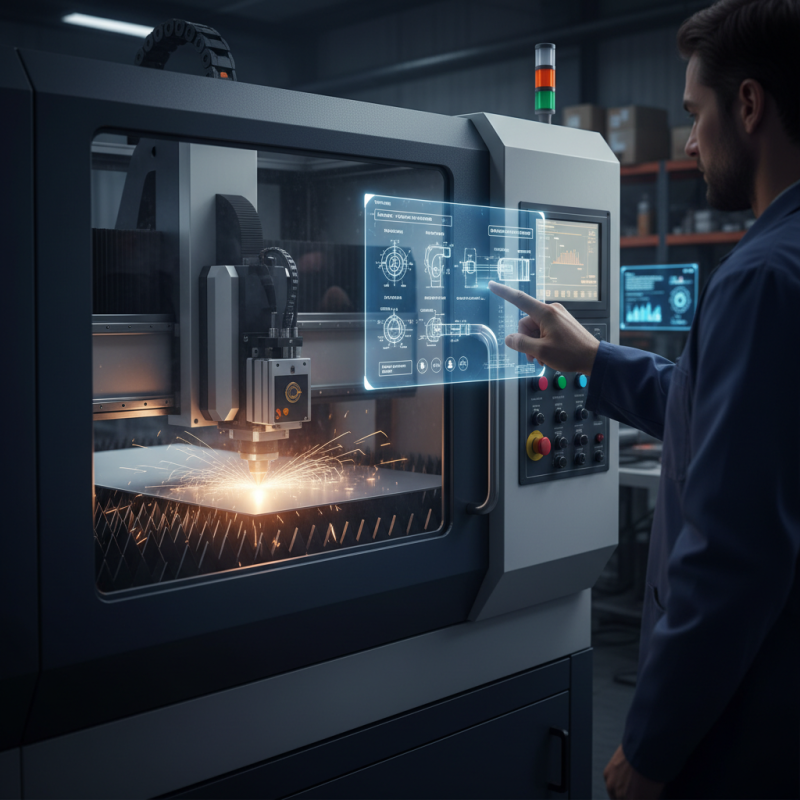
Understanding the Basics of CNC Laser Technology
CNC laser technology is revolutionizing manufacturing. It combines precision and speed, offering significant advantages over traditional methods. According to a report from MarketsandMarkets, the CNC laser market is expected to grow from $3.5 billion in 2020 to $5.5 billion by 2026, reflecting the growing adoption of this technology across various industries.
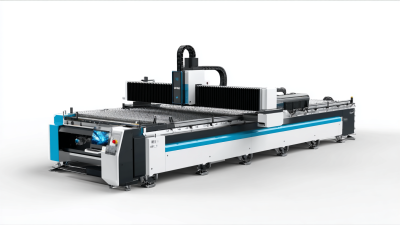
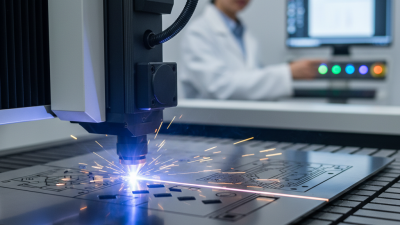
A CNC laser cutter uses a focused beam of light to cut, engrave, or etch materials. This process allows for intricate designs and high precision. The machine can handle various materials, including metals, plastics, and wood. Speed remains a vital factor; some lasers can cut through metal up to 20 times faster than conventional methods. However, choosing the right machine requires careful consideration, such as the material thickness and the complexity of the required designs.
Laser technology does come with challenges. Maintenance and operational costs can accumulate, potentially impacting businesses, especially startups. Additionally, safety concerns arise from high-power lasers. Understanding the machine's capabilities and limitations is essential to maximize efficiency. Balancing the benefits with these challenges is crucial for any business venturing into CNC laser technology.
Identifying Your Business Needs for CNC Laser Cutting
When choosing the right CNC laser for your business, understanding your specific needs is crucial. Factors such as material types and thicknesses will greatly influence your decision. According to a report by Technavio, the global CNC laser cutting market is projected to grow by over $1 billion between 2020 and 2024. This growth underscores the relevance of selecting the appropriate laser machine for various industries.
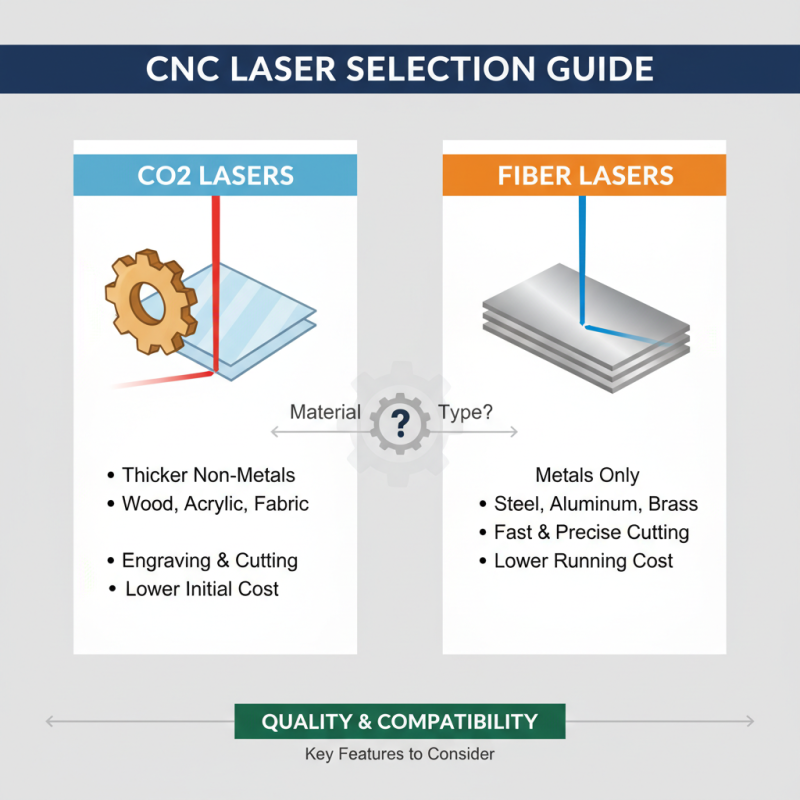
Evaluating the capabilities of different machines is essential. For example, high-capacity lasers are ideal for cutting metal sheets, while lower-powered options may be suited for wood or plastic. A study by Markets and Markets indicates that fiber lasers dominate the market due to their efficiency and processing speed. Yet, many small manufacturers often overlook the importance of maintenance and training. These factors can significantly impact the longevity and performance of the equipment.
Budget constraints can lead to compromises, but careful planning is needed. Investing in a reliable CNC laser will pay off in the long run, despite initial costs. A poorly chosen machine may lead to higher operational costs and reduced productivity. It’s vital to analyze your production volume and specific application requirements thoroughly. Don't rush this decision; reflect on past experiences and future needs.
Evaluating Cost vs. Performance in CNC Laser Options
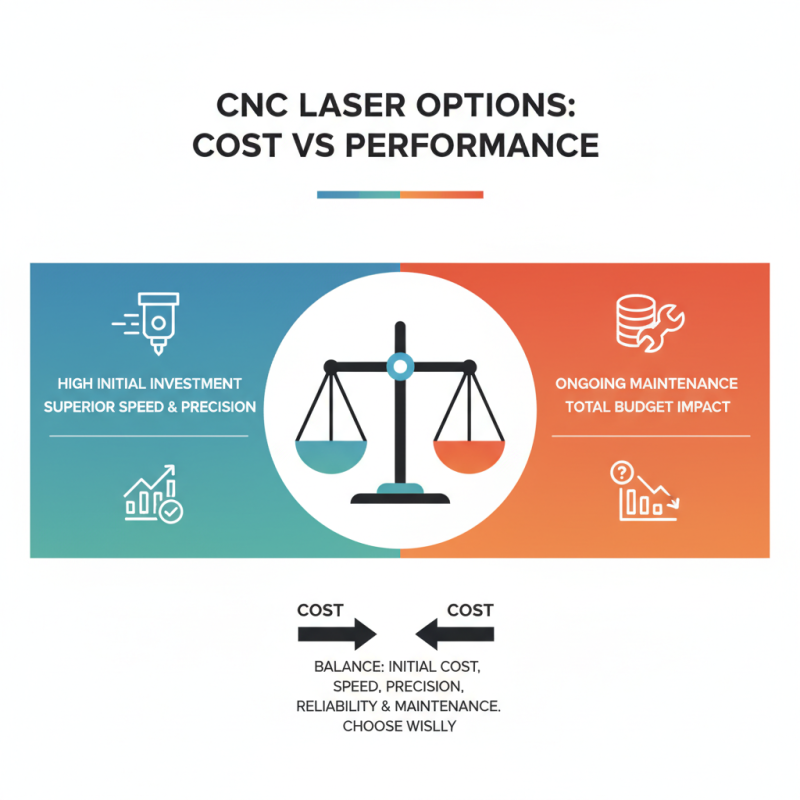
When evaluating CNC laser options, cost and performance often clash. A high initial investment might promise superior cutting speed and precision, but is it worth it? Many businesses overlook ongoing maintenance costs. These can add up quickly, impacting your total budget. A more cost-effective machine may have a slower cutting speed, yet prove to be more reliable over time. It’s important to weigh these factors carefully.
Consider the materials you plan to work with. Heavier or thicker materials may require a more powerful laser, directly influencing cost. Performance specifications, such as wattage or type of laser, can dramatically shift your price point. A lower wattage might save money upfront but could limit production capabilities. Reflect on the long-term needs of your business, as choosing a machine is not merely about the present financial snapshot.
Think about the technology. Advanced features can optimize efficiency but might come with higher costs. Simple machines could suffice, depending on your operational demands. Knowledge sharing with experienced peers can offer insights. Engage with forums or local workshops to gather diverse perspectives. These discussions can illuminate overlooked aspects of cost vs. performance, leading to a well-rounded decision.
Assessing Maintenance and Support for Your CNC Laser Machine
When selecting a CNC laser machine, maintenance and support are critical factors. Regular upkeep ensures optimal performance and extends the machine's lifespan. Potential buyers should evaluate the maintenance requirements of each model. Some lasers might need frequent calibration, while others offer low-maintenance options.
Tips: Look for machines with easy-to-access parts. This makes servicing simpler and can save time. Check for online forums or community support that can provide troubleshooting resources.
Equally important is the manufacturer's support. Research their reputation for customer service. A responsive team can aid in troubleshooting and minimize downtime. Be cautious about companies that lack a solid support framework. A lack of available help can lead to frustration and lost productivity.
Tips: Ask existing users about their experiences with support. Consider the availability of parts and how quickly they can be obtained. It's always wise to have a plan for unexpected issues.
How to Choose the Right CNC Laser for Your Business? - Assessing Maintenance and Support for Your CNC Laser Machine
| Feature |
Importance |
Assessment Criteria |
Frequency of Maintenance |
| Laser Type |
High |
Material Compatibility |
Annually |
| Cooling System |
Medium |
Efficiency |
Quarterly |
| Support and Service |
High |
Response Time |
As Needed |
| Software Compatibility |
Medium |
Ease of Use |
Monthly |
| Warranty |
High |
Coverage Details |
N/A |