Top 10 CNC Fiber Laser Cutting Machines for Precision and Efficiency
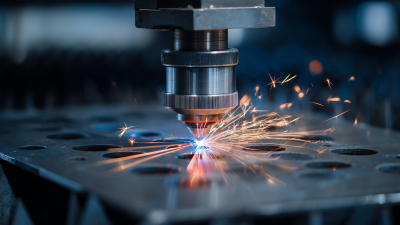
In today's fast-paced manufacturing landscape, the demand for precision and efficiency has never been greater. Among the various technologies available, the CNC fiber laser cutting machine stands out as a revolutionary tool that enhances productivity while ensuring remarkable accuracy in metal and other materials. These machines utilize advanced fiber laser technology, providing a sharp focused beam that allows for clean cuts and minimal waste, making them essential in industries such as automotive, aerospace, and metal fabrication.
As businesses strive to optimize their operations and reduce costs, investing in a top-tier CNC fiber laser cutting machine can significantly elevate performance. This guide will delve into the top 10 CNC fiber laser cutting machines currently on the market, highlighting their impressive features, capabilities, and the advantages they offer over traditional cutting methods. By carefully selecting the right machine, manufacturers can not only improve their overall cutting processes but also achieve superior results that meet the increasing demands of their clients.

Overview of CNC Fiber Laser Cutting Technology
CNC Fiber Laser Cutting technology has revolutionized the manufacturing landscape by providing unmatched precision and efficiency in metal processing. Unlike traditional cutting methods, the use of high-powered laser beams enables the meticulous cutting and shaping of materials. According to industry research, the global cutting equipment market is projected to reach USD 7.6 billion by 2032, indicating robust growth driven by advancements in manufacturing technologies and an increasing demand for precise components across various sectors.
One major benefit of CNC Fiber Laser Cutting is its adaptability; it can handle a range of materials, from thin sheets to thicker metal plates. As sustainable manufacturing practices gain prominence, businesses are increasingly turning to these efficient laser solutions. Additionally, the precision offered by laser cutting leads to reduced material waste, which is a critical factor for companies aiming to minimize their environmental impact.
**Tip:** For businesses considering investing in CNC Fiber Laser Cutting machines, it’s essential to evaluate the specific needs of your production processes to select the right technology that enhances both efficiency and precision. Pay attention to the projected market trends, such as the anticipated growth of the global waterjet cutting machine market, which is expected to reach $1.38 billion by 2033, emphasizing the competitive landscape of cutting technologies.
Key Features of CNC Fiber Laser Cutting Machines
CNC fiber laser cutting machines are known for their precision and efficiency, making them essential in various manufacturing sectors, including the rapidly growing electric vehicle industry. One of the key features that distinguishes these machines is their ability to produce intricate cuts with minimal waste. The high energy density of fiber lasers allows for faster cutting speeds, which significantly enhances productivity and reduces operational costs. Moreover, the automation capabilities integrated into these machines ensure consistency in output quality, vital for maintaining high standards in mass production.
Another important aspect is the versatility of CNC fiber laser cutting machines. They can handle a wide range of materials, including metals and composites, which is especially beneficial in applications where different materials are used. Additionally, advanced software systems enable dynamic adjustments during the cutting process, allowing manufacturers to adapt quickly to design changes while ensuring precision in every cut. This combination of speed, adaptability, and precision positions CNC fiber laser cutting machines as a cornerstone in modern manufacturing practices, particularly in sectors where quality and efficiency are paramount.
Top 10 CNC Fiber Laser Cutting Machines Reviewed
In the competitive realm of manufacturing, precision and efficiency are paramount, particularly in metal processing. CNC fiber laser cutting machines have surged in popularity due to their ability to deliver high-quality cuts with unparalleled speed. According to a recent report by MarketsandMarkets, the global fiber laser market is projected to reach USD 2.5 billion by 2026, highlighting the growing reliance on this technology across various industries, including automotive and aerospace.
When evaluating the top CNC fiber laser cutting machines, key factors such as cutting speed, accuracy, and operational costs come into play. Machines that utilize advanced fiber laser technology are known for their exceptional energy efficiency — consuming up to 30% less energy compared to traditional CO2 lasers. This translates not only to cost savings but also to a reduced carbon footprint, aligning with current sustainability goals in manufacturing. Reports from the Laser Institute of America emphasize that precision cutting can be achieved at tolerances within ±0.1 mm, a crucial requirement for detailed components in high-stakes applications.
Several leading manufacturers have emerged in this sector, offering machines equipped with state-of-the-art features such as automated loading systems and intuitive software interfaces. Their innovations are not only enhancing productivity but also enabling smaller businesses to compete on a larger scale. As the market evolves, staying informed on the latest advancements in CNC fiber laser technology will be vital for businesses aiming to maximize efficiency and maintain their competitive edge.
Top 10 CNC Fiber Laser Cutting Machines for Precision and Efficiency
| Model |
Max Cutting Area (mm) |
Laser Power (W) |
Cutting Speed (m/min) |
Precision (mm) |
Weight (kg) |
Price Range ($) |
| Model A |
3000 x 1500 |
1000 |
40 |
0.05 |
1200 |
15,000 - 20,000 |
| Model B |
4000 x 2000 |
1500 |
30 |
0.03 |
1800 |
20,000 - 25,000 |
| Model C |
2500 x 1250 |
2000 |
50 |
0.04 |
1000 |
18,000 - 22,000 |
| Model D |
3000 x 2000 |
1200 |
45 |
0.06 |
1500 |
16,000 - 21,000 |
| Model E |
5000 x 2500 |
1600 |
35 |
0.02 |
2500 |
25,000 - 30,000 |
| Model F |
2000 x 1000 |
1000 |
60 |
0.05 |
900 |
12,000 - 15,000 |
| Model G |
3500 x 1700 |
3000 |
55 |
0.03 |
2000 |
22,000 - 28,000 |
| Model H |
4500 x 2000 |
3500 |
25 |
0.04 |
3000 |
30,000 - 35,000 |
| Model I |
3800 x 1600 |
4000 |
20 |
0.02 |
2800 |
28,000 - 33,000 |
| Model J |
3200 x 1400 |
5000 |
65 |
0.01 |
3500 |
35,000 - 40,000 |
Comparison of Efficiency and Precision in Laser Cutting
When evaluating CNC fiber laser cutting machines, efficiency and precision are two critical factors that determine their effectiveness in various applications. Efficiency refers to the speed and productivity of the cutting process, while precision highlights the accuracy of the cuts made. Top-tier machines are designed to minimize downtime and maximize output, with advanced features such as high-speed galvanometer systems and optimized cutting paths. These enhancements allow for faster operations without compromising the quality of the cut, ensuring that businesses can meet demanding production schedules.
To enhance performance, consider these tips: first, regularly maintain the laser cutting machine to prevent any technical issues that could slow down productivity. Second, ensure the settings are calibrated correctly for the material being cut, as inappropriate settings can lead to inefficiencies and subpar results. Lastly, invest in training for operators to maximize their understanding of the machine’s capabilities, which can lead to better precision in cutting and a smoother workflow.
By focusing on both efficiency and precision, companies can increase their competitiveness in the manufacturing sector. Selecting the right CNC fiber laser cutting machine and following best practices in operation will lead to superior results, helping to meet intricate design specifications and tight deadlines.
Applications of CNC Fiber Laser Cutting in Various Industries
The increasing demand for efficient and precision material processing solutions has significantly boosted the
adoption of CNC fiber laser cutting technology across various industries.
According to a recent industry report, the global industrial laser market is expected to grow from
$4.2 billion in 2021 to approximately
$7.5 billion by 2026, reflecting a
compound annual growth rate (CAGR) of around 12.2%.
This surge is largely driven by sectors such as automotive,
aerospace, and electronics,
where the need for high-quality cuts and reduced operational costs are paramount.
In the automotive industry, for instance, fiber laser cutting machines offer
unparalleled precision, allowing manufacturers to produce intricate components with minimal waste.
A report indicates that the automotive segment accounts for over 30% of the total market share
for laser cutting technologies. Similarly, in aerospace, where safety and
accuracy are critical, the ability to achieve tight tolerances has made fiber lasers the preferred choice
for cutting complex materials. As businesses continue to prioritize efficiency and quality, the integration of
CNC fiber laser cutting systems is expected to play a crucial role in
enhancing production capabilities and meeting the stringent demands of modern manufacturing.