What is a CNC Laser Cutter and How Does it Work for Your Projects
The rapid advancement of technology has ushered in a new era for manufacturing and fabrication. Among these innovations, the CNC laser cutter stands out as a transformative tool revolutionizing various industries. According to a recent report by Markets and Markets, the global CNC laser cutting machine market is expected to reach $4.9 billion by 2025, driven by the increasing demand for precision and efficiency in cutting processes. This trend highlights the pivotal role that CNC laser cutters play in enhancing productivity and reducing waste, making them indispensable for modern projects across sectors such as automotive, aerospace, and custom fabrication.
Industry expert Dr. Emily Chen, a leading figure in laser technology, emphasizes the importance of CNC laser cutters in today's manufacturing landscape. She states, “The versatility and accuracy of CNC laser cutters not only allow for intricate designs but also significantly reduce the time from concept to production.” This sentiment reflects the growing recognition of CNC laser technology as a critical asset for businesses striving to remain competitive in an ever-evolving market. By understanding how CNC laser cutters function and their applications, professionals can leverage this technology to optimize their projects and drive innovation in their operations.

What is a CNC Laser Cutter and Its Role in Modern Manufacturing
A CNC laser cutter has become an indispensable tool in modern manufacturing, leveraging advanced technology to enhance precision and efficiency. According to a report by MarketsandMarkets, the global CNC laser cutting machine market is projected to grow from $4.21 billion in 2021 to $6.39 billion by 2026, at a compound annual growth rate (CAGR) of 8.68%. This growth is driven by the increasing demand for automation in manufacturing processes, allowing industries to reduce waste and improve production rates significantly.
The role of CNC laser cutters extends across various sectors, including automotive, aerospace, and textiles. With capabilities to cut, engrave, and mark materials such as metal, wood, and plastics, these machines can execute complex designs that would be difficult to achieve with traditional machining methods. The flexibility of CNC technology also enables manufacturers to adjust their designs swiftly, responding agilely to market demands. A survey by the International Laser Institute found that over 60% of manufacturers who adopted CNC laser cutting reported a decrease in labor costs and an increase in overall productivity, validating its importance in competitive manufacturing landscapes.
Key Components of a CNC Laser Cutting System and Their Functions
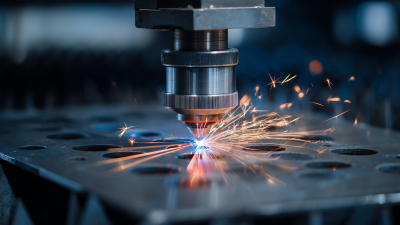
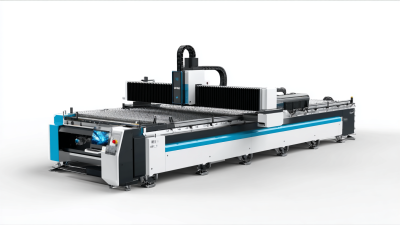
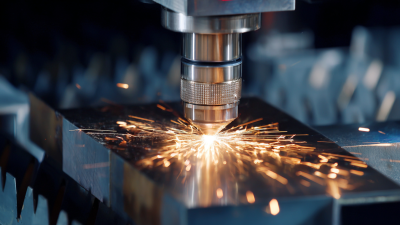
A CNC laser cutter is a sophisticated tool that utilizes a high-powered laser beam to cut, engrave, or mark various materials with precision. The system's effectiveness lies in its key components, each designed to play a critical role in the cutting process. The laser source generates the laser beam, typically using CO2 or fiber technology, which determines the type of materials that can be processed. The focusing lens then concentrates this beam to achieve the desired cut quality and depth, while the motion control system guides the laser head across the material, allowing for intricate designs and patterns to be executed with high accuracy.
According to market research, the global CNC laser cutting machine market is expected to reach USD 4.5 billion by 2025, driven by industries such as automotive and aerospace, which demand high precision and efficiency in manufacturing. These systems also boast significant operational advantages, including minimal material waste and reduced cutting times.
Tips: When choosing a CNC laser cutter, consider the type of materials you plan to work with. For instance, CO2 lasers are ideal for non-metallic materials like wood and acrylic, while fiber lasers excel in cutting metals. Additionally, ensure that the machine's software is user-friendly to facilitate seamless integration into your existing workflow.
How CNC Laser Cutters Enhance Precision in Various Industries
CNC laser cutters have become essential tools across various industries, dramatically enhancing precision in manufacturing processes. These machines utilize focused laser beams to cut, engrave, or etch materials with remarkable accuracy. By controlling the laser's path through computer numerical control (CNC), operators can achieve intricate designs and detailed patterns that would be challenging or impossible to replicate with traditional methods. This precision allows manufacturers to optimize material usage and reduce waste, ultimately leading to cost savings and a more sustainable production approach.
In sectors such as automotive, aerospace, and sign-making, the benefits of CNC laser cutting are particularly evident. For instance, in the automotive industry, manufacturers rely on laser cutting to create precise components that meet stringent safety standards. Similarly, in sign-making, the ability to create detailed signage with sharp edges and complex designs enhances aesthetic appeal and functionality. Overall, CNC laser cutters not only improve accuracy but also contribute to faster turnaround times, allowing businesses to respond swiftly to market demands and enhance their competitive edge.
What is a CNC Laser Cutter and How Does it Work for Your Projects - How CNC Laser Cutters Enhance Precision in Various Industries
| Industry |
Application |
Materials Used |
Precision Level |
Benefits |
| Aerospace |
Part fabrication and prototyping |
Aluminum, titanium |
±0.01 mm |
High accuracy, reduced waste |
| Automotive |
Cutting and engraving components |
Steel, plastics |
±0.05 mm |
Speed, flexibility in design |
| Manufacturing |
Sheet metal processing |
Stainless steel, copper |
±0.02 mm |
Consistency, lower labor costs |
| Signage |
Creating custom signs |
Acrylic, wood |
±0.1 mm |
High detail, quick turnaround |
| Arts and Crafts |
Personalized products and decorations |
Cardstock, plywood |
±0.1 mm |
Creativity, low setup cost |
Comparative Analysis of CNC Laser Cutting vs. Traditional Cutting Methods
CNC laser cutting has emerged as a sophisticated alternative to traditional cutting methods, offering precision and efficiency that many industries are seeking. In a comparative analysis, CNC laser cutters provide significant advantages over plasma cutting and mechanical methods. For instance, while traditional plasma cutting can potentially produce rough edges and require extensive finishing, CNC laser cutting accomplishes clean and precise cuts, reducing the need for secondary processes. According to market forecasts, the global plasma cutting machine market is expected to expand significantly due to increased demand for automation and precision across various sectors.
Tips: When selecting a cutting method for your projects, consider the material and desired finish. CNC laser cutters excel with materials such as acrylic and metal, delivering superior results with intricate designs. Additionally, keep in mind the implications of the manufacturing process on performance metrics; for instance, as seen in research on planar antennas, the chosen method can greatly affect overall efficiency and effectiveness.
Moreover, the global market for fabric cutting machines is projected to grow from USD 3.847 billion in 2025 to USD 6.954 billion by 2035, highlighting a growing trend toward automated cutting solutions. As businesses increasingly prioritize speed and accuracy, CNC technology is likely to maintain its trajectory as the preferred choice, ensuring competitive advantages in demanding manufacturing environments.

Industry Statistics on Efficiency and Cost Savings from CNC Laser Cutting Technologies
CNC laser cutting technologies have become increasingly popular across various industries due to their remarkable efficiency and cost-saving benefits. According to recent industry statistics, companies utilizing CNC laser cutters report significant reductions in production times, often decreasing fabrication processes by up to 50%. This advancement allows businesses to respond more quickly to market demands, fostering a competitive edge in an ever-evolving landscape.

Additionally, the precision offered by CNC laser cutting minimizes material wastage, leading to further cost savings. Studies show that businesses can cut material costs by an average of 25% when they transition to laser cutting methods compared to traditional cutting techniques. The ability to produce intricate designs with high accuracy not only enhances the quality of the final products but also reduces the need for extensive post-processing, making it an economically viable option for manufacturers. As the technology continues to advance, the implications for efficiency and cost management in production processes are profound, setting a new standard in manufacturing practices.