What to Know About CNC Laser Cutting Machines for Buyers?
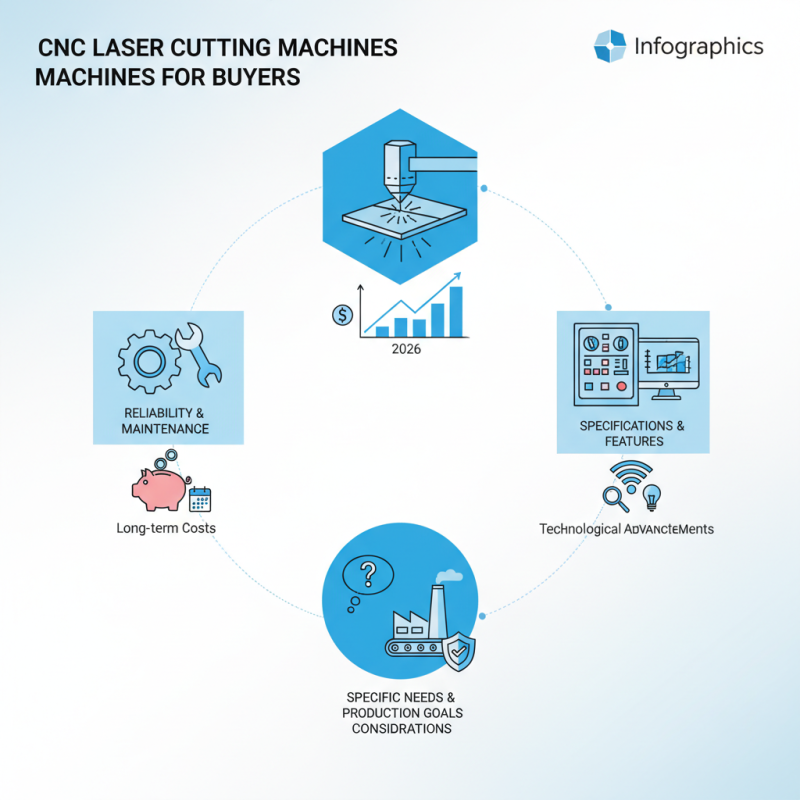
CNC laser cutting machines have transformed manufacturing across various industries. According to recent market reports, the global CNC laser cutting machine market is expected to reach $7.1 billion by 2026, growing steadily due to increased demand for precision and efficiency. These machines use focused laser beams to cut materials like metals, plastics, and wood with exceptional accuracy.
Investing in a CNC laser cutting machine can enhance production capabilities. However, potential buyers should be cautious. While the technology promises high performance, not all machines meet the same standards. Reliability and maintenance are critical factors. Some buyers may overlook the long-term costs associated with upkeep and parts replacement.
Understanding the specifications and features of CNC laser cutting machines is essential. Factors such as power output, cutting speed, and software compatibility can significantly affect performance. As the industry evolves, staying informed about advancements is vital. Buyers must reflect on their specific needs, ensuring they choose a machine that aligns with their production goals while considering the challenges that come with this advanced technology.
Understanding CNC Laser Cutting Machines: Key Concepts for Buyers
CNC laser cutting machines have transformed modern manufacturing. Buyers should grasp essential concepts before making a purchase. These machines utilize a focused laser beam to cut through materials with high precision and speed. The process depends on various factors such as material type, thickness, and laser power.
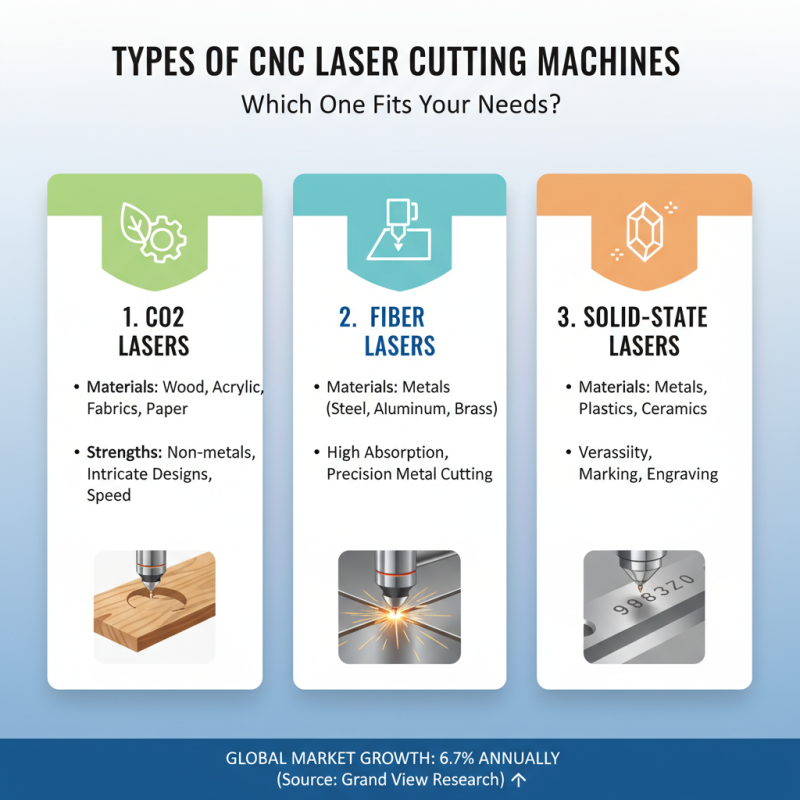
One key element is understanding the different types of lasers used. CO2 lasers are popular for cutting non-metal materials like wood and acrylic. Fiber lasers excel in cutting metals like steel and aluminum. Each laser type has its strengths and weaknesses. Buyers must consider what materials they will work with most often.
Additionally, users should be aware of the importance of software compatibility. The cutting machine must support various design files. Many buyers overlook this detail, leading to a frustrating user experience. It's vital to research and ensure the machine can integrate smoothly with existing workflows. Proper training and knowledge about machine maintenance can also improve efficiency and quality in production.
Understanding CNC Laser Cutting Machines: Key Features and Usage
Types of CNC Laser Cutting Machines: Which One Fits Your Needs?
When exploring CNC laser cutting machines, understanding the types available is crucial for making an informed choice. These machines generally fall into three main categories: CO2 lasers, fiber lasers, and solid-state lasers. Each type has its unique strengths and applications. For instance, CO2 lasers are excellent for cutting non-metal materials like wood and acrylic. They can achieve intricate designs quickly. Fiber lasers, on the other hand, are preferred for metal cutting, boasting a higher absorption rate. According to a report by Grand View Research, the global laser cutting machine market is projected to grow by 6.7% annually, reflecting the increasing demand for precision and efficiency in manufacturing.
Choosing the right CNC laser machine involves assessing your specific needs. If you are focused on cutting thin metals or achieving high precision, fiber lasers may fit best. They excel in speed and performance, but their price can be a barrier. CO2 lasers are more versatile and lower in cost but may not meet high-volume metal cutting demands. It’s vital to evaluate your production volume and material types. Many buyers overlook these factors, leading to underutilization of hardware.
Many businesses are still adapting to CNC capabilities. Transitioning from traditional methods can be challenging. Training staff and integrating systems require time and resources. Understanding operational limitations is key. The choice of laser machine should align with your long-term production goals. Conducting thorough research helps mitigate costly mistakes later.
Essential Features to Look for When Buying a CNC Laser Cutter
When considering a CNC laser cutting machine, certain essential features can greatly influence your purchase decision. Pay attention to the machine's wattage. Higher wattage often translates to faster cutting speeds and the ability to handle thicker materials. Additionally, explore the types of materials the laser cutter can process. Some machines work well with metals, while others excel in cutting wood or acrylic. This detail can determine the versatility of your operations.
Another critical aspect is the software compatibility. A user-friendly interface and robust software support can make a significant difference. Look for machines that offer software with design flexibility and ease of integration. Additionally, consider the machine’s precision and repeatability. A high-quality CNC laser cutter should deliver accurate cuts consistently. Even minor inaccuracies can lead to flawed projects.
Lastly, don't overlook customer support and warranties. Reliable manufacturers should provide comprehensive support and clear warranty terms. Investigating user experiences can give insights into long-term reliability. When investing in a CNC laser cutter, these factors can guide you toward a knowledgeable and confident purchase. Always reflect on your specific needs and industry standards before finalizing your choices.
Cost Factors: Pricing and Budget Considerations for CNC Laser Cutters
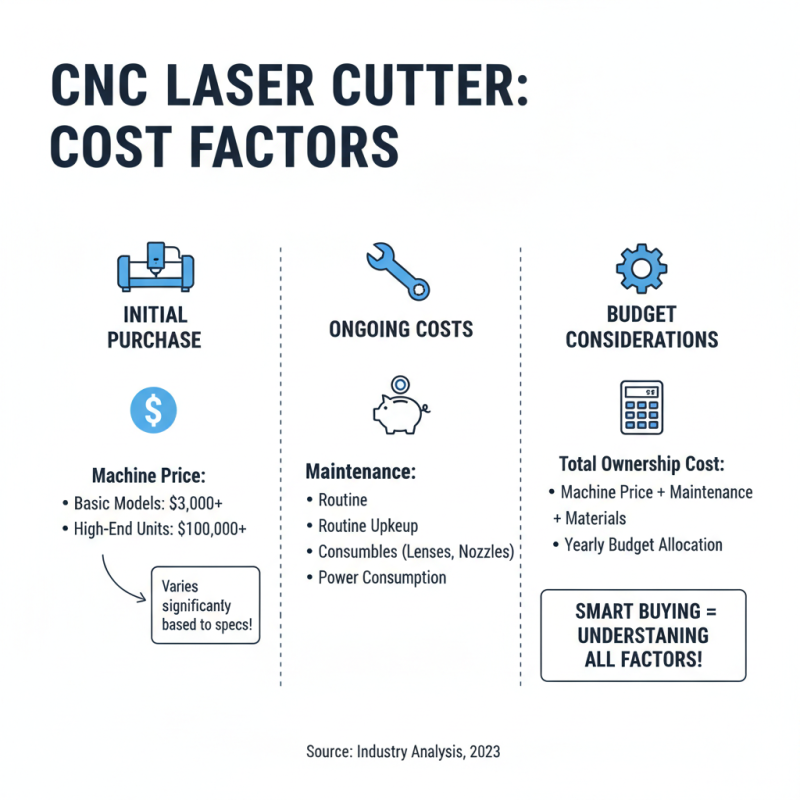
When purchasing CNC laser cutting machines, understanding the cost factors is essential. Initial expenses include the machine's price, which can vary significantly based on specifications. Basic models may start around $3,000, while high-end units can exceed $100,000. Buyers should also consider maintenance costs. Routine upkeep is necessary, and these can add to your yearly budget.
Another factor is the operating cost. This includes electricity consumption and material costs. For instance, operating a CNC laser cutter can consume up to 20 kilowatts per hour. Additionally, the choice of materials impacts overall expenses. Some materials are more affordable, while others are not. You should evaluate the long-term value versus the initial investment.
Training is often overlooked but vital. Skilled operators can improve efficiency and quality. Therefore, factor in costs for training programs. A lack of training may lead to mistakes, resulting in wasted materials or downtime. Ultimately, being thorough in assessing all these expenses can create a more accurate budget for CNC laser cutting projects.
Maintenance and Support: Ensuring Longevity of Your CNC Laser Machine
Maintaining a CNC laser cutting machine is essential for optimal performance and longevity. Regular maintenance checks protect your investment and ensure precision cutting. Operators should frequently clean lenses and mirrors. A clear optical path enhances cutting efficiency and reduces errors. Additionally, checking the alignment of the laser beam prevents costly mistakes.
Another crucial aspect is the cooling system. The machine generates heat during operation, and inadequate cooling can damage components. Regularly inspect coolant levels and clean filters to avoid overheating. Developing a routine maintenance schedule is beneficial. This helps identify potential issues before they escalate, saving time and resources.
**Tips:** Always consult your machine’s manual for specific maintenance tasks. Consider establishing a logbook for maintenance activities. This practice encourages accountability and allows users to track the machine's performance over time. Address any irregular sounds or vibrations immediately. These could indicate underlying problems needing attention.
What to Know About CNC Laser Cutting Machines for Buyers? - Maintenance and Support: Ensuring Longevity of Your CNC Laser Machine
| Component |
Maintenance Schedule |
Common Issues |
Support Type |
Average Lifespan |
| Laser Lens |
Weekly cleaning |
Smoke residue |
Phone Support |
2-3 years |
| Cooling System |
Monthly check |
Overheating |
On-site Support |
5-7 years |
| Drive Motors |
Biannual lubrication |
Failure to move |
Remote Assistance |
8-10 years |
| Power Supply |
Annual inspection |
Voltage fluctuation |
Warranty Service |
5 years |
| Software |
Continuous updates |
Compatibility issues |
Online Forums |
Indefinite with updates |