Essential Tips for Choosing a Fiber Laser Tube Cutting Machine?
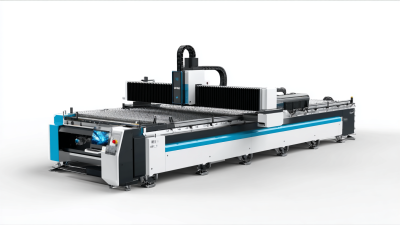
Choosing the right fiber laser tube cutting machine is crucial for precision and efficiency in metal fabrication. Numerous options are available on the market, each with unique features. These machines can significantly enhance production capabilities and reduce operational costs.
When selecting a fiber laser tube cutting machine, consider your specific needs and production volume. Not all machines offer the same performance. Some may excel in speed, while others focus on cutting accuracy or versatility. It’s essential to evaluate these factors based on your manufacturing requirements.
Investing in a fiber laser tube cutting machine can seem daunting. Many brands promise excellent results, but user reviews and expert opinions should guide your decision. Take time to research and even see the machine in action, if possible. This approach ensures you choose a reliable machine that meets your expectations and supports your business growth.
Understanding the Basics of Fiber Laser Tube Cutting Machines
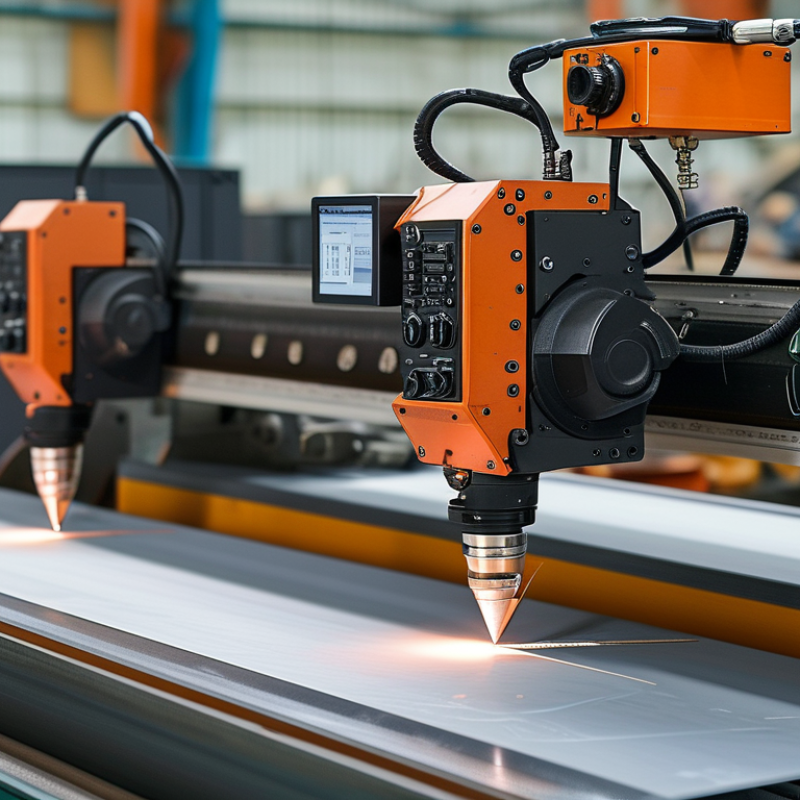
When selecting a fiber laser tube cutting machine, understanding its fundamental features is crucial. Fiber laser technology uses a solid-state laser to cut various metal tubes precisely. This process is faster and more efficient than traditional methods. According to industry reports, the global fiber laser market is expected to grow at a CAGR of 10% from 2021 to 2026. This indicates the increasing reliance on such machines for various applications.
It’s important to consider factors such as cutting speed and power output. Machines with higher wattage generally cut thicker materials faster. Users should pay attention to the material thickness they plan to cut. For example, machines that efficiently handle materials up to 25mm are significantly beneficial in many production scenarios. Reliability is another key factor. Machines with advanced cooling systems tend to have longer lifespans and fewer maintenance issues.
Keeping some practical tips in mind enhances the decision-making process. Assess the machine's versatility. A machine that accommodates various tube sizes can increase efficiency. Understand the level of automation. Semi-automatic machines may require more operator skill but can offer significant operational flexibility. Evaluate the after-sales support from the manufacturer. A reliable service network is invaluable for minimizing downtime.
Key Factors to Consider When Choosing a Machine
Choosing a fiber laser tube cutting machine requires careful consideration of several key factors. Power is one of the most important aspects. Machines typically range from 500W to 4kW. Higher power allows for faster cutting and thicker materials. However, higher power comes with increased costs. Assess the power needs based on the types of projects planned. Weight limits and material variations can affect your choice. Too much power may lead to unnecessary expenses.
The size and type of laser beam are crucial as well. Different beams work better for certain materials. A fiber laser is generally more efficient with metals. It's important to evaluate the machine’s cutting speed and accuracy. You should consider the maximum cutting thickness for various materials, ensuring the machine meets your requirements. Take note of maintenance needs; a machine requiring frequent repairs can slow down productivity and increase downtime.
User interface and software compatibility are often overlooked but essential. A complicated system can lead to errors and frustration. Ease of operation contributes significantly to overall efficiency. You may need to invest time in training operators, adding to the initial setup costs. Reflecting on these factors can help you make a more informed decision about your investment in a fiber laser tube cutting machine.
Evaluating Machine Specifications and Performance
When evaluating a fiber laser tube cutting machine, focus on several key specifications. The cutting speed matters greatly. A machine with high speed can enhance production rates. However, faster speeds can impact the quality of the cuts. Look for a balance that suits your needs.
Consider the power output of the machine. It directly influences the material thickness it can cut effectively. Higher power isn’t always better; it can lead to unnecessary energy costs. Also, check for versatility. A machine that handles various materials will broaden your project capabilities.
Finally, assess the machine's overall reliability. Read reviews and seek expert opinions. However, even the best machines can have issues. Regular maintenance is crucial for long-term efficiency. Identify any potential drawbacks before purchasing. This will save you headaches later on.
Essential Tips for Choosing a Fiber Laser Tube Cutting Machine
| Specification |
Value |
| Laser Power |
1000W - 3000W |
| Cutting Speed |
Up to 60 m/min |
| Maximum Sheet Thickness |
20 mm for steel |
| Table Size |
Up to 4000 mm x 1500 mm |
| Cooling System |
Water Cooling |
| Drive System |
Servo Motors |
| Control Software |
Compatible with DXF and SVG formats |
| Dimensions |
4500 mm x 2500 mm x 2000 mm |
| Weight |
Approx. 3000 kg |
| Warranty Period |
2 years |
Assessing Cost and Value for Your Needs
When assessing the cost and value of a fiber laser tube cutting machine, it’s vital to understand your specific needs. The initial price may seem like the most important factor. However, ongoing costs and potential savings really determine value. Consider the machine’s energy consumption and maintenance needs. These elements can significantly impact your overall budget.
Evaluate the quality of the cut and production speed. A machine that cuts faster and with higher precision can save time and reduce waste. Nevertheless, machines with advanced features often come with higher price tags. Therefore, striking a balance between capability and cost is essential.
Don't overlook after-sales support and warranty offerings. The expertise of the manufacturer can provide peace of mind. Research how long they’ve been in the industry. Newer companies might offer lower costs but lack the reliability. Weigh these details carefully, as they can affect your long-term operational efficiency.
Exploring Maintenance and Support Options for Longevity
When selecting a fiber laser tube cutting machine, maintenance and support options are crucial for longevity. Regular maintenance ensures the machine operates efficiently and extends its lifespan. Establish a routine schedule for checks and adjustments. Consider keeping spare parts on hand for quick replacements. This avoids costly downtimes that can disrupt production.
Support options from the manufacturer add another layer of reliability. A responsive support team can help troubleshoot issues promptly. Training your staff on maintenance basics can prevent minor issues from escalating. However, not every support experience is smooth. Some users encounter delays or insufficient guidance. This can lead to frustration and missed deadlines. Engaging with a community of users can provide additional insights and shared experiences.
Over time, it's essential to reassess the maintenance strategy. As technologies evolve, new practices may emerge. Staying informed about the latest trends can enhance machine performance. Regular reflection on your processes can identify areas needing improvement. Adapting to changes ensures that the machine remains a valuable investment for your operations.
Essential Tips for Choosing a Fiber Laser Tube Cutting Machine
This chart illustrates essential performance metrics to consider when selecting a fiber laser tube cutting machine. Key factors include power, cutting speed, maintenance frequency, and material versatility, which significantly influence the machine's effectiveness and longevity.