10 Essential Tips for Using a Fiber Laser CNC Machine Effectively?
In the rapidly evolving landscape of manufacturing, the fiber laser CNC machine has emerged as a game-changer. Experts like Dr. Emily Carter, a leading authority in laser technologies, emphasizes, "Maximizing efficiency with a fiber laser CNC machine requires knowledge and precision." Her insights underscore the need for effective techniques in leveraging this advanced technology.
The fiber laser CNC machine combines speed and accuracy in cutting and engraving tasks. However, many users overlook the intricacies of operation. Mistakes often lead to wasted material and time. For instance, not calibrating the machine properly can result in subpar cuts and increased costs. It's essential to understand each setting and parameter.
Navigating this technology is not always straightforward. Operators may face challenges, from inconsistent results to troubleshooting errors. Mastering a fiber laser CNC machine takes patience and practice. Users should continually seek to refine their approach. By doing so, they can unlock the true potential of this powerful tool.
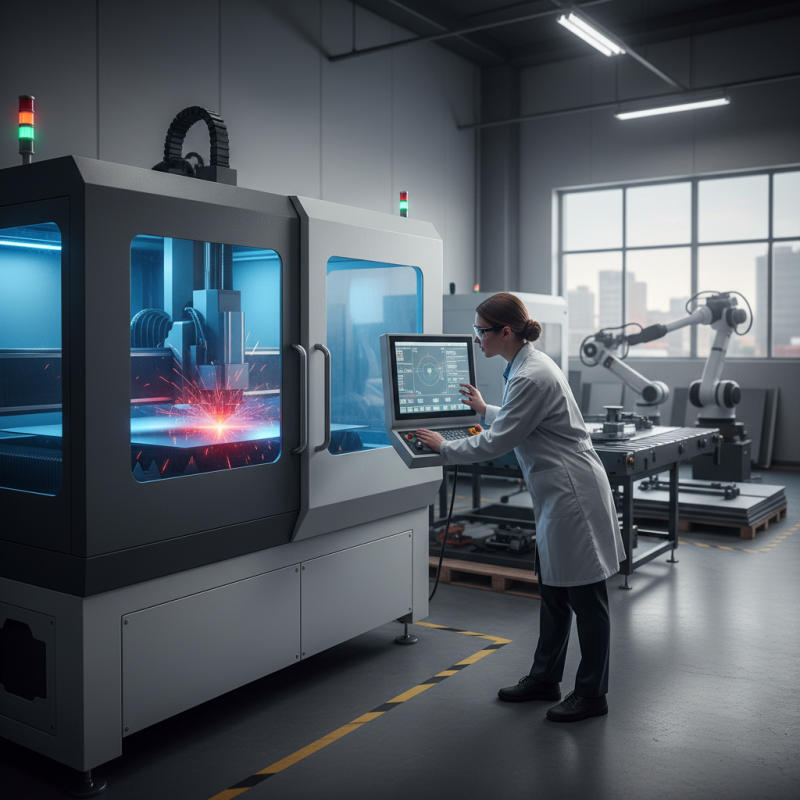
Understanding Fiber Laser Technology and Its Applications in CNC Machines
Fiber laser technology has transformed the CNC machine landscape. Unlike traditional lasers, fiber lasers rely on optical fibers doped with rare-earth elements. This difference makes fiber lasers more efficient and cost-effective. Reports indicate that fiber laser systems can achieve efficiency rates exceeding 30%. This efficiency translates to less energy consumption and lower operational costs.
CNC machines utilizing fiber laser technology excel in various materials. They can cut and engrave metals, plastics, and even fabrics with precision. Industry studies highlight that fiber lasers offer a material removal rate double that of CO2 lasers in metals. However, users sometimes overlook the settings for different materials. Selecting incorrect power and speed settings can lead to burns or incomplete cuts.
Maintenance remains a common challenge for operators. Dust and debris can accumulate quickly, affecting performance. Regular cleaning of lenses is crucial for optimal operation. Additionally, improper training on these machines leads to costly mistakes. Operators need refreshers on best practices to ensure safety and efficiency. As fiber laser technology evolves, continuous education will become even more vital.
Key Maintenance Practices for Optimal Performance of Fiber Laser CNCs
Maintaining a fiber laser CNC machine is crucial for its performance. Regular maintenance can enhance efficiency and longevity. According to a recent industry report, poorly maintained machines can lose up to 25% of their cutting quality over time. Checking optics, for instance, helps maintain the beam quality. Dust accumulation can scatter the beam, reducing precision.
Another essential practice is monitoring coolant levels. Insufficient coolant can lead to overheating, affecting both the machine and the material being processed. Daily checks are ideal, but many operators neglect this crucial step. Studies show that machines operating at optimal temperatures can cut with up to 15% more speed.
A critical area often overlooked is software updates. Running outdated software can limit the machine's capabilities. Some operators feel confident using existing setups. However, the latest software versions can significantly upgrade performance and usability. Recognize that routine maintenance isn’t just about hardware; it also includes software enhancements. A proactive approach not only improves efficiency but also saves costs from unexpected breakdowns.
Optimal Cutting Parameters: Speed, Power, and Frequency for Different Materials
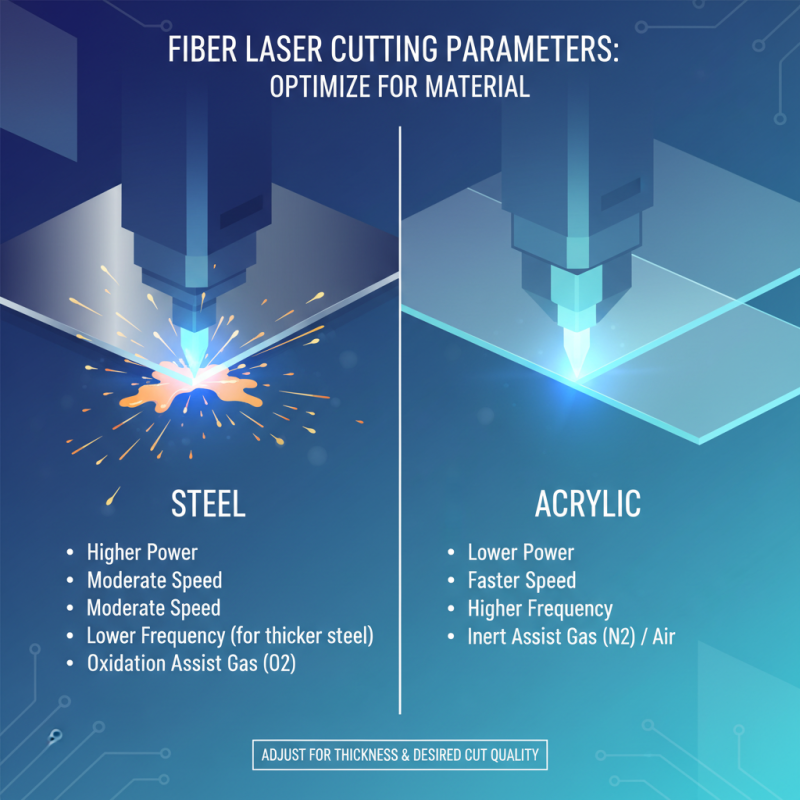
Choosing the right cutting parameters is crucial for maximizing the efficiency of a fiber laser CNC machine. Speed, power, and frequency must be adjusted based on the material used. For instance, cutting steel requires a different approach compared to acrylic. Steel typically benefits from higher power settings, while acrylic can cut cleanly with lower power and faster speeds.
Many operators underestimate the importance of frequency. The wrong frequency can lead to poor quality cuts or increased material waste. Lower frequency settings are often best for thicker materials. However, fine-tuning is essential. A little experimentation can go a long way. Over time, you might find that what works well for one job fails in another.
It's easy to overlook these parameters when under pressure. Mistakes may lead to rough edges or excessive heat, which can warp the material. Regular maintenance of the machine can help minimize such issues. Collecting data after each job also aids in refining the process. Monitoring outcomes allows for better adjustments in the future.
Safety Protocols: Protecting Operators and Equipment during CNC Operation
When operating a fiber laser CNC machine, safety is paramount. Operators must wear protective gear, including safety glasses and gloves, to shield against potential laser exposure and metal debris. A clear workspace reduces risks significantly. Proper ventilation is essential. Fumes and smoke from cutting materials can be hazardous. Regularly check air filters to ensure a safe working environment.
Training is critical. Operators should understand the machine’s controls and emergency shut-off procedures. Inexperienced users may overlook safety protocols. Each operator must recognize the dangers of high-frequency laser use. It’s a learning curve; mistakes will happen. Analyze incidents to improve safety practices. Always maintain equipment. A well-maintained machine reduces malfunctions and operator risks. Regular inspections can prevent accidents that result from wear and tear. Prioritize safety as a shared responsibility among all team members.
Material Selection and Its Impact on the Efficiency of Fiber Laser Cutting
When using a fiber laser CNC machine, material selection is crucial. Different materials react uniquely to the laser. For example, metals like stainless steel absorb heat more efficiently than aluminum. This can affect cut quality and speed. If the wrong materials are chosen, you might face excessive burning or incomplete cuts. This not only wastes time but can also damage the machine.
Thickness also plays a significant role. Thin materials may cut easily but can warp under high power settings. On the other hand, thick metals require more power, which can lead to slower cutting speeds. This mismatch can be frustrating and requires adjustments. It's essential to understand the materials you’re working with, including their melting points and thermal properties.
Testing different materials helps identify the best settings. This trial and error approach takes time and can lead to unexpected results. You might think a specific setting will work, but you’ll discover inconsistencies. Keeping track of what works and what doesn’t allows for better consistency in future projects. This deliberate practice can enhance skill and improve overall efficiency.
Material Impact on Fiber Laser Cutting Efficiency