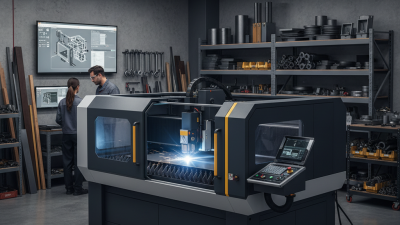
Top Benefits of Fiber Laser Tube Cutting Machines for Precision Engineering?
The fiber laser tube cutting machine has revolutionized the precision engineering landscape. According to a recent industry report by MarketsandMarkets, the fiber laser market is expected to reach $5.9 billion by 2026, growing at a CAGR of over 7%. This growth mirrors the increasing demand for high precision and efficiency in various engineering applications.
Fiber laser technology offers unmatched accuracy when cutting metal tubes. It generates a finer laser beam compared to traditional cutting methods. This precision leads to cleaner edges and minimal heat-affected zones, reducing the need for post-processing. As a result, fabricators experience significant time and cost savings. However, some companies may struggle to adapt to this advanced technology or face initial investment challenges.
While the advantages are evident, not every operation may benefit equally. The integration of a fiber laser tube cutting machine requires skilled operators and a solid maintenance plan. Companies must weigh these factors against their production needs. Overall, when implemented effectively, the benefits can vastly outweigh the challenges, leading to enhanced productivity and competitiveness in the precision engineering field.
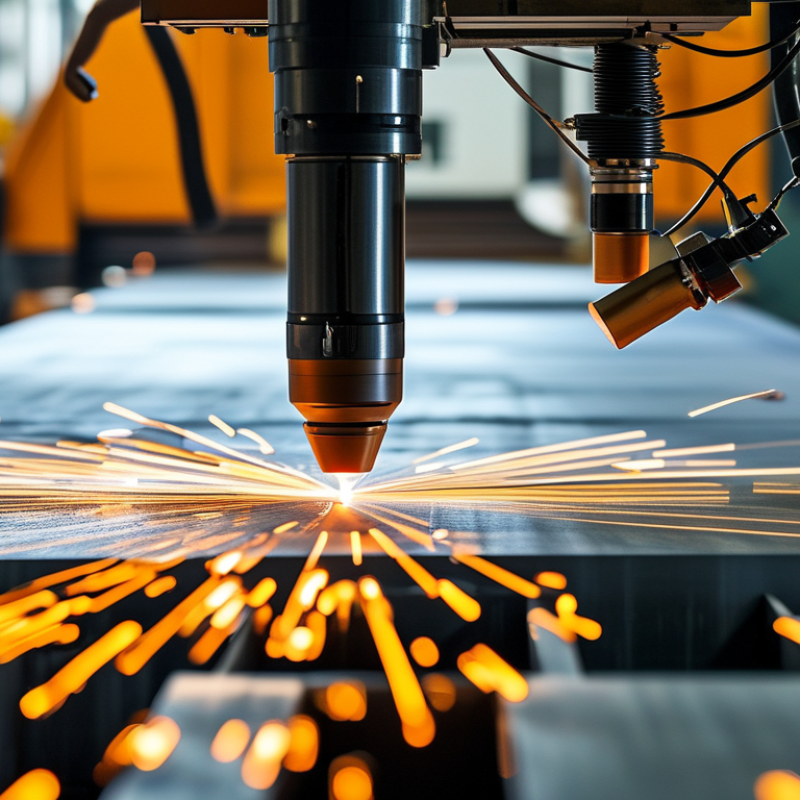
Overview of Fiber Laser Tube Cutting Machines in Precision Engineering
Fiber laser tube cutting machines are revolutionary tools in precision engineering. These technologies allow for highly accurate cuts, which is essential for creating intricate designs. The ability to focus the laser beam results in clean edges and minimal material wastage. This efficiency is increasingly important as industries push for sustainability.
Precision engineering often requires that every detail is executed perfectly. In traditional cutting methods, imperfections can occur. However, fiber lasers minimize these issues. These machines also work with various materials, which adds to their versatility. Despite their advantages, they require skilled operators to maximize their potential. Ongoing training can be a struggle for some businesses.
Moreover, fiber laser machines can be expensive to maintain. Regular servicing is necessary to ensure optimal performance. This can be a concern for smaller companies. They may question if the investment is worth the benefits. Understanding the long-term advantages of fiber lasers is crucial for informed decision-making. Overall, these machines represent a significant leap in precision engineering, but they come with challenges that need careful consideration.
Top Benefits of Fiber Laser Tube Cutting Machines for Precision Engineering
| Benefit |
Description |
Impact on Precision Engineering |
| High Precision Cutting |
Fiber laser tube cutting machines provide highly accurate cuts with minimal thermal distortion. |
Ensures tight tolerances and superior quality in engineering components. |
| Versatility |
Able to cut a wide range of materials including steel, stainless steel, and aluminum. |
Increases the variety of projects and applications engineers can undertake. |
| Speed and Efficiency |
Faster cutting speeds compared to traditional cutting methods, reducing production time. |
Enhances overall productivity, allowing for quicker turnaround times on projects. |
| Reduced Material Waste |
Precision cutting leads to less scrap material and better use of raw materials. |
Cost-effective and environmentally friendly manufacturing process. |
| Lower Operational Costs |
Fiber lasers typically have lower energy consumption and maintenance costs. |
Contributes to reduced overhead costs and improved profit margins for manufacturers. |
Key Advantages of Fiber Laser Technology for Tube Cutting Processes
Fiber laser technology offers several key advantages for tube cutting processes. This advanced method enables precise cutting with minimal heat affected zones. The result is cleaner cuts and reduced distortion. The ability to easily adjust parameters leads to a level of flexibility not often seen in traditional cutting methods.
The speed of fiber laser cutting is noteworthy. It can cut through various materials quickly and accurately. This efficiency not only saves time but also lowers operational costs. Operators can work on complex shapes and intricate designs with ease. However, some drawbacks exist when programming these machines; expertise is crucial to avoid errors.
In terms of maintenance, fiber lasers require less upkeep compared to their CO2 counterparts. The longevity of the fiber laser's components typically leads to decreased downtime. Regular training for staff is still essential. Proper understanding of machine capabilities and limitations enhances safety and productivity. Investing in this technology seems promising.
Precision and Accuracy in Tube Cutting with Fiber Lasers
Fiber laser tube cutting machines
have transformed precision engineering significantly. Their ability to deliver high precision makes them ideal for various industries. The sharp focus of a fiber laser allows for intricate designs and tight tolerances. This means that engineers can create complex geometries without compromising on accuracy. The process minimizes material waste, which is vital in cost-sensitive projects.
Moreover, the speed of fiber laser cutting is remarkable. Parts can be produced rapidly while maintaining precision. This quick turnaround can enhance productivity and meet tight deadlines. However, operators must be well-trained to maximize these machines' capabilities. Mistakes in setup can lead to errors, highlighting the need for careful planning.
Reliability is another critical aspect. Fiber lasers require maintenance, and neglect can affect performance. Regular checks and calibration are necessary to uphold accuracy. While these machines offer great benefits, understanding their limitations is crucial. Ultimately, achieving optimal results in tube cutting hinges on combining advanced technology with skilled human oversight.
Cost Efficiency and Time Savings in Manufacturing with Fiber Lasers
Fiber laser tube cutting machines are transforming precision engineering. Their ability to deliver high-quality cuts is one of the key advantages. This technology minimizes waste and maximizes material efficiency. Manufacturers find themselves spending less on raw materials. A precise cut today means fewer errors tomorrow.
Cost efficiency is not just about materials. Time savings play a crucial role too. Laser machines often reduce the cutting time significantly. This allows manufacturers to increase their output. Faster production can lead to better profit margins. The capability to switch between different tube sizes and materials effortlessly is also noteworthy. However, adapting to new technologies can be a challenge for some.
While the benefits are clear, there are considerations. Initial investments can be steep. Training staff to operate these machines safely is essential. Ensuring reliable maintenance is another aspect to ponder. With these factors in mind, industries must align their budgets and workforce capabilities. The potential for cost savings is substantial, but it’s essential to navigate the complexities involved.
Versatility and Applications of Fiber Laser Tube Cutting in Industries
Fiber laser tube cutting is gaining traction across various industries due to its versatility. These machines excel in cutting complex shapes in materials such as steel, aluminum, and copper. A 2022 industry report highlighted a 25% increase in the adoption of fiber laser technology, showcasing its growing importance in manufacturing processes.
In the automotive industry, fiber laser tube cutting improves production efficiency significantly. It allows for precise cuts in tubular structures, which are essential for modern vehicle designs. Moreover, a study indicated that companies utilizing these machines reduced scrap material by up to 30%. This reduction not only saves costs but also minimizes environmental impact, aligning with sustainable manufacturing goals.
While fiber laser technology offers remarkable efficiency, there are noted limitations to consider. For instance, setting up the machines often requires specialized training. Additionally, operators must remain vigilant about maintenance for optimal performance. Without regular care, the quality of cuts can degrade, leading to increased waste. Balancing these factors is crucial for companies looking to harness the full potential of fiber laser tube cutting.