Top Hydraulic Straightener Buying Guide for Global Buyers?
In the modern manufacturing landscape, choosing the right Hydraulic Straightener is crucial for operational efficiency. A well-informed decision can significantly enhance production quality. According to a report by Market Research Future, the global hydraulic straightener market is projected to grow at a CAGR of 5.2% from 2023 to 2030. This trend indicates increasing investment in precision machinery across various sectors.
Hydraulic Straighteners are essential for achieving flatness in processed materials. Industries, such as automotive and construction, rely heavily on this technology. The demand for high-performance straighteners reflects ongoing advancements in material processing. However, with numerous options available, buyers may face challenges in selecting the right equipment. They need to consider factors like machine durability, ease of operation, and maintenance requirements.
Purchasing a Hydraulic Straightener involves a calculated evaluation of specific needs. Buyers should aim for machinery that enhances productivity while ensuring consistent performance. Engaging with trusted suppliers and utilizing expert reviews can mitigate risks involved in the selection process. This approach fosters confidence in their investment, leading to sustainable growth in their production capabilities.
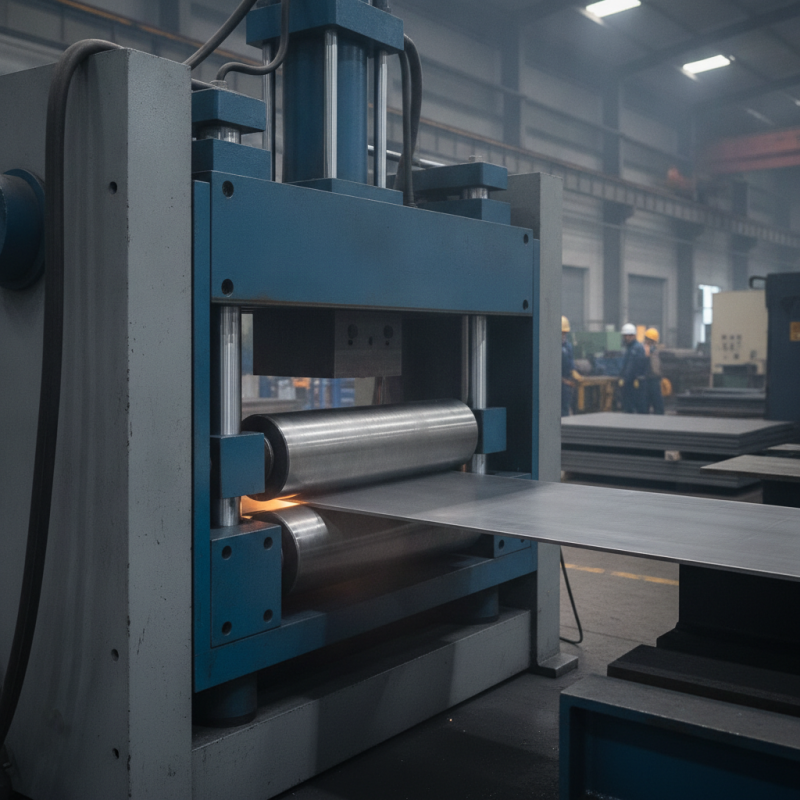
Understanding Hydraulic Straighteners: Basic Principles and Functionality
Hydraulic straighteners play a critical role in metal processing. They are designed to correct distortions and bends in various materials. Understanding how they work can enhance their utility in manufacturing. These machines apply significant pressure through hydraulic cylinders to achieve accurate straightening. The basic principle involves the use of hydraulic fluid to create force, which bends the metal back to its original form.
Industry reports suggest that over 30% of manufacturing defects come from material distortions. This statistic highlights the importance of high-quality hydraulic straighteners. They significantly reduce waste and improve the final product's quality. Operators must familiarize themselves with settings and pressure adjustments to maximize efficiency. Regular maintenance is also vital to ensure consistent performance and longevity.
Yet, users often overlook the importance of machine calibration. Inaccurate settings can lead to further deformities instead of corrections. Observations have shown that operators need training to handle these complex machines properly. Relying solely on automated controls may not yield the best results. Continuous learning and an understanding of basic mechanics can make a significant difference in outcomes.
Key Features to Consider When Buying Hydraulic Straighteners
When purchasing hydraulic straighteners, several key features come into play. One critical aspect is the capacity of the machine. Ensure it can handle the thickness and width of the materials. A straightener with a limited range may not suffice for diverse projects. Metrics like the bending tolerance should also be closely examined. A machine that offers precise control will reduce the need for reworking.
Another important consideration is the ease of use and maintenance. An intuitive interface makes operation smoother. Machines that require frequent calibration can become frustrating. Look for options that provide clear instructions and excellent support resources. This reflects the manufacturer's commitment to usability and longevity.
Power source and efficiency are additional factors to keep in mind. Hydraulic systems can vary significantly in energy consumption. A more efficient model might cost more upfront but save money in the long run. Pay attention to energy ratings and operating costs. Balancing investment with operational efficiency is essential for minimizing surprises later on.
Hydraulic Straightener Features Comparison
Comparative Analysis of Hydraulic Straighteners from Leading Brands
When exploring hydraulic straighteners, it’s important to assess the features from various leading brands. Understanding their strengths and limitations can provide valuable insights. Each model typically boasts unique specifications. Some prioritize power, while others excel in precision. Buyers should carefully examine these aspects.
These machines are used in metalworking industries. They align and flatten materials, ensuring smooth surfaces. However, efficiency may vary among models. One brand's machine may consume more energy while delivering less force. This aspect is vital for cost efficiency and operational effectiveness. Addressing energy consumption is often overlooked.
Another crucial factor is user experience. Some hydraulic straighteners are easier to operate than others. If a model is complex, training time increases. This introduces additional costs. Newer models might have advanced features but can confuse inexperienced operators. Balancing technology and usability is essential for optimal performance.
Maintenance Tips for Prolonging the Lifespan of Hydraulic Straighteners
Maintaining a hydraulic straightener is essential for its longevity. Regular maintenance can prevent costly repairs. Start by checking fluid levels. Low hydraulic fluid can lead to overheating and mechanical failure. Ensure filters are clean and free from debris. Dirty filters can starve the system of vital lubrication.
Inspecting the hydraulic hoses is another key step. Look for fractures or signs of wear. A faulty hose can cause leaks and reduce efficiency. Additionally, the tightness of bolts and fittings should be monitored. Loose connections can lead to significant issues over time.
Regularly cleaning the exterior helps maintain operational visibility. Dust and grime can hide maintenance issues. Keep a log of all maintenance activities. This can help identify patterns or recurring problems. Reflecting on this data can lead to better decision-making for future repairs. Remember, proactive maintenance is better than reactive fixes.
Cost Factors: Budgeting for a Quality Hydraulic Straightener Purchase
When considering the purchase of a hydraulic straightener, budgeting plays a crucial role. According to industry reports, the cost can vary significantly based on size, capacity, and technology. A basic model may start around $10,000, while high-capacity systems can exceed $100,000. This wide range emphasizes the need for careful financial planning.
Operational costs also impact the budget. Maintenance and repair expenses can amount to 20% of the initial purchase cost annually. Moreover, energy consumption is a hidden cost often overlooked. Efficient models consume less power, potentially saving thousands over time.
It’s vital to weigh these factors against the intended use. For instance, if the production volume is high, investing in a more robust straightener may yield a better return on investment. However, lesser known issues like downtime caused by mechanical failures should not be ignored. Balancing upfront costs with long-term reliability is essential for any buyer.
Top Hydraulic Straightener Buying Guide for Global Buyers
| Feature | Importance Level | Cost Impact (USD) |
| Hydraulic System Type | High | $2000 - $5000 |
| Material Quality | High | $1000 - $3000 |
| Adjustment Mechanism | Medium | $500 - $1500 |
| Brand Reputation | Medium | $700 - $2000 |
| Warranty Period | Low | $200 - $500 |
| Maintenance Requirements | Medium | $300 - $800 |
| Energy Efficiency | High | $1000 - $2500 |