Top Insights on Bare Shaft Ball Valves for Global Buyers
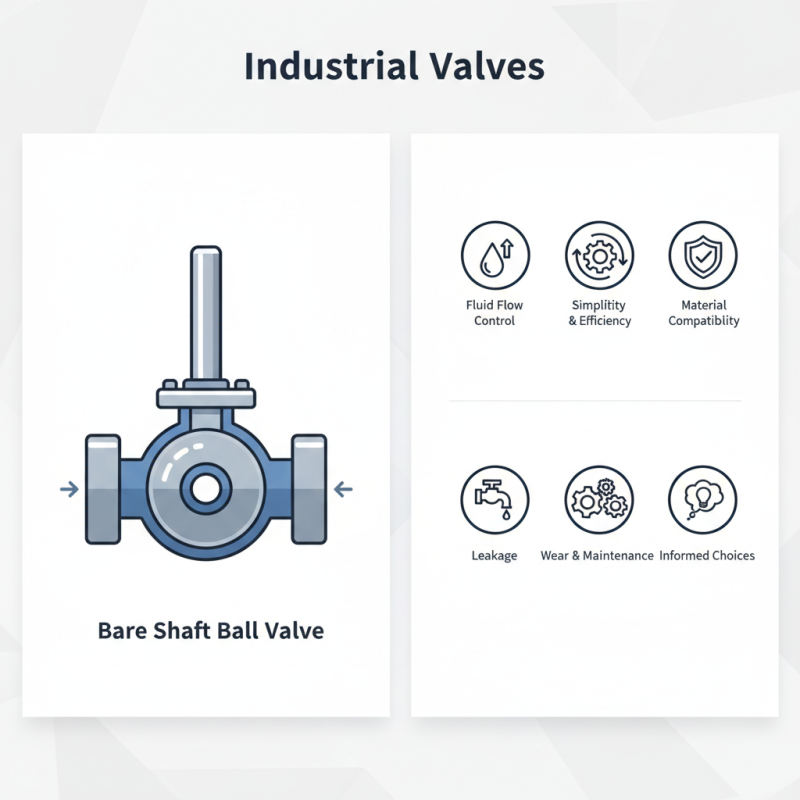
The field of industrial valves is vast and intricate. Among the most specialized components are Bare Shaft Ball Valves. These valves play a crucial role in controlling fluid flow within various systems. Understanding their construction and applications is essential for global buyers.
Bare Shaft Ball Valves are known for their simplicity and efficiency. They consist of a ball that rotates to open or close the flow path. This straightforward mechanism makes them a popular choice for many industries. However, their selection requires careful consideration of certain factors. Buyers need to assess material compatibility and pressure ratings to ensure optimal performance.
Despite their benefits, challenges exist in using Bare Shaft Ball Valves. Issues like leakage and wear can occur if not properly maintained. Buyers must be aware of these potential pitfalls. Gaining insights into these valves enhances decision-making. Ultimately, informed choices lead to improved operational efficiency and safety in various applications.
Understanding Bare Shaft Ball Valves: Key Features and Benefits
Bare shaft ball valves are essential components in various industries. Their design allows for hassle-free maintenance and adaptability. These valves feature a full-bore opening, promoting minimal pressure loss. This characteristic makes them efficient for controlling flow in pipelines.
Key benefits include durability and reliability. Many bare shaft ball valves are made from robust materials like stainless steel. This resilience leads to a longer lifespan, reducing replacement costs. They are also easy to operate. A simple turn of the handle can significantly change the flow.
However, not all valves are created equal. Certain applications may require specific features. Buyers should consider compatibility with their systems. Price can vary widely, depending on features and materials. Researching and comparing options is crucial. This process is vital for making informed decisions.
Top Insights on Bare Shaft Ball Valves for Global Buyers
| Feature | Description | Benefit | Applications |
| Material | Typically made from stainless steel, carbon steel, or plastic. | High corrosion resistance and durability. | Oil & gas, water treatment, chemical processing. |
| Size Range | Available in various sizes from 1/2 inch to 48 inches. | Flexible for different piping systems. | HVAC, plumbing, industrial applications. |
| Pressure Rating | Commonly rated from ANSI Class 150 to 2500. | Suitable for high-pressure applications. | Power generation, oil and gas extraction. |
| Port Design | Options include full port and reduced port designs. | Enhanced flow capacity with full port design. | Used in critical flow applications. |
| Actuation Type | Manual, electric, pneumatic actuation options available. | Automated control for increased efficiency. | Manufacturing, water distribution, energy sector. |
Criteria for Selecting Bare Shaft Ball Valves for Industrial Applications
When selecting bare shaft ball valves for industrial applications, several critical factors come into play. The material of the valve is paramount. High durability materials, such as stainless steel or carbon steel, enhance longevity. Additionally, users should consider the environmental conditions. Extreme temperatures or corrosive substances require specific types of valves to ensure reliability.
Another aspect to evaluate is the valve's diameter and flow capacity. Proper sizing is essential to maintain optimal performance. An oversight here can lead to inefficiencies or system failures. Furthermore, users should prioritize valves with clear maintenance requirements. Complicated maintenance procedures might cause operational downtime.
Finally, understanding certification standards is crucial. Each industry may have different baseline requirements. Lack of compliance could lead to safety risks or legal issues. Buyers must do their research and ensure their chosen valve meets necessary regulations. This careful selection process will lead to better performance and reliability in industrial settings.
Global Market Trends in Bare Shaft Ball Valve Manufacturing
The global market for bare shaft ball valves is witnessing significant shifts. According to a recent IDC report, the industry's growth rate is projected to be around 5.5% annually from 2023 to 2030. This growth is driven by increased global demand for efficient flow control systems, crucial in various sectors such as oil and gas, water management, and power generation.
Manufacturers are innovating to enhance valve performance. For instance, the implementation of advanced materials is pivotal in minimizing wear and tear in valves. However, the frequent changes in regulatory standards pose challenges to manufacturers. Adapting to these standards requires ongoing investment and expertise. Analysts suggest that companies must prioritize R&D to stay competitive. This reflects the ongoing need to navigate a complex market landscape while maintaining product reliability and customer trust.
Moreover, there's a noticeable focus on sustainability. Many companies are exploring eco-friendly production methods, aimed at reducing carbon footprints. However, this transition can be slow. Organizations often struggle to balance cost-efficiency with environmental responsibility. As manufacturers adapt, the demand for reliable and durable bare shaft ball valves remains essential for managing fluid systems effectively in a changing world.
Maintenance and Operational Considerations for Bare Shaft Ball Valves
Bare shaft ball valves are essential components in various industries. They offer efficient control over fluid flow, but their maintenance requires careful planning. Regular inspections are crucial. A lack of attention can lead to leaks or operational failures. These problems can cause downtime and costly repairs.
Consider implementing a routine maintenance schedule. Regular cleaning helps prevent buildup. This can extend the valve's life. Pay attention to the seals and gaskets as well. Replace them if signs of wear appear. A small oversight can lead to larger issues. Always have spare parts available. It minimizes delays during emergencies.
Training staff on proper handling is vital. Misuse can result in damage, leading to costly fixes. Document maintenance activities for compliance and future reference. This practice enhances accountability and transparency. Communication within the maintenance team should be ongoing. Sharing insights can foster a culture of safety and efficiency.
Maintenance and Operational Considerations for Bare Shaft Ball Valves
Comparative Analysis: Bare Shaft Ball Valves vs. Other Valve Types
Bare shaft ball valves offer unique advantages when compared to other valve types, such as gate and globe valves. According to a recent industry report, the global market demand for ball valves is expected to grow at a CAGR of 5.8% from 2023 to 2030. This growth highlights a shift towards efficiency and reliability in fluid control applications.
One significant benefit of bare shaft ball valves is their superior flow characteristics. They provide minimal resistance to flow, which can enhance system efficiency. Data shows that they can reduce pressure drops by up to 30% compared to traditional gate valves. This can translate into lower operating costs and improved energy efficiency for end-users. However, their susceptibility to environmental factors, such as temperature and pressure fluctuations, requires careful consideration.
In applications where quick and reliable shut-off is necessary, bare shaft designs are often preferred. For instance, they can achieve a full closure with just a quarter turn. On the other hand, globe valves can take several turns for the same effect, increasing the response time in critical operations.
Nonetheless, bare shaft ball valves are not suitable for all scenarios, particularly in highly viscous fluids. Their limitations may necessitate the need for more specialized valve types in certain processes.