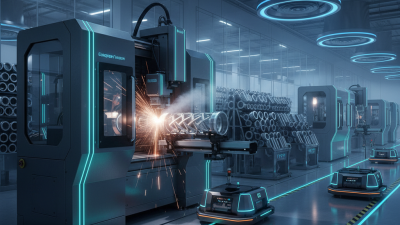
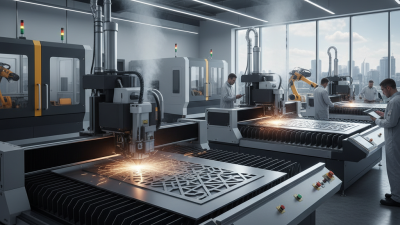
What is Laser Etching and How Does it Work?
Laser etching has revolutionized various industries, making it a fascinating topic. According to Dr. Emily Cortez, a leading expert in laser technology, "Laser etching combines precision with creativity to produce remarkable designs." This artful process involves using focused laser beams to engrave intricate patterns onto materials like metal, wood, and glass.
The technology not only enhances aesthetic appeal but also provides durability and uniqueness to products. Many industries utilize laser etching for branding, personalization, and product identification. For example, customized gifts made via laser etching can leave a lasting impression. Yet, despite its advantages, the accessibility of this technology raises questions about quality control and consistency.
As we explore the world of laser etching, it becomes clear that the technique offers both potential and challenges. Understanding its intricacies can improve applications, but awareness of limitations is essential. The balance between creative expression and practical execution is crucial for this technology to thrive.
What is Laser Etching?
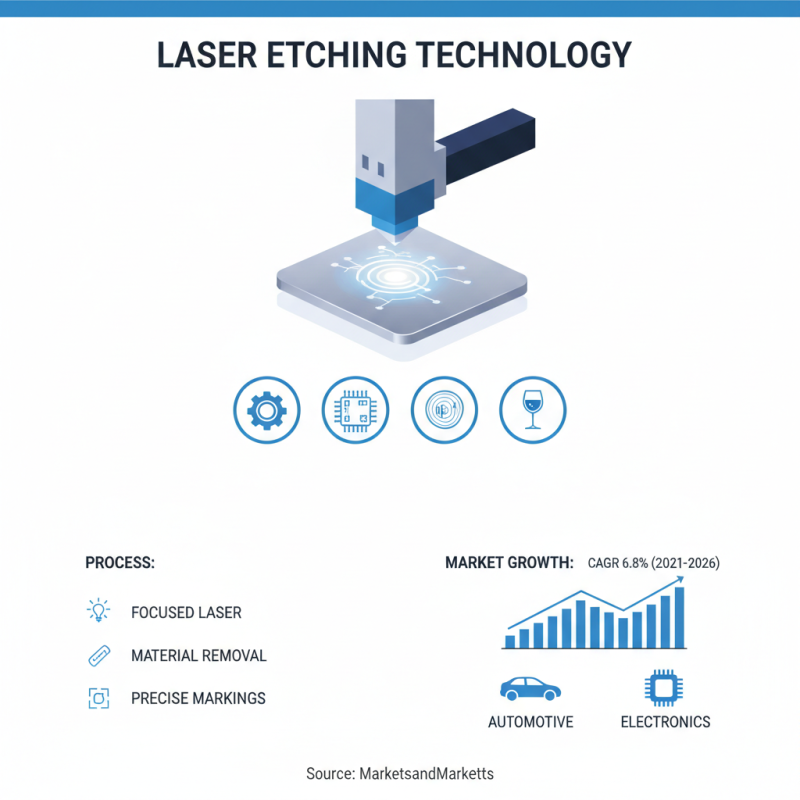
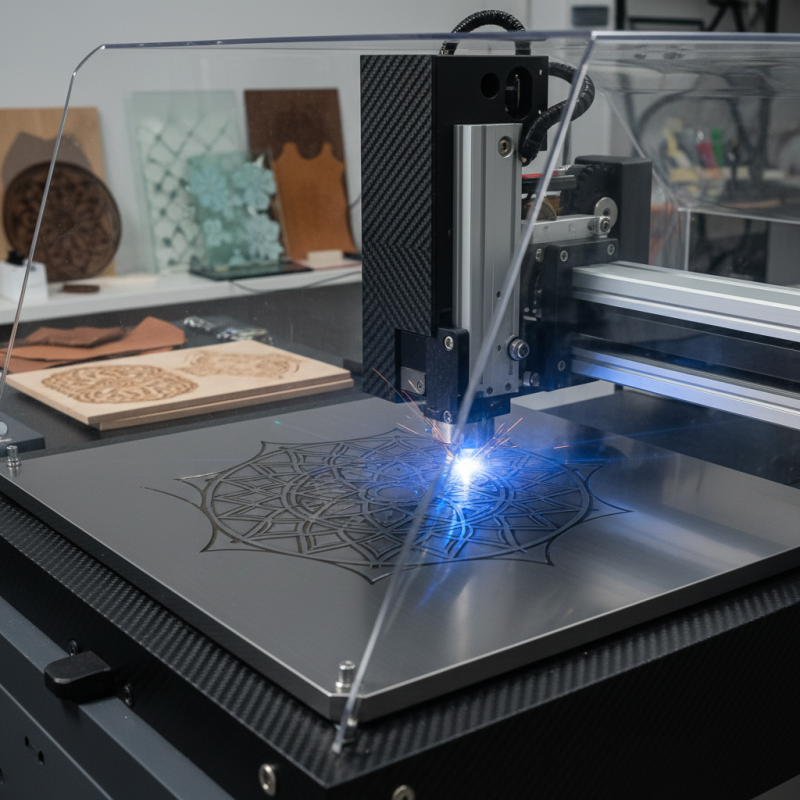
Laser etching is a modern technique used to engrave designs onto various surfaces. This process utilizes focused laser beams to remove material, creating precise markings. The technology is versatile, applicable to metal, plastic, wood, and glass. A report by MarketsandMarkets indicates a projected growth of the laser marking market at a CAGR of 6.8% from 2021 to 2026. This growth reflects increasing applications in industries like automotive and electronics.
The process of laser etching offers high precision. It can achieve accuracy within a few microns. Depending on the material, different laser types are used. For instance, CO2 lasers are effective for non-metallic materials. However, the required setup and maintenance can be costly. This can be a barrier for small businesses. Moreover, improper handling can lead to burns and unwanted etching. Training operators is essential but often overlooked.
Laser etching also produces minimal waste. As material is vaporized rather than cut, there is less debris. However, this means that acceptable waste management practices must be in place. Companies must consider the environmental impacts. While laser etching is efficient, the energy consumption can be significant. Balancing these factors is crucial for sustainable operation.
The History and Development of Laser Etching Technology
Laser etching has an interesting history. It began in the 1960s. Scientists first experimented with lasers. They discovered that lasers could etch materials. Initial applications were limited. Mainly, researchers focused on metal surfaces. The technology was quite raw, requiring constant refinement.
During the 1980s, advancements surged. Laser systems became more accessible. This led to wider experimentation. Industries used laser etching for various applications. Jewelry makers and manufacturers saw potential. The precision of laser etching was appealing. However, issues like material compatibility arose. Not every surface responded well to lasers.
As time passed, laser technologies evolved. Higher-powered lasers emerged. They became more efficient and versatile. Today, laser etching is precise and widely used. Yet, challenges remain. Some materials struggle with heat damage. Others may not etch as desired. Constant adaptation in techniques is needed. The history of laser etching is a blend of innovation and challenges.
What is Laser Etching and How Does it Work? - The History and Development of Laser Etching Technology
| Dimension |
Description |
| Technology Type |
Laser Etching |
| Process |
Using laser beams to engrave designs on various materials. |
| Materials |
Metals, wood, glass, acrylic, and leather. |
| Applications |
Personalization, industrial marking, art creation, and signage. |
| History |
Developed in the late 1960s, gained popularity in the 1980s. |
| Advantages |
Precision, speed, versatility, and permanent marks. |
| Limitations |
Initial cost of equipment and limited to certain materials. |
How Laser Etching Works: The Science Behind the Process
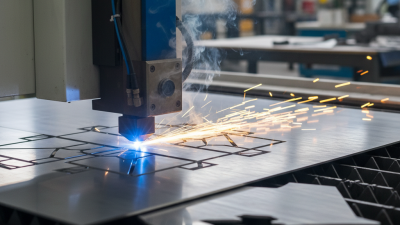
Laser etching is a fascinating process that uses high-powered lasers to engrave materials. The science behind laser etching involves focusing light beams onto a surface. When the laser hits the material, it generates extreme heat, causing it to vaporize. This reaction creates precise designs and patterns on various surfaces, such as wood, metal, and glass.
The technology is intricate yet brilliant. The laser's intensity, speed, and focus can be adjusted to produce different effects. For instance, a higher intensity may result in deeper etching, while a slower speed allows for detailed work. Nevertheless, achieving the perfect balance can be tricky. A small mistake in settings may ruin an entire design.
Many factors contribute to the final outcome. Material type plays a crucial role. Some surfaces may react unpredictably. Additionally, maintaining the right distance from the laser head to the surface is essential. If the distance varies, the etching can turn out uneven. This unpredictability adds an element of challenge to the process, pushing artists to refine their techniques continually.
Applications of Laser Etching in Various Industries
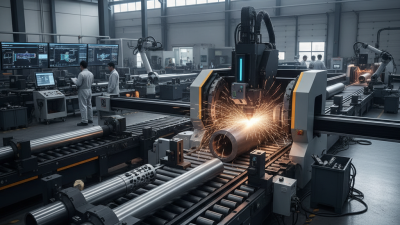
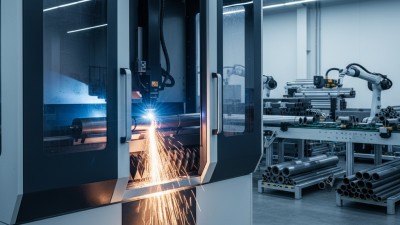
Laser etching has found remarkable applications across various industries, transforming how products are made and personalized. In manufacturing, it allows for precise markings on metal and plastic surfaces. This technique ensures durability and longevity. For example, serial numbers and QR codes are often etched onto machinery and consumer goods, aiding traceability and inventory management.
In the realm of fashion, laser etching offers a unique way to customize items. Leather goods can be adorned with intricate designs or personalized messages. It provides a modern twist to traditional craftsmanship. However, the process may not always meet every designer's expectations for detail. Sometimes, the etching can appear less defined than anticipated.
Moreover, the technology is gaining traction in the art world. Artists use it to create detailed designs on various materials like wood and glass. The results can be stunning, yet there’s a learning curve involved. Getting the depth right is challenging; too deep, and the material may lose integrity. Balancing precision with artistry is crucial, and it requires ongoing experimentation.
Advantages and Limitations of Laser Etching Techniques
Laser etching is a precise technique that uses lasers to engrave materials. It offers numerous advantages that make it appealing for various applications. One significant advantage is the high level of detail it can achieve. This precision allows for intricate designs.
Materials like wood, metal, and glass can be etched with stunning clarity. Additionally, the process is fast and efficient, resulting in reduced production costs.
However, there are limitations to consider. Not all materials respond well to laser etching. For example, some plastics may melt or warp under high heat. The initial setup costs can also be relatively high. Businesses must weigh these investment costs against the benefits. Furthermore, the process can produce fumes and debris, which necessitates proper ventilation and cleanup. Therefore, safety measures should not be overlooked.
Despite these drawbacks, many industries continue adopting laser etching. The growing technology allows for greater creativity and customization. It can enhance branding and product appeal. Yet, the need for skilled operators remains. Inexperienced handling can lead to unsatisfactory results. Ultimately, knowing both the advantages and challenges is crucial for successful laser etching applications.