Laser Marking Machine Tips for Optimal Performance and Usage?
In the world of manufacturing and personalization, the laser marking machine stands out. This technology is vital in various industries. It creates precise and durable markings on different materials. Users often overlook some critical tips for optimal performance.
One common mistake is not maintaining the machine properly. Regular cleaning can enhance the marking quality. Users should also test different settings for various materials. Not every material reacts the same way. This lack of experimentation may lead to unsatisfactory results.
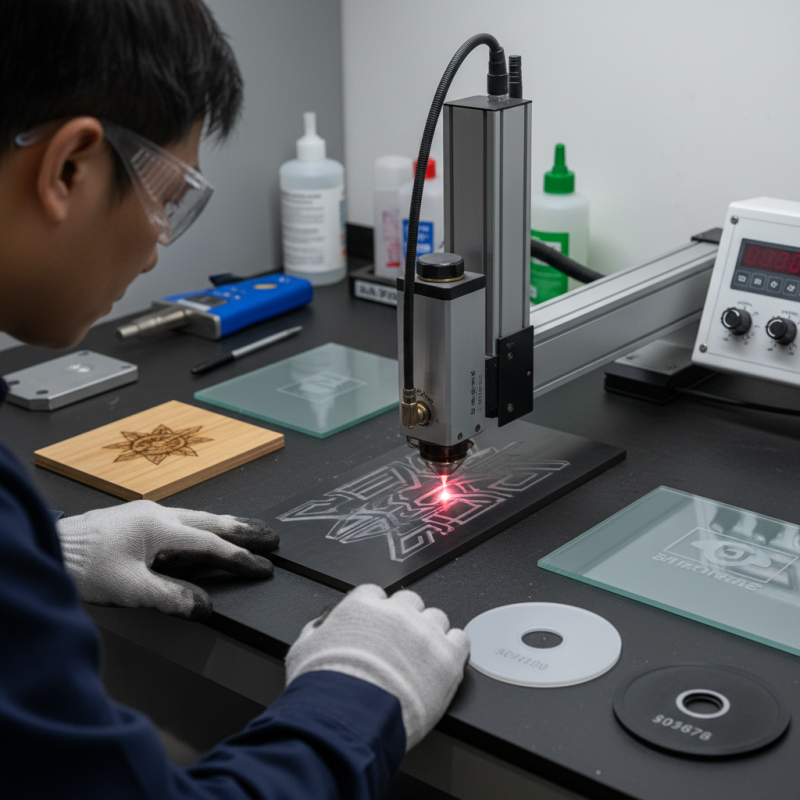
Many operators forget to wear safety gear. Laser marking machines can emit intense light. Eye protection is essential in any workspace. Ignoring safety protocols can lead to serious accidents. Taking precautions protects both the user and the equipment. Every detail matters when aiming for perfection with a laser marking machine.
Understanding Laser Marking Technology and Its Applications
Laser marking technology has transformed various industries by providing efficient and precise marking solutions. According to a report by MarketsandMarkets, the global laser marking market is expected to reach USD 3.5 billion by 2026, growing at a CAGR of 7.5%. This surge highlights the increasing adoption of lasers in applications like packaging, electronics, and medical devices. The accuracy of laser marking allows companies to create detailed designs and barcodes that can withstand rigorous conditions.
Applications of laser marking extend beyond simple logos. Industries utilize this technology for engraving serial numbers, which enhances traceability. In the medical field, for example, precise marking can prevent counterfeiting. However, challenges remain. Users often struggle with settings for different materials. Improper settings can lead to faded marks or excessive burn. These issues can impact the effectiveness of branding and product identification.
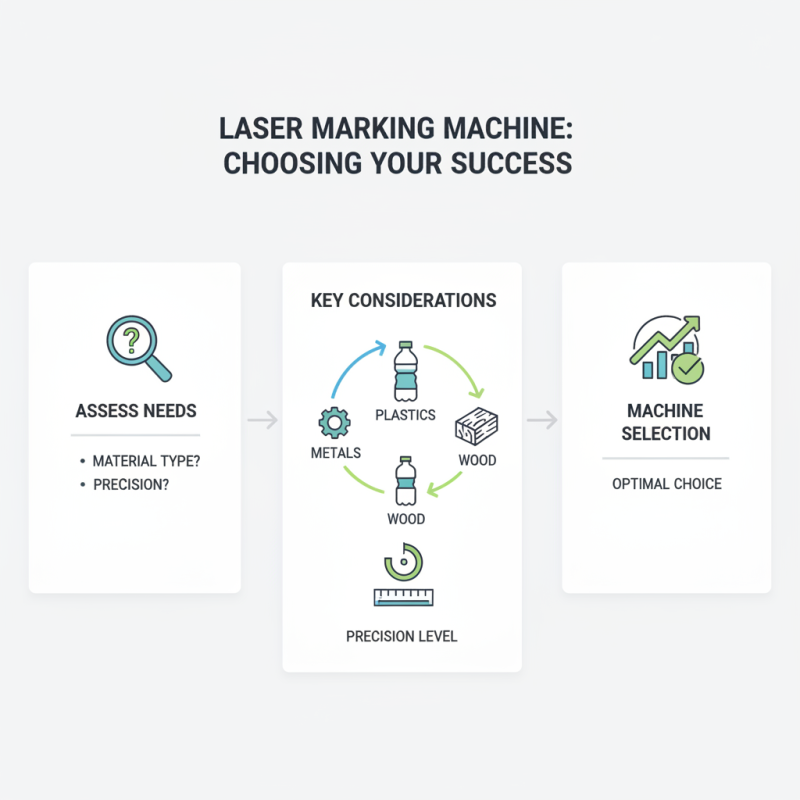
Understanding the types of lasers and materials is crucial. Fiber lasers are ideal for metals, while CO2 lasers work well on organic materials. Yet, not all materials are easy to mark. Some plastics may require additives to ensure quality markings. Users must conduct tests to find the right combinations. This approach, though time-consuming, is essential for optimal results. Investing in training can also minimize error rates and ensure long-lasting quality.
Essential Maintenance Tips for Sustaining Performance
Maintaining a laser marking machine is crucial for optimal performance. Regular cleaning is one of the key steps. Dust and debris can accumulate on the lens and mirrors. This can reduce the machine’s efficiency by up to 30%, as reported by industry experts. Cleaning these components regularly ensures clarity and precision in marking.
Another critical aspect is checking the cooling system. An efficient cooling system prevents overheating. Overheating can lead to component failure. Research indicates that poor cooling is a common cause of up to 40% of laser marking issues. Regularly monitoring the coolant levels and the pump operation can significantly enhance the machine's longevity.
Additionally, software updates are often overlooked. Staying current with the latest software can provide new features and bug fixes. Ignoring updates may lead to compatibility problems. Industry data shows that unpatched software can lower performance by 15%. It’s essential to ensure that the machine's software is always up-to-date for the best results. These small steps can prevent bigger issues and ensure the machine operates at its best.
Laser Marking Machine Performance Metrics
Techniques for Adjusting Settings for Optimal Marking Quality
Laser marking machines can produce impressive results when properly calibrated. Adjusting power, speed, and frequency settings is vital for achieving optimal marking quality. Each material reacts differently to laser settings. Understanding these nuances can make a notable difference. For example, metals may require higher power levels, while plastics may need gentler settings to avoid burning.
It’s crucial to test different settings before final production. Start with lower power settings and gradually increase until satisfactory results are achieved. Consider the density and texture of the material. An incorrect frequency could lead to inconsistent marks. If marks appear faded or uneven, review the settings. A simple adjustment can resolve these issues.
Regular maintenance of the machine also plays a role in marking quality. Clean lenses and mirrors ensure the laser beam remains focused. Sometimes, small debris can hinder performance without noticeable signs. If problems arise, don't rush to change settings; take a moment to inspect the equipment. Reflect on the previous settings and outcomes. Continuous improvement is key to mastering laser marking techniques.
Safety Considerations When Using Laser Marking Machines
When operating laser marking machines, safety is paramount. Industry reports indicate that laser-related accidents can result in severe injuries, often due to insufficient safety measures. According to the Occupational Safety and Health Administration (OSHA), around 2,000 eye injuries occur annually in workplaces that use lasers. Wearing appropriate safety glasses is essential to protect the eyes from laser exposure.
Additionally, proper ventilation is crucial when using laser marking machines. The process can produce harmful fumes and particulates, posing risks to respiratory health. The American National Standards Institute (ANSI) emphasizes the need for exhaust systems to minimize airborne contaminants. Regular maintenance checks ensure these systems work effectively, reducing long-term health concerns.
Moreover, training personnel is vital. Employees must understand the specific risks associated with laser use. A study published in the Journal of Laser Applications highlights that 20% of laser accidents stem from a lack of knowledge. Companies should invest in comprehensive training programs, covering safe equipment handling and emergency protocols. Creating a culture of safety reduces incidents and fosters a work environment focused on health and well-being.
Laser Marking Machine Tips for Optimal Performance and Usage
| Tip |
Description |
Safety Consideration |
| Select Appropriate Material |
Choose the right material for laser marking to ensure high quality. |
Ensure material is safe to mark and does not release harmful fumes. |
| Adjust Power Settings |
Optimize laser power for the specific thickness of the material. |
Higher power can increase risk of burns; handle settings with care. |
| Maintain Clean Lens |
Regularly clean laser lens to maintain precision and clarity. |
Use appropriate lens cleaners to avoid damaging the lens. |
| Proper Ventilation |
Ensure workspace is well-ventilated to disperse fumes. |
Avoid inhaling fumes; consider using fume extraction systems. |
| Use Protective Gear |
Wear safety glasses and gloves during operation. |
Protect eyes and skin from potential laser exposure. |
| Check for Obstructions |
Clear workspace of any objects that could interfere with marking. |
Prevent accidents caused by moving parts or falling objects. |