Top 5 Tips for Optimizing Tube Laser Cutting Processes?
In the world of manufacturing, optimizing tube laser cutting processes is crucial. According to industry expert Dr. Emily Hanson, "Efficiency in tube laser cutting determines the competitiveness of manufacturers." With rapid advancements in technology, many companies still face challenges in harnessing the full potential of tube laser cutting.
Tube laser cutting offers precision that traditional methods cannot match. However, many businesses struggle to integrate new techniques. They often rely on outdated practices. This can lead to inefficiencies and increased costs. The industry demands a fresh perspective to improve these processes.
Identifying key optimization strategies can lead to significant gains. Streamlined workflows, proper equipment maintenance, and employee training might be essential. It is vital to examine each aspect critically. An approach that works for one company might fall short for another. Thus, innovation should be blended with tried-and-true methods to ensure success in tube laser cutting.
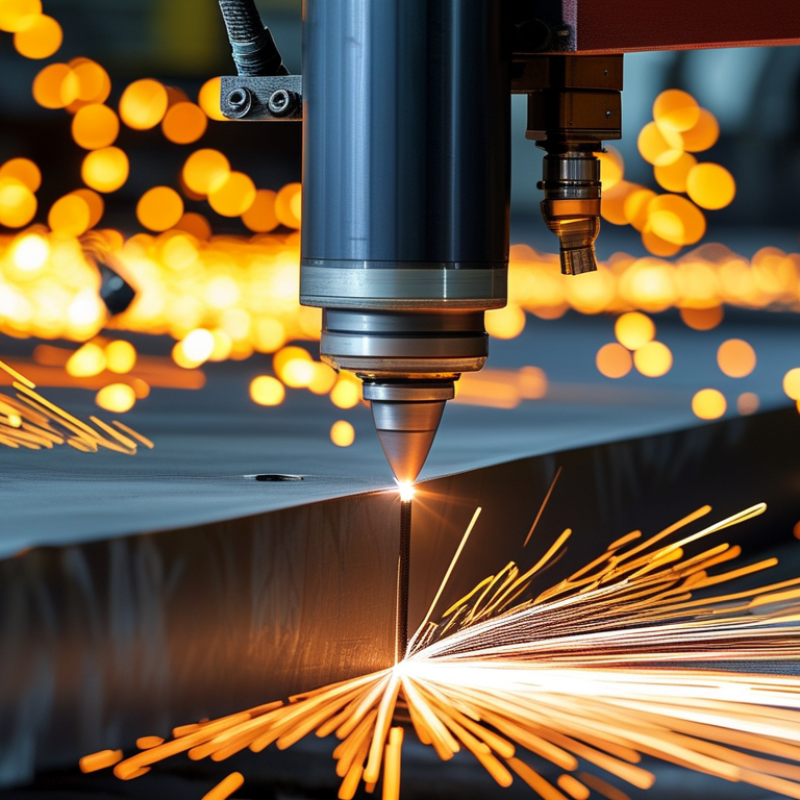
Understanding the Tube Laser Cutting Technology and Its Applications
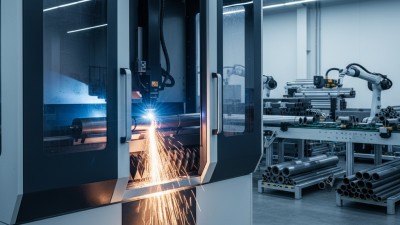
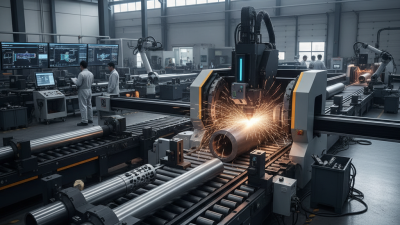
Tube laser cutting technology has revolutionized manufacturing processes across various industries. This method utilizes highly focused laser beams to cut through tubes with intricate precision. This capability makes it ideal for applications in automotive, aerospace, and construction sectors. The ability to create complex shapes and designs enhances product quality while reducing waste. However, this technology is not without its challenges. Ensuring that the machine settings are optimal can sometimes be tricky, affecting the final output.
Different materials respond uniquely to laser cutting. For example, thicker materials may require more power or slower cutting speeds, leading to potential discrepancies in results. Operators need to adjust settings based on material type and thickness, which adds a layer of complexity. Awareness of these nuances is crucial for achieving desirable outcomes. Continuous training and experience in these variables allow technicians to enhance their skills. This adaptation can result in higher efficiency and improved production rates.
Additionally, the choice of lens focus and cutting speed can significantly impact the edge quality and throughput. Many operators overlook the importance of regular maintenance and calibration of laser systems. Neglecting these can lead to unexpected downtime. Being diligent about these aspects is essential for reliable performance. Quality control checks are necessary to catch imperfections early in the process. Embracing these considerations can maximize the benefits of tube laser cutting technology.
Key Factors Influencing the Efficiency of Tube Laser Cutting Processes
When it comes to optimizing tube laser cutting processes, several key factors play a significant role. The quality of the laser beam is crucial. A focused beam leads to precise cuts and reduces waste. Operators must regularly inspect and calibrate their equipment for optimal performance. Even minor misalignments can hinder the cutting efficiency.
Material selection is another critical aspect. Different metals react differently to laser cutting. Understanding the properties of each material aids in choosing the right settings. For example, thicker metals require stronger lasers. Monitoring material thickness ensures the laser operates within an efficient range.
Finally, operator training cannot be overlooked. Skilled operators understand how to adjust settings based on real-time feedback. They can identify issues swiftly, minimizing downtime. Regular training and assessment help maintain a high standard of operation. This preparation reduces trial and error, leading to a more efficient process.
Top 5 Tips for Optimizing Tube Laser Cutting Processes
This chart illustrates the top five factors influencing the efficiency of tube laser cutting processes, measured by their percentage impact. Understanding these factors helps in optimizing the cutting process for better efficiency and productivity.
Strategies for Material Selection to Enhance Cutting Performance
Choosing the right material for tube laser cutting can significantly impact cutting performance. Not all materials respond the same way to laser technology. Factors such as thickness, reflectivity, and thermal properties should be considered. For instance, stainless steel often delivers superior results due to its ability to absorb laser energy effectively. Reports indicate that optimized material selection can increase cutting efficiency by up to 30%.
Another key consideration is the surface finish of the material. Materials with rough surfaces may create inconsistencies during cutting, leading to jagged edges. Researchers suggest that a smooth surface allows for a cleaner cut, which minimizes post-processing time. This improvement directly correlates with reduced production costs.
Tip: Choose materials that are specifically engineered for laser cutting. They tend to have better thermal conductivity, which enhances the quality of the cut.
It's also worth noting that while some materials can cut easily, they may not provide the
durability needed for the final product. Take
aluminum, for example. It cuts well but is prone to deformation under stress. Evaluating these nuances can lead to a more effective manufacturing process.
Tip: Consider conducting test cuts with various materials to assess their performance before committing to large-scale production. This method enables you to identify the right fit for your project's specific needs.
Techniques for Optimizing Cutting Parameters in Tube Laser Operations
Optimizing the cutting parameters in tube laser operations is crucial for efficiency and precision. One effective technique involves adjusting the laser power. For thicker materials, higher power settings are often necessary. However, excessive power can lead to burn marks and wasted material. Finding the right balance is essential.
Another critical aspect is the cutting speed. Slower speeds can improve cut quality, but they also increase production time. Experimenting with different speeds can uncover optimal settings for various materials. Precision in the cutting process often results from small adjustments, like changing the feed rate.
The use of assist gas is also important. Oxygen and nitrogen can affect the cut quality in different ways. While oxygen can create a faster cut, it may produce dross. On the other hand, nitrogen yields cleaner edges but typically requires more time. Monitoring gas pressure and flow rates helps in achieving the best results.
Mistakes in parameter settings can lead to inefficiencies. For instance, using outdated parameters may result in lower quality cuts and higher costs. Regularly reviewing and adjusting these settings based on the material type and thickness can enhance overall performance significantly. Fine-tuning the cutting parameters requires both experience and ongoing experimentation.
Utilizing Maintenance Practices for Improved Laser Cutting Efficiency
Laser cutting technology plays a vital role in modern manufacturing. Maintenance practices significantly influence the efficiency of tube laser cutting processes. According to a recent industry report, regular maintenance can enhance the lifespan of laser systems by up to 30% and reduce downtime by 25%. This is particularly crucial in high-demand production environments, where every minute counts.
Routine checks on optics and reflectors should not be overlooked. Contaminated optics can lead to reduced cutting quality, wasting materials and time. Studies show that even slight misalignments can cause a 15% decrease in cutting speed. Incorporating preventive measures, such as cleaning lenses weekly, is essential. This small effort can yield substantial gains in operational efficiency.
Employee training also plays an important role. Well-trained staff can identify potential issues early, preventing larger problems down the line. A lack of training often leads to mistakes, increasing costs. A survey indicated that 70% of laser cutting inefficiencies stem from operator errors. Continuous education helps bridge this gap, ensuring optimal performance in tube laser cutting applications.