What is Packaging Inspection and Why is it Important?
Packaging Inspection plays a critical role in ensuring product quality. This process involves systematically checking packaging materials and methods to confirm they meet specific standards. Effective packaging protects products during transit, preserves their integrity, and enhances customer satisfaction.
In the fast-paced world of manufacturing and retail, it’s essential to prioritize Packaging Inspection. By identifying flaws early, businesses can avoid costly recalls and damage to their reputation. However, many companies underestimate its importance until issues arise. A lack of attention can lead to customer dissatisfaction and loss of trust.
Ultimately, maintaining high standards in Packaging Inspection is not just a legal obligation but a fundamental practice to ensure product reliability. This area requires expertise and precise attention to detail. The success of products in the market often hinges on effective packaging strategies. Emphasizing quality in inspections can set businesses apart in a competitive landscape.
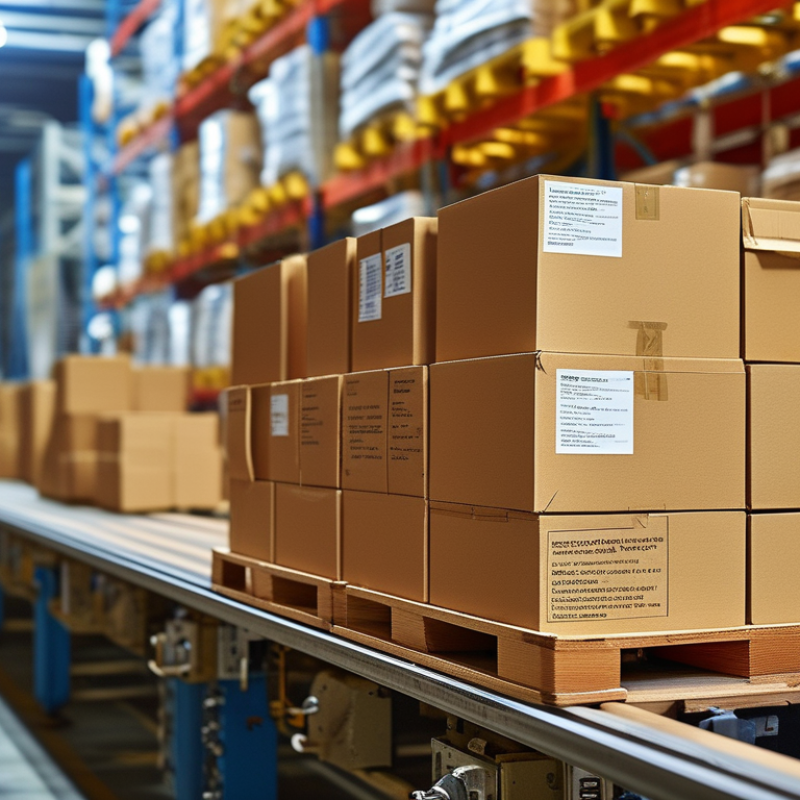
What is Packaging Inspection?
Packaging inspection is a critical process that ensures products are protected and presented correctly. It involves checking packaging for defects and compliance with standards. According to a report from the International Society for Packaging and Handling Technologies, improper packaging can lead to losses exceeding $1 trillion annually for companies worldwide.
Proper packaging inspection is vital for maintaining brand integrity. It guards against packaging failures that can cause product damage during shipping. Research shows that 30% of consumers are likely to abandon purchases due to poor packaging. Each detail counts, from seal integrity to label clarity. Inspecting materials used in packaging can prevent issues like contamination and spoilage. Industry experts recommend implementing automated inspection technologies for increased accuracy.
Tips: Always conduct a random sample inspection to identify potential issues early. Train staff on the importance of packaging quality. Even minor flaws, like inconsistent labeling, can reflect poorly on your brand. Regular audits can help maintain standards and ensure continuous improvement. Aim for not just compliance, but excellence in packaging.
What is Packaging Inspection and Why is it Important?
| Inspection Type | Purpose | Benefits | Frequency |
| Visual Inspection | To check for visible defects such as damages and labeling errors | Reduces returns and customer complaints | Every batch |
| Dimensional Inspection | To ensure packaging dimensions meet specifications | Ensures fit for transportation and storage | Monthly |
| Material Inspection | To verify the quality and type of materials used | Enhances product safety and compliance | Per shipment |
| Functional Testing | To check if the packaging performs as intended | Prevents product damage during handling | Quarterly |
Key Components of Packaging Inspection
Packaging inspection is crucial in ensuring that products reach customers in optimal condition. It involves several key components, each essential for maintaining quality. First, visual inspection assesses the packaging for damages like dents or tears. This helps identify any potential issues before the product is delivered.
Another component is seal integrity testing. A secure seal protects the product inside from contamination or spoilage. Various methods, such as peel tests, can verify that seals are intact. Proper seal integrity is vital for consumer trust and safety. Packaging weight checks also play a role. They ensure that the product meets specified standards, avoiding customer dissatisfaction.
Here are a few tips for effective packaging inspection: Regularly train your quality control team on inspection techniques. This builds expertise and enhances reliability. Invest in modern inspection tools to streamline the process. Remember, even minor flaws can lead to bigger problems later. Stay vigilant and address any discrepancies immediately.
The Importance of Quality Control in Packaging
Quality control in packaging plays a critical role in ensuring customer satisfaction. It involves assessing packaging materials, design, and functionality. A well-executed inspection process helps identify defects and minimize issues. Small errors can lead to significant problems. For instance, a minor tear in the packaging might result in contamination. This emphasizes the need for thorough inspection procedures.
Incorporating regular quality checks also builds trust with consumers. When customers feel confident in the product integrity, they are more likely to make repeat purchases. An imperfect package can tarnish a brand's reputation. Therefore, companies must focus on robust inspection practices. They should strive for constant improvement in their quality control processes.
Additionally, the challenges in packaging inspection cannot be overlooked. Human error, machinery malfunction, and inadequate training can all impact quality control. Addressing these shortcomings is essential for maintaining standards. Organizations should regularly evaluate their inspection criteria and invest in staff training. This proactive approach enhances reliability and strengthens the overall packaging strategy.
Common Methods Used in Packaging Inspection
Packaging inspection plays a crucial role in maintaining the quality and safety of products. Common methods used in packaging inspection include visual inspections, seal integrity tests, and weight checks. According to a report by the Packaging Machinery Manufacturers Institute, poor packaging can lead to a 12% increase in returns and complaints. This highlights the significance of rigorous testing.
Visual inspections assess the condition of packaging. They look for dents, tears, or mislabeling. Seal integrity tests ensure that packages are airtight and tamper-proof. Faulty seals can expose products to contamination. Weight checks confirm that packaging meets regulatory standards and specifications. Each of these methods contributes to overall product safety and customer satisfaction.
Tips: Conduct regular training for your inspection team. Ensure they are aware of the latest best practices in quality control. Invest in reliable equipment for testing. The cost of inspection can seem high, but it is a fraction of the costs incurred from product returns. Regular failures can lead to poor brand reputation and escalate operational costs.
Consequences of Poor Packaging Inspection
Packaging inspection is critical in ensuring product integrity and customer satisfaction. Poor packaging inspection can lead to significant consequences that affect both the company’s bottom line and reputation. According to a report by the Packaging Machinery Manufacturers Institute (PMMI), nearly 20% of product recalls are attributed to packaging errors. This is not merely a statistic; it underscores the critical need for stringent quality checks.
When packaging fails, products may become damaged during transit or storage. The international supply chain can deteriorate rapidly with unresolved packaging issues. A study by the International Journal of Packaging Technology indicates that inadequate packaging leads to a loss of $1 billion annually across various industries. Such losses stem from returned products, wasted resources, and minimized customer loyalty. Companies often overlook the importance of investing in proper packaging inspection processes, leaving room for significant financial strain.
Moreover, the human cost is palpable. An inadequate packaging inspection can increase customer complaints and return rates. A report from the Quality Assurance Institute reveals that 30% of consumers would not repurchase from brands that deliver poorly packaged goods. This loss of trust can take years to rebuild. Companies must confront these realities to avoid detrimental outcomes and maintain a competitive edge in today’s market.
Consequences of Poor Packaging Inspection