What is a Packing Machine and How Does It Work?
In the world of manufacturing, a Packing Machine plays a crucial role. This machine is designed to package products efficiently and securely. Different industries rely on packing machines for various applications, ensuring items are ready for distribution.
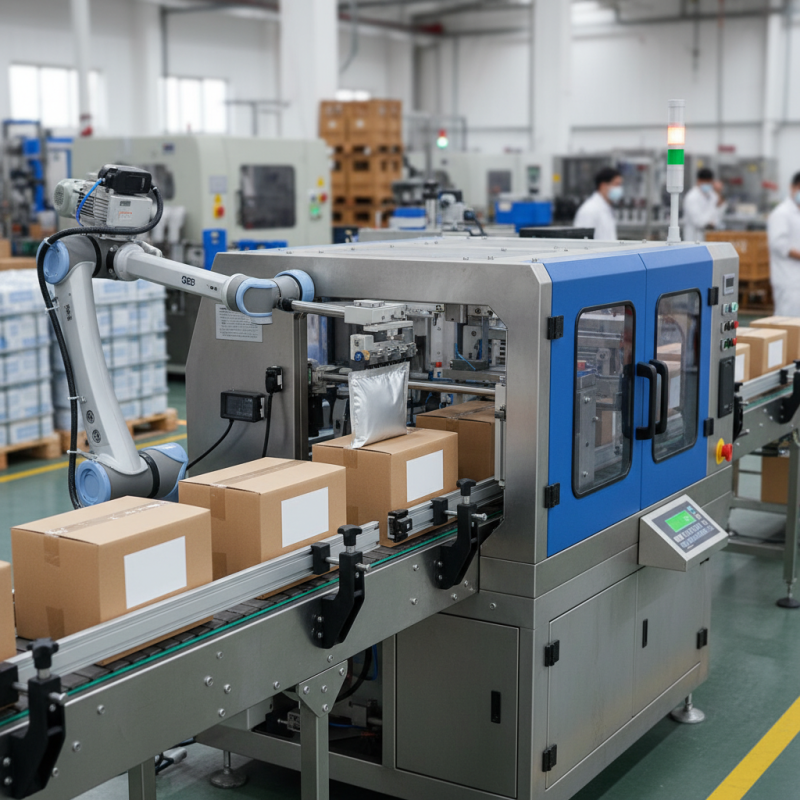
A typical packing machine operates by taking a product and placing it into a container. It can seal, label, and sometimes even weigh the items. As simple as it sounds, the technology behind packing machines is fascinating. It includes elements like conveyors and sensors that enhance precision.
However, not all packing machines are created equal. Some machines may struggle with specific product types. This can lead to product damage or inefficiency. It's vital to choose the right machine for the job. Users must often reflect on their production needs and consider improvements.
What is a Packing Machine?
A packing machine is a vital piece of equipment in various industries. It automates the packaging process, significantly increasing efficiency and productivity. These machines can handle a range of products, from food items to pharmaceuticals. According to the International Packaging Association, the packaging machinery market is expected to reach $50 billion by 2025, driven by growing consumer needs.
Packing machines vary in design and function. Some are designed for specific tasks, while others offer versatility for different products. For instance, vertical and horizontal form-fill-seal machines cater to different packaging styles. However, not all machines meet the exact needs of a business. Companies may invest in expensive machines that do not optimize their operations fully. A 2022 industry report highlighted that nearly 30% of businesses felt equipment did not align with their production goals.
Automation offers undeniable benefits, but it comes with challenges. Packaging machines require regular maintenance, which can disrupt production if not managed properly. Furthermore, workers must be trained to operate and troubleshoot these machines. In some cases, reliance on technology might lead to overlooking manual quality checks, leaving room for errors. Balancing automation and human oversight remains a crucial consideration in the packaging industry.
Types of Packing Machines and Their Applications
Packing machines play a crucial role in various industries. They come in different types, each designed for specific applications. One common type is the vertical form-fill-seal machine. It creates bags from flat rolls of film, filling them with products like snacks or powders. This machine is efficient and maximizes the use of space.
Another type is the case packer, widely used in beverage and food packaging. It automates the process of packing products into cartons. While it increases speed and reduces labor costs, it can sometimes struggle with irregular product shapes. This may cause delays or require manual adjustments.
Shrink wrapping machines are also popular. They wrap products tightly in plastic film, providing protection and a clean look. However, they have limitations with very delicate items that need extra care. Understanding these nuances can improve efficiency in production lines. Choosing the right packing machine requires careful consideration of product type and packaging needs.
Types of Packing Machines and Their Applications
Components and Mechanisms of Packing Machines
Packing machines are essential in various industries. They automate packing processes, increasing efficiency. Understanding their components can help optimize performance.
A packing machine typically consists of several key components. The feeder is responsible for loading products. It ensures a steady flow into the machine. Conveyors then move the items to filling stations. These stations utilize various mechanisms, such as volumetric or weight-based systems, to dispense the right amount of product into packaging. Sealing systems follow, combining heat and pressure to secure packages effectively.
Tips: Regular maintenance enhances machine longevity. Inspect seals and conveyors frequently.
Control systems play a crucial role in the operation. Programmable logic controllers (PLCs) manage processes. Sensors provide feedback to optimize speed and accuracy. Industry reports indicate that automation can boost productivity by up to 30%. However, relying solely on machines may lead to oversights. Operators need training to address issues that arise.
Tips: Invest in staff training programs. Empower operators to troubleshoot effectively.
How Packing Machines Operate: A Step-by-Step Process
Packing machines are essential in various industries. They automate the process of packaging products for distribution. Utilizing advanced technology, these machines enhance efficiency and reduce labor costs. According to a market research report, the global packaging machinery market is projected to reach $50 billion by 2025, reflecting the increasing demand for automated solutions.
How packing machines operate involves several key steps. Initially, products move onto the conveyor belt. As they advance, sensors detect the product's presence. This allows the machine to calculate the right amount of packing material needed. Next, material unfolds and molds around the product. This step requires precision. Often, imperfections occur due to misalignment. These issues can lead to wasted material and increased costs.
Finally, the machine seals and labels the package. A study from the Packaging Machinery Manufacturers Institute highlights the significance of user training. Many issues arise from improper machine use. Regular training can mitigate some common errors. Skilled operators tend to achieve higher efficiency and lower waste rates. Maintaining a balance between automation and human oversight remains a challenge in many production facilities.
What is a Packing Machine and How Does It Work?
| Step | Description | Tools/Components | Output |
| 1 | Product Feeding | Conveyor belts | Products ready for packing |
| 2 | Product Inspection | Sensors, Cameras | Quality inspected products |
| 3 | Packing Formation | Forming tools, molds | Packing containers |
| 4 | Filling | Filling machines | Filled packs |
| 5 | Sealing | Heat sealers | Sealed packages |
| 6 | Labeling | Label applicators | Labeled products |
| 7 | Final Inspection | Quality control systems | Ready for shipment |
Benefits of Using Packing Machines in Production and Distribution
Packing machines have become essential in modern production and distribution. They significantly increase efficiency and reduce labor costs. According to a report by the Packaging Machinery Manufacturers Institute, automating packing processes can enhance productivity by up to 30%. This efficiency allows companies to meet high demand without compromising quality.
One key benefit is consistency. Machines provide uniformity in packaging, reducing errors. A study from the Freedonia Group indicates that 82% of manufacturers report fewer packaging defects after implementing machines. While initial costs may seem high, long-term savings often justify the investment. However, upgrading existing systems can be challenging, as many companies struggle with proper integration and training.
Additionally, packing machines improve safety. With automated systems, workers face fewer hazards. Yet, companies must prioritize regular maintenance. Neglecting maintenance can lead to breakdowns or unsafe operational conditions. Ultimately, while packing machines offer significant advantages, they also demand careful planning and ongoing evaluation.