What Is the Shelf Life of Chocolate and How to Tell If Its Expired?
Chocolate is a beloved treat for many. But how long does it last? Understanding Chocolate expiration is vital for anyone who enjoys this sweet indulgence. Many factors affect chocolate's shelf life, including its type and storage conditions.
Chocolate can last for months or even years, depending on various aspects. However, it doesn't always maintain its quality. You may notice changes in texture or flavor as time passes. Some chocolates have a shiny appearance, while others become dull. Stale chocolate can still be consumed, but it may not be enjoyable.
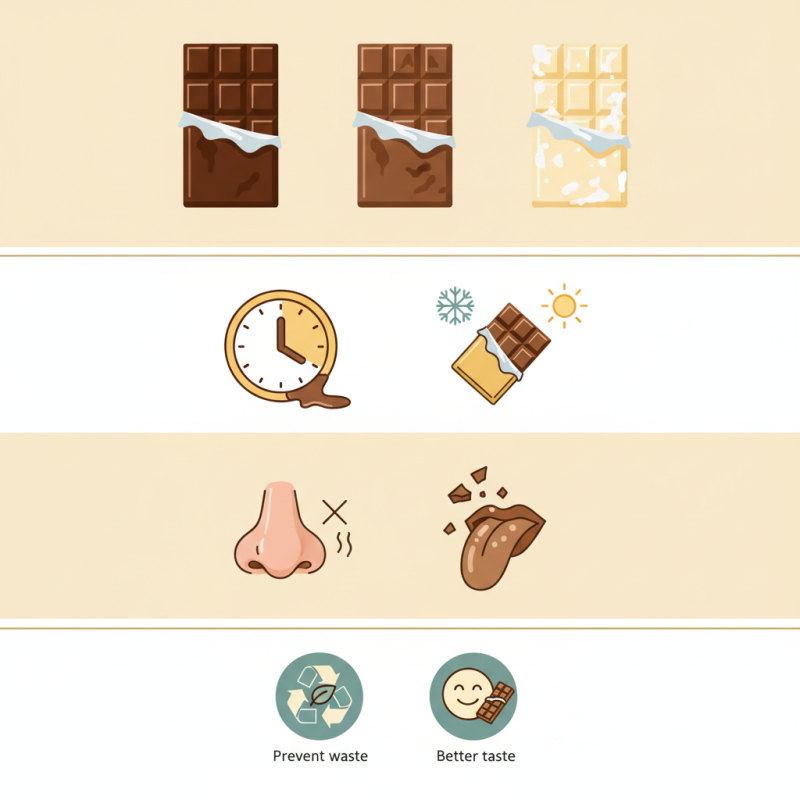
Knowing when chocolate has expired helps to avoid unpleasant surprises. Signs of spoilage include a white film, often from fat separation. Other factors include odd smells or off-tasting bites. Learning to recognize these indicators is essential for every chocolate lover. Reflecting on your chocolate habits can help prevent waste and ensure a better tasting experience.
Understanding Chocolate Shelf Life: Key Factors Explained
Chocolate is beloved worldwide, but understanding its shelf life is crucial. Various factors contribute to its longevity. The main determinants include type, storage conditions, and exposure to air. According to industry reports, dark chocolate can last up to two years if stored properly. Milk chocolate, however, has a shorter life, averaging around one year.
Storage plays a vital role in preserving chocolate. Ideal conditions are cool, dry places, away from strong odors. The temperature should remain below 70°F (21°C). If chocolate is exposed to heat or humidity, it may develop a whitish coating. This phenomenon, known as bloom, is not harmful but can affect texture and flavor. It's essential to check expiry dates and observe any changes in smell or consistency.
Despite these guidelines, many people store chocolate improperly. Some place it in the refrigerator, which can lead to moisture issues. It's a simple yet common mistake. When unsure, always taste a small piece. If it seems off, it might be time to let it go. Trust your senses; they can be more reliable than a date on a package.
Different Types of Chocolate and Their Expiration Timelines
Chocolate comes in various types, each with its unique shelf life. Dark chocolate generally lasts the longest, up to two years when stored properly. It contains a high cocoa content and less milk, which helps preserve it. Experts suggest keeping it in a cool, dark place to maintain its quality.
Milk chocolate has a shorter lifespan, usually around one year. Its higher milk content makes it susceptible to spoilage. Studies indicate that milk chocolate can develop a white film called bloom. This happens when fat or sugar rises to the surface. Bloom does not affect safety but may alter texture and taste.
White chocolate is distinct. It typically lasts about six to eight months. It contains no cocoa solids, relying on sugars and fats that degrade faster. The FatContent Association states that improper storage can decrease its longevity. Even chocolate chips, which are designed for baking, follow similar guidelines. Their shelf life ranges from one to two years. Recognizing these differences can help prevent unwanted surprises.
Chocolate Shelf Life Comparison
This chart illustrates the shelf life of various types of chocolate in months. Dark chocolate has the longest shelf life, while white chocolate and chocolate chips tend to expire more quickly.
Signs That Chocolate Has Expired: How to Check for Freshness
When it comes to chocolate, freshness is key. A few signs can indicate whether your chocolate has expired. Look for white spots or a powdery film on the surface, known as bloom. This often happens when chocolate is exposed to heat. While bloom might not be harmful, it affects the texture and taste.
Another sign is a change in smell. Fresh chocolate should have a rich, sweet aroma. If it smells stale or off, it might be time to toss it. Pay attention to taste as well. Chocolate that’s gone bad may taste grainy or have a strange aftertaste. If you bite into it and the texture feels off, that’s another red flag.
Texture changes can occur due to humidity or improper storage. Chocolate should be kept in a cool, dry place. If you find cracks or it crumbles easily, it has likely lost its freshness. Trust your senses. Seeing, smelling, and tasting can guide your decision. It's not always clear-cut, and sometimes it might be better to err on the side of caution.
Storage Tips to Extend the Shelf Life of Chocolate
Storage plays a vital role in extending the shelf life of chocolate. The ideal temperature for chocolate storage is between 65°F and 70°F (18°C to 21°C). Keep chocolate away from direct sunlight and strong odors. Humidity can also affect chocolate. A dry environment is crucial, as moisture can lead to bloom, a surface discoloration. This doesn’t make chocolate unsafe but affects its texture.
For long-term storage, consider a cool pantry or cabinet. Avoid the fridge, as it can cause condensation. Instead, use airtight containers to protect the chocolate from air and odors. According to data from the Chocolate Manufacturers Association, proper storage can extend chocolate’s shelf life by several months. Regular checks for signs of spoilage are essential. Look for an unusual texture or off smell. If you notice these signs, it’s time to reflect on whether the chocolate is still good to consume.
To maintain freshness, label your chocolate with purchase dates. This simple tip helps track age. It might seem trivial, but it ensures you enjoy it at its best. Chocolate can be a delightful treat, but without careful storage, it can quickly lose its appeal.
What to Do with Expired Chocolate: Safety and Usage Guidelines
Chocolate can last a long time, but expired chocolate doesn't automatically mean it's unsafe. The quality may diminish, impacting taste and texture. If your chocolate has a grayish appearance, it's called bloom. This happens due to moisture or temperature changes. It's not harmful, but it can alter the experience.
When using expired chocolate, consider the following. If it's very old but still looks fine, a taste test is a great idea. Break a small piece and see if it still melts smoothly in your mouth. If it tastes stale, it might be time to say goodbye.
Tips: Melt the chocolate if there are small flaws. Melting can bring out flavors again. You can use it for baking or making hot chocolate. Remember, expired chocolate can work in recipes where freshness isn't crucial. Also, check for any off smell. If it smells odd, it's better to dispose of it.
What Is the Shelf Life of Chocolate and How to Tell If It's Expired?
| Chocolate Type | Shelf Life (Unopened) | Shelf Life (Opened) | Signs of Expiration | Usage Tips |
| Dark Chocolate | 2 years | 1 year | White spots (bloom), off odor | Great for baking or hot chocolate |
| Milk Chocolate | 1 year | 6 months | Surface changes, bad smell | Use in desserts, chocolate fondue |
| White Chocolate | 1 year | 6 months | Changes in color, texture issues | Good for baking, but melt carefully |
| Chocolate Bars with Fillings | 1 year | 3-6 months | Filling spoilage, unusual taste | Check fillings for freshness before use |
| Chocolate Chips | 1 year | 6 months | Clumping, change in smell | Perfect for cookies or baking |