Top 5 Tips for Choosing a Laser Etching Machine?
Choosing the right laser etching machine can significantly impact your business. The global laser engraving and etching market is projected to reach $5 billion by 2025, according to a report by MarketsandMarkets. This growth highlights the increasing importance of precise engraving technologies across various industries. An expert in the field, Dr. Alice Thompson, states, “Selecting the appropriate laser etching machine can enhance productivity and quality.”
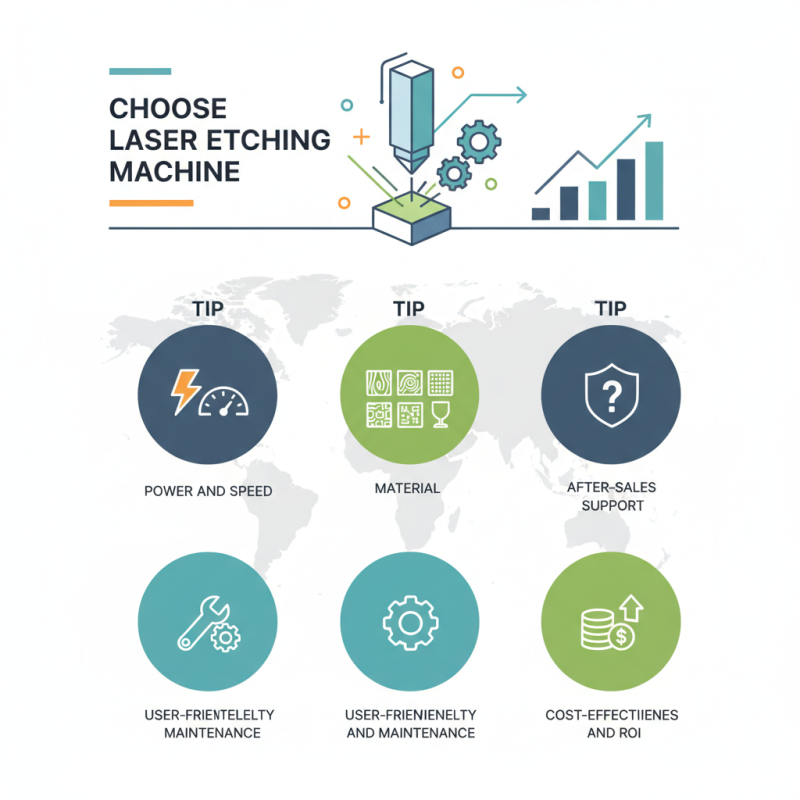
Understanding the challenges in the selection process is crucial. Many buyers are overwhelmed by numerous options available. Factors such as power, speed, and material compatibility are essential. However, buyers often overlook the importance of after-sales support. Skipping this aspect can lead to operational downtime and increased costs.
Evaluating potential laser etching machines requires careful consideration of your unique needs. Beyond technical specifications, factors like user-friendliness and maintenance should not be ignored. As Dr. Thompson suggests, “A well-chosen machine pays for itself over time.” In a competitive market, an informed choice makes all the difference.
Understanding Your Etching Needs and Applications
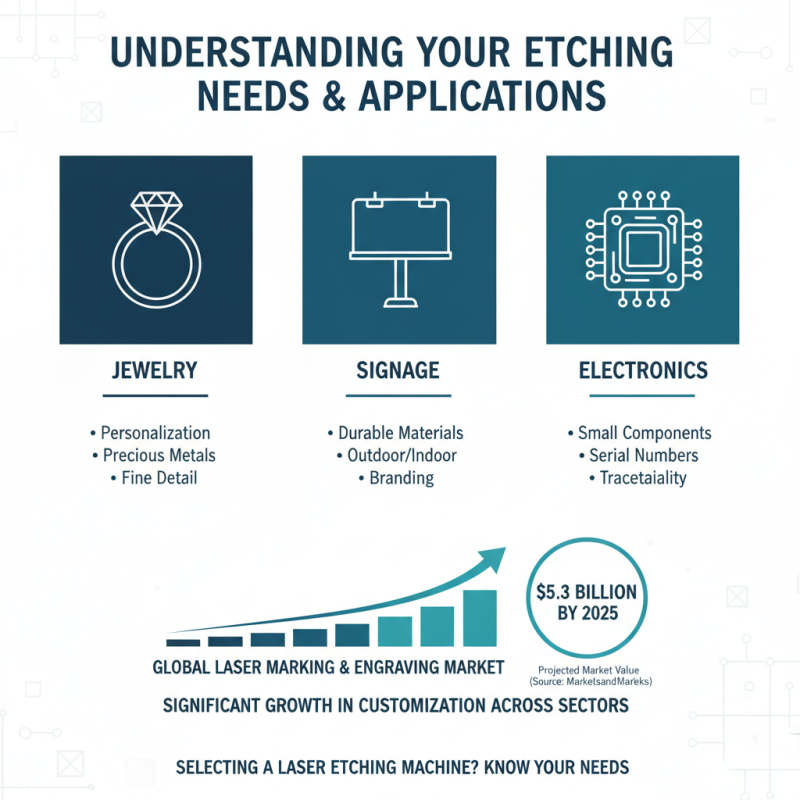
When selecting a laser etching machine, understanding your specific needs is essential. The applications for etching can vary widely. Industries such as jewelry, signage, and electronics all demand unique features. According to a report by MarketsandMarkets, the laser marking and engraving market is projected to reach $5.3 billion by 2025, showing significant growth in customization across sectors.
Consider the materials you'll be working with. Different machines excel at etching various substrates. For wood, a lower wattage machine may suffice, while metals may need a high-powered option. In a survey by SME, 70% of manufacturers indicated that precision is critical in their production processes. Choosing a machine that meets these precision requirements is vital for maintaining quality.
Another factor is the level of detail your projects require. Some applications demand intricate designs, which can only be achieved with higher resolution capabilities. Data from the Laser Institute of America indicates that laser technology has improved dramatically, allowing for finer details than ever before. Balancing these technicalities with your budget can be a challenge, but it's crucial for long-term success.
Comparing Different Types of Laser Etching Technologies
Laser etching technology has evolved significantly, and choosing the right machine can be challenging. Different types of laser technologies serve various needs. CO2 lasers are commonly used for organic materials. They are popular for wood and acrylic. Fiber lasers excel in marking metal surfaces. They provide precision but can be expensive. UV lasers are fascinating for their ability to etch fragile materials. They minimize heat impact and are ideal for medical devices.
When selecting a laser etching machine, consider your primary materials. This decision impacts your return on investment. Look for a machine that fits your project's scale. Don't overlook customer support and warranties. These factors matter greatly in the long term.
As you analyze laser technologies, take note of the learning curve. Some machines require extensive training. Others are more user-friendly. Review customer feedback and industry reports. According to a recent market analysis, the global laser marking machine market expects a growth rate of 7.1% from 2020 to 2027. This reflects the increasing demand for precision in various industries. Investing in the right technology could set you ahead.
Evaluating Machine Features and Specifications
When selecting a laser etching machine, evaluating machine features and specifications is crucial. Start by considering the type of materials you intend to etch. Different machines excel with metals, wood, or acrylic. Data shows that 70% of users report better results when matching the machine's capabilities with their specific materials.
Understanding power output is vital. Machines with higher wattage typically deliver faster and deeper etching. For instance, a 40W laser engraver might be sufficient for basic projects, while a 150W model could handle thick materials. Always verify the machine’s speed settings too. Some machines operate at speeds exceeding 600 mm/s, allowing for greater efficiency.
Tip: Look for machines with adjustable settings. This feature allows for flexibility across multiple projects. Additionally, pay attention to the software compatibility. The right software can enhance the engraving process. While many consumers overlook these details, they can significantly impact results. Prioritize machines with user-friendly interfaces to ease the learning curve. Many operators find that software can either streamline or complicate the workflow. Choosing wisely here can save hours of frustration.
Assessing Cost versus Performance for Your Budget
When choosing a laser etching machine, cost and performance are crucial considerations. Understanding your budget helps narrow down options. A lower-priced machine may seem attractive, but it might lack the necessary features. Look for machines with reliability within your price range. Sometimes, spending a bit more offers better long-term value.
Performance is not solely based on technical specifications. The accuracy and speed of engraving can significantly impact your projects. Consider the materials you will work with. Not all machines handle various materials effectively. Some models struggle with certain surfaces, leading to poor results. These nuances often become apparent only after you start using the equipment.
Evaluate user reviews and industry ratings for insights. Real-world experiences can reveal hidden drawbacks or unexpected advantages. This information helps avoid costly mistakes. Keep in mind that what works for one user might not work for you. Reflection on your specific needs is essential. A careful balance of cost and performance will lead to a more satisfying purchase in the end.
Top 5 Tips for Choosing a Laser Etching Machine
| Feature |
Description |
Cost Range ($) |
Performance Rating (1-10) |
| Laser Type |
CO2, Fiber, and Diode lasers are common. |
500 - 5000 |
8 |
| Bed Size |
Measured in inches, affects the materials you can etch. |
300 - 2000 |
7 |
| Speed |
Measured in mm/s, impacts productivity. |
1000 - 30000 |
9 |
| Software Compatibility |
Ease of use and compatibility with design software. |
0 - 200 |
8 |
| Maintenance Requirements |
Frequency and cost of servicing and part replacements. |
50 - 500 |
6 |
Researching Brand Reputation and Customer Support Options
When choosing a laser etching machine, brand reputation is paramount. Many users overlook this aspect, but it can greatly influence your experience. A trusted brand often reflects consistent quality and reliability. According to a study by the International Laser Association, over 40% of buyers reported dissatisfaction due to poor customer service. Ensuring robust customer support can save you from headaches down the line.
Look for brands with positive reviews and active community engagement. Engaging with existing users can provide insights that you might not find in sales pitches. Many forums and social media platforms discuss common issues and solutions. Such information can be invaluable. Don't ignore the value of testimonials. Actual user experiences can reveal both strengths and weaknesses of your potential machine.
Tip: Evaluate customer support options before purchasing. Understanding warranty terms and technical assistance can give you peace of mind. Consider the availability of replacement parts too. Quick access to support is crucial for downtime reduction. A well-supported machine enhances operational efficiency. Always remember, a wise investment prioritizes not just the machine but the support network behind it.