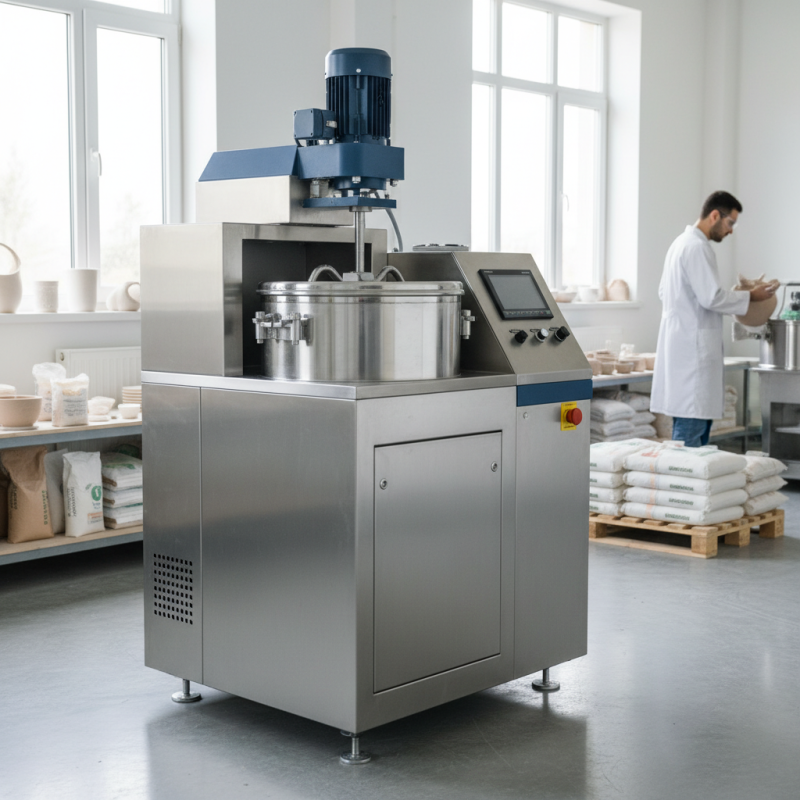
Essential Tips for Choosing a Ceramic Mixer Machine?
Choosing the right ceramic mixer machine can be a daunting task. Various models come with different features and capabilities. It's vital to understand what suits your needs best.
Consider the size and capacity of the machine. A larger capacity might be necessary for production. However, a smaller unit could be more efficient for smaller batches. Examine the mixing technology as well. Some machines offer advanced mixing methods that enhance performance.
It’s also important to think about durability and maintenance. A robust machine can save long-term costs. Choosing the wrong mixer may lead to complications. Each choice must align with your specific requirements and circumstances. Understanding these aspects ensures a more informed decision when selecting your Ceramic Mixer Machine.
Understanding the Basics of Ceramic Mixer Machines
Ceramic mixer machines play a crucial role in the production of ceramics. They facilitate the blending of materials, ensuring consistent quality. Understanding the basics helps improve operational efficiency. Reports indicate that over 70% of ceramic manufacturers prioritize mix uniformity. This fact highlights the need for careful selection when choosing a mixer.
When selecting a ceramic mixer, consider capacity and mixing speed. Many machines offer varying capacities, impacting production rates. A report from the Ceramic Industry Association reveals that machines with higher mixing speeds can cut processing time by up to 30%. However, faster isn't always better. Some customers find that increased speeds lead to uneven blends.
It's also essential to assess the machine's durability and maintenance needs. Many machines require regular upkeep, which can be costly. Potential buyers often overlook these factors. A study found that maintenance expenses account for 15% of total operational costs. This statistic emphasizes the importance of long-lasting machinery in maximizing budget efficiency. Choosing the right ceramic mixer is not just about performance, but about long-term sustainability.
Key Features to Consider When Selecting a Ceramic Mixer
When selecting a ceramic mixer machine, key features are critical. One important aspect is the capacity of the mixer. It should match your production needs. If your operation is small, a compact model may suffice. For larger batches, a high-capacity mixer is essential. Think about the space available too. A bulky machine might not fit well in a small workshop.
Another feature to consider is the type of mixing technology used. For a homogenous blend, look for machines that offer both dry and wet mixing options. You may want a machine that adjusts speed easily. This flexibility ensures better consistency in your mixtures. Check the durability of the materials used in construction. A sturdy machine will last much longer, but it may be more challenging to maintain.
Don't overlook the ease of cleaning. Complex designs might save time while mixing but can complicate cleaning. This could lead to cross-contamination in production. Reflect on your maintenance capabilities and support options for any potential repairs. A reliable mixer needs to be a balance of performance and practicality. Evaluate your specific needs carefully before making a choice.
Comparative Analysis of Different Mixer Types for Ceramics
When selecting a ceramic mixer machine, understanding the different types available is crucial. The most common types include planetary mixers, ribbon mixers, and drum mixers. Each type has unique characteristics suited for varying ceramic materials.
According to a recent industry report, planetary mixers are preferred for their ability to mix homogeneous batches. They can handle both wet and dry materials effectively. However, they may require more energy than other options. Meanwhile, ribbon mixers are known for efficiency, particularly in high-volume production. They excel at incorporating additives into the clay body but may leave some unmixed pockets.
Drum mixers, while simpler, are often less efficient. Their design can lead to inconsistent mixtures. Some studies indicate that they can produce variable results across different batches. Choose wisely to avoid these pitfalls. A thorough analysis of the mixer type’s capabilities can greatly enhance the final product quality.
Assessing the Material Durability and Quality in Mixers
When choosing a ceramic mixer machine, material durability and quality play a critical role. High-quality mixers are often made from robust materials like stainless steel or heavy-duty plastics. According to industry reports, mixers with durable components can last up to five years longer than their lesser counterparts. This longevity is tied directly to the quality of materials used.
Users should pay attention to specific features that enhance durability. For instance, look for reinforced mixing arms and heavy-duty gear systems. A mixer designed with thicker walls can withstand intense mixing sessions. The difference in performance is noticeable. Mixing consistency is crucial, especially in ceramic production, where uneven mixtures can lead to defects.
However, not all costly mixers guarantee quality. Some may use lower-quality materials that degrade quickly. It's essential to assess user reviews and technical specifications. Flaws in material quality are often uncovered over time. Manufacturers sometimes cut costs, leading to premature wear. It's a reminder that investing time in research is just as important as the financial investment itself. Prioritizing material quality can ultimately save time and money.
Evaluating Cost vs. Performance for Ceramic Mixer Machines
When choosing a ceramic mixer machine, understanding cost versus performance is crucial. Research indicates that the initial purchase price is only part of the overall investment. According to industry reports, maintenance and operational costs can account for around 30% of the total expenditure over time. Selecting a machine that offers both efficiency and durability can reduce long-term costs significantly.
Pay attention to the specifications. Factors like mixing capacity, energy consumption, and speed are vital. A machine with higher energy efficiency may cost more upfront but can save you money in electricity bills. Machines operating under 1000 watts can meet lower production needs efficiently, while those exceeding 2000 watts are better for larger operations. Always consider the scale of your production when making this decision.
Here are some tips: First, compare different models and their performance metrics. Check user reviews for insights into real-world performance. Look for machines that allow easy maintenance. Lastly, factor in warranty options for additional peace of mind. Keep in mind that cheaper models may lead to higher repair costs down the line, which is something worth reflecting on before making a choice.
Essential Tips for Choosing a Ceramic Mixer Machine
| Feature | Low-Cost Model | Mid-Range Model | High-End Model |
| Price Range | $500 - $1,000 | $1,000 - $2,500 | $2,500+ |
| Capacity (Liters) | 50 | 100 | 200+ |
| Power (kW) | 2 | 5 | 10 |
| Mixing Speed (RPM) | 100 | 200 | 400+ |
| Warranty (Years) | 1 | 2 | 5 |
| Control Type | Manual | Semi-Automatic | Fully Automatic |