Top 10 Masterbatch Fillers Buyers Should Consider?
In the evolving world of plastics, the choice of Masterbatch Fillers is crucial for manufacturers. With the global masterbatch market projected to reach $12 billion by 2025, selecting the right filler can greatly impact product performance and cost-efficiency. According to a recent report by Grand View Research, the demand for functional fillers is expected to grow significantly, driven by their ability to enhance properties like strength and durability.
Masterbatch Fillers not only improve the physical traits of plastics but also influence visual aspects. For instance, incorporating talc can enhance stiffness while maintaining light weight. However, manufacturers must navigate complex factors like compatibility and processing conditions. This requires a keen understanding of both material science and application needs. While the options are vast, reflecting on these choices is essential. Identifying inefficiencies or unexpected results can lead to improvements in formulation.
Crafting optimal formulations demands a balance between cost and performance. With emerging technologies, selecting the best Masterbatch Filler is more critical than ever. The wrong choice could lead to subpar products, waste, or higher production costs. It is vital for buyers to evaluate products not just based on technical specifications but also on long-term implications.
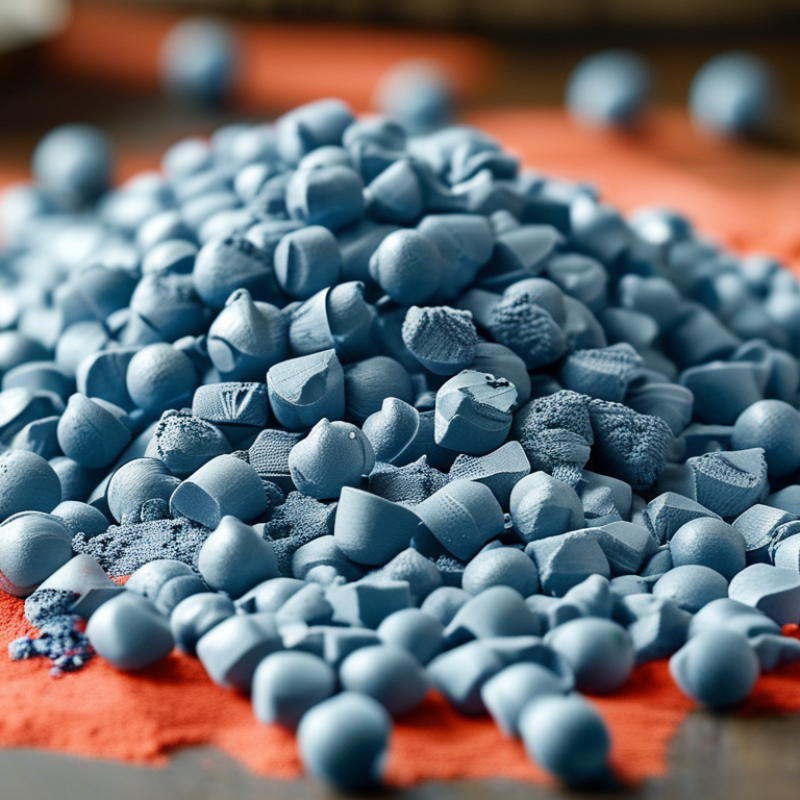
Top 10 Masterbatch Fillers Buyers Should Consider
When considering masterbatch fillers, buyers must evaluate multiple factors. Masterbatch fillers enhance the functionality of plastic products. They can improve color, strength, and resistance to UV rays. Finding the right filler is crucial for production effectiveness.
Tips to consider include assessing compatibility with your base polymer. Not all fillers work well with every polymer. Conducting trials can reveal how well a filler performs. Additionally, consider the processing temperature and potential impact on your end product. Some fillers may cause degradation if heated too much.
Quality assurance is important. Look for suppliers who offer consistent quality checks. Transparency in sourcing and manufacturing processes builds trust. A well-documented product specification can guide you in making informed decisions. Rely on reputable sources for product data to ensure reliability. Remember, the right choice can save time and cost in the long run.
Top 10 Masterbatch Fillers Buyers Should Consider
Overview of Masterbatch Fillers: Types and Applications in Industry
Masterbatch fillers play a crucial role in various industries. They enhance the properties of plastics, improving functionality and aesthetics. Each type of filler offers unique advantages, serving different purposes. Common fillers include calcium carbonate, talc, and silica. These materials can boost strength, reduce costs, and improve processing.
When selecting a masterbatch filler, consider the application's specific needs. Certain fillers might affect the end-product's mechanical properties. For example, talc can improve stiffness, while calcium carbonate enhances brightness. However, choosing the wrong filler may lead to unwanted outcomes, such as reduced impact resistance. Understanding material compatibility is essential to avoid issues.
Tips to remember: Always test the filler in your formulation before full-scale production. An evaluation can save money and time in the long run. Also, keep in mind that filler concentration can impact the final product. Striking the right balance is key. Regularly revisit your filler choices to ensure they meet industry standards and evolving needs.
Key Factors Influencing Masterbatch Filler Selection for Buyers
When choosing masterbatch fillers, buyers must consider several key factors. The selection process is not just about cost but also about the performance and compatibility of fillers with various polymers. According to a recent market report, the global masterbatch market is projected to reach $13.2 billion by 2026, driven by the rising demand for high-quality plastic products.
One crucial factor is the application of the masterbatch. Fillers can significantly influence the mechanical properties of the final product. For example, calcium carbonate is often used for its cost-effectiveness and strength properties. However, it may not provide the same UV resistance as specialized fillers. Additionally, the required filler loading can affect the processing characteristics, performance, and surface appearance. Buyers should conduct thorough trials, as not all fillers perform equally under different manufacturing conditions.
Another consideration is the environmental impact of fillers. Sustainable options like bio-based fillers are gaining popularity. Industry data indicates that eco-friendly options are expected to grow at a rate of 10% annually. Yet, these materials may present processing challenges. This dilemma raises questions about balancing sustainability and performance, leading buyers to explore innovative solutions. Understanding these trade-offs is crucial for making informed decisions in the masterbatch filler selection process.
Top 10 Masterbatch Fillers Buyers Should Consider
| Filler Type | Key Properties | Common Applications | Cost Effectiveness | Environmental Impact |
| Calcium Carbonate | Improves stiffness and reduces costs | Packaging, automotive parts | Highly cost-effective | Low environmental impact |
| Talc | Enhances impact resistance and heat stability | Consumer goods, electrical applications | Moderately cost-effective | Moderate environmental considerations |
| Glass Fiber | Increases tensile strength and durability | Construction, automotive | Higher cost but valuable for performance | Can be recycled, require careful disposal |
| Wood Flour | Biodegradable and improves impact strength | Natural composites and flooring | Cost-effective as a renewable resource | Low environmental impact |
| Barium Sulfate | Increases opacity and gloss properties | Coatings, plastics | Moderate cost for high-quality fillers | Low toxicity |
| Clay | Enhances viscosity and strength | Paper, coatings | Very low cost | Natural and eco-friendly |
| Carbon Black | UV protection and improves conductivity | Rubber, plastics | Cost varies based on grade | Potentially harmful if not managed |
| Silica | Improves processability and reinforces | Rubber, coatings | Moderate cost | Low environmental impact |
| Metallic Fillers | Enhances electrical conductivity and thermal resistance | Electronics, automotive | Higher cost | Can be recycled |
| Recycled Fillers | Sustainable and reduces waste | Various applications | Cost-effective and sustainable | Very low impact if properly sourced |
Market Trends: Growth Projections and Demand for Masterbatch Fillers
The demand for masterbatch fillers is on the rise, influenced by various industry trends. According to a recent market analysis by Smithers, the global masterbatch market is projected to grow at a CAGR of 5.3% through 2026. This growth is driven by increased applications in packaging, automotive, and consumer goods sectors. Key factors include the push for lightweight materials and the integration of advanced additives that enhance performance.
In 2022, the Asia-Pacific region dominated the market, accounting for over 35% of the total share. China and India are significant contributors due to their booming manufacturing industries. However, challenges remain, including fluctuating raw material prices and environmental concerns regarding plastic usage. Companies are urged to consider sustainable practices as consumer awareness grows. Innovations in bio-based and biodegradable fillers are gaining traction, but the technical feasibility often falls short of expectations.
Manufacturers are investing heavily in research and development to meet these demands. Analysts estimate that investments in sustainable fillers could rise by 25% over the next few years. However, achieving a balance between cost efficiency and sustainability remains a challenge. Companies must adapt to these evolving market dynamics to maintain competitiveness while addressing these critical concerns.
Environmental Considerations: Sustainable Options in Masterbatch Fillers
When considering masterbatch fillers, sustainability increasingly becomes a focal point. Many fillers contain additives that can be harmful to the environment. Shifting to sustainable options can significantly reduce ecological impact. Biodegradable fillers are gaining traction in the industry. These options decompose more easily, minimizing their long-term footprint.
Recycling is another vital aspect. Fillers derived from recycled materials can lower waste. Using recycled content also promotes a circular economy. However, not all recycled fillers meet performance standards. Potential buyers must evaluate these options carefully. They should seek reliable suppliers who adhere to sustainability practices. Transparency in sourcing materials plays a key role in ensuring authenticity.
Compromise may occur when prioritizing sustainability. Some eco-friendly materials might not offer the same performance as traditional fillers. This doesn’t mean abandoning sustainable choices. Regular assessments of material performance and environmental impact are necessary. The pursuit of the ideal balance between sustainability and functionality continues to be a work in progress.
Conclusion
The article "Top 10 Masterbatch Fillers Buyers Should Consider" provides a comprehensive overview of the essential aspects of masterbatch fillers in various industries. It begins by detailing the types and applications of masterbatch fillers, highlighting their significance in enhancing product performance. The discussion then shifts to key factors that influence buyers' selection processes, such as compatibility, cost, and the specific requirements of their projects.
Additionally, the article explores current market trends, including growth projections and increasing demand for masterbatch fillers, while also addressing the crucial aspect of environmental considerations. Sustainable options in masterbatch fillers are emphasized, reflecting the industry's shift towards eco-friendliness. Lastly, it covers performance metrics to help buyers evaluate the quality and cost-effectiveness of different fillers, ensuring they make informed decisions that align with their operational needs.