
2026 Top Micro Drill Hard Coating Machine Types?
A micro-drill can look perfect under a lamp and still fail after a few holes. The coating system behind it matters. A Micro-Drill Hard Coating Machine must deposit a thin, even layer across tiny flutes and cutting edges without blunting them. Chamber design, temperature control, fixtures, and process stability all affect the result. Small differences show up quickly.
Donald M. Mattox is a recognized authority on physical vapor deposition. A fair paraphrase of his published work is: “A coating process must fit the material, the part, and its intended use.” That principle guides this overview, rather than a one-size-fits-all ranking. The main machine types include cathodic arc, magnetron sputtering, and hybrid PVD systems. Each has trade-offs in deposition rate, droplet control, coating uniformity, and operating cost. The best choice depends on drill diameter, substrate, production volume, and the coating required.
Look closely at the details. Can the fixture hold drills securely? Does the system control heat near the cutting edge? Are maintenance and process records clear? These questions matter more than a polished brochure. This guide compares the leading machine types for 2026 and explains where each may suit a real production line. Some specifications are not directly comparable across suppliers. That deserves caution. A careful trial on representative drills remains essential.
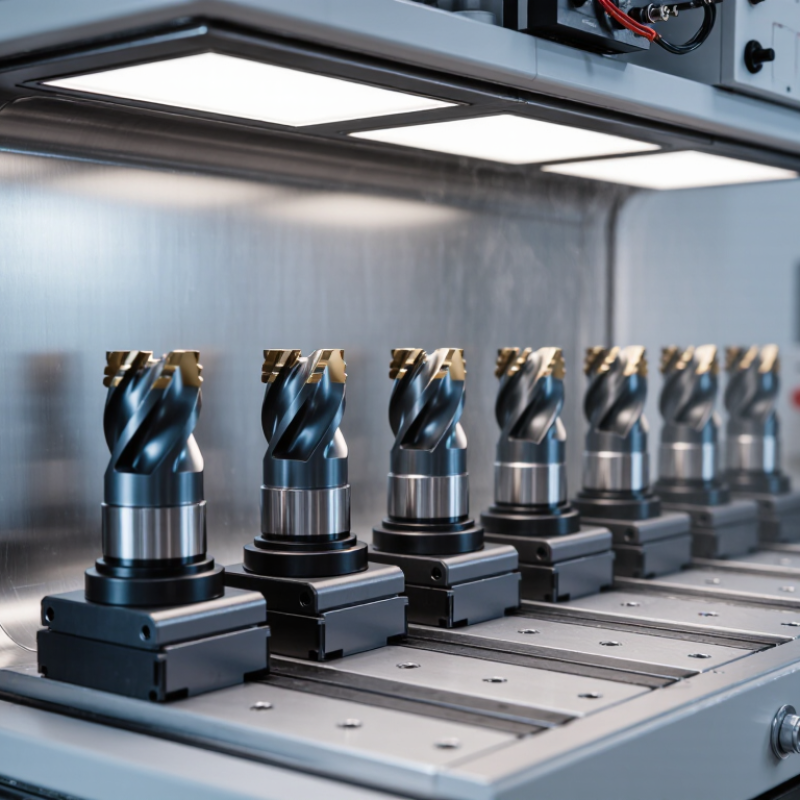
Micro Drill Hard Coating Machines: Purpose and Basic Operating Principles
Micro drill hard coating machines apply a thin protective layer to tools used for small, precise holes. The coating can reduce friction and slow wear at the cutting edge. This matters when a drill, sometimes thinner than a sewing needle, meets abrasive material or runs at high speed. A coating cannot correct a blunt edge or poor alignment. Not magic.
Many systems use physical vapor deposition in a sealed chamber. Operators clean the drills, mount them on holders, and set the batch to rotate for more even exposure. After air is removed, a source releases coating material into a controlled gas environment. Electrical energy helps form a plasma, and the material deposits onto the drill surfaces. Temperature, pressure, rotation, and coating time all affect the result.
The goal is a consistent, very thin layer that protects without rounding the cutting edge or closing tiny flute spaces. Too much coating can change tool dimensions; uneven coverage may leave vulnerable spots. Process checks often include coating thickness, adhesion, and inspection under magnification. A bright color alone proves little. Small details matter. In practice, setup may need adjustment for different drill shapes, and even a carefully controlled cycle can produce imperfect coverage in hard-to-reach areas.
2026 Top Micro Drill Hard Coating Machine Types: Purpose and Basic Operating Principles
| Machine Type | Basic Operating Principle | Common Coating Examples | Purpose and Micro Drill Applications | Key Operating Considerations |
|---|---|---|---|---|
| Cathodic Arc PVD System | An electric arc vaporizes material from a solid cathode in a vacuum. The vaporized, ionized coating material travels to rotating or otherwise fixtured drills and forms a thin film. | TiN, TiAlN, AlTiN, and CrN | Applies wear-resistant coatings to drills used in metal cutting. It is commonly selected when a hard coating and strong adhesion are required. | Arc droplets can create surface particles, so filtering and process control may be used. Fixture design and drill rotation help promote coating coverage on flutes and cutting edges. |
| Magnetron Sputtering PVD System | Plasma ions strike a solid target and eject atoms from its surface. Those atoms travel through the vacuum chamber and condense on the drill as a coating. | CrN, TiN, and selected multilayer or alloy films | Provides thin, relatively smooth coatings for small tools where surface finish and controlled film growth are important. | Coating coverage depends on tool positioning, rotation, and chamber geometry. The deposition rate and film properties depend on target material, gas composition, and power settings. |
| HiPIMS PVD System | High-power pulses are applied to a magnetron target, producing a highly ionized metal flux. The ionized coating material is directed toward the tool surface during deposition. | Dense CrN, TiN, and other metal-nitride coatings | Can be used when dense films and carefully controlled coating properties are desired for demanding micro-drilling applications. | Pulse settings, substrate bias, and fixturing affect film stress, adhesion, and coverage. The process requires specialized power control and recipe development. |
| Plasma-Assisted CVD (PACVD/PECVD) System | Reactive gases are activated by plasma, allowing a coating to form through chemical reactions at the tool surface. Plasma activation can support deposition at lower temperatures than conventional thermal CVD, depending on the process. | Diamond-like carbon (DLC) and selected carbon-based films | Used where low friction or reduced material adhesion is useful, subject to compatibility with the workpiece material and cutting conditions. | Gas chemistry, plasma conditions, and substrate temperature influence coating composition and performance. Coating suitability should be validated for the specific drill and work material. |
| Thermal CVD System | Reactive gases flow around heated tools and chemically react at their surfaces to deposit a coating. The process relies primarily on thermal activation. | TiC, TiCN, and Al2O3 in applicable tooling processes | Can produce wear-resistant coatings for cutting tools, but it is less commonly selected for very small drills when its process temperature or coating characteristics are unsuitable. | Thermal exposure and coating thickness must be considered for small-diameter tools. Tool material, geometry, and edge preparation influence whether the process is appropriate. |