2026 Top Multi Hole Drilling Machine Types for Buyers
Choosing a Multi Hole Drilling Machine starts with understanding the parts and production demands. In 2026, buyers can compare multi-spindle units, CNC-controlled systems, line-boring machines, and dedicated setups for repeated hole patterns. The right type depends on workpiece size, material, hole diameter, spacing, and expected output. A cabinet shop drilling rows in plywood has different needs from a metalworking line producing steel plates. Small details matter.
Before comparing models, consider how parts will be loaded, clamped, and measured. A machine that drills several holes at once may shorten cycle time, but only if its spacing and tooling suit the actual job. Check spindle configuration, adjustment range, feed control, guarding, service access, and available technical support. Ask suppliers for a demonstration using representative workpieces, not just a polished sample. Fit comes first. Buyers can also compare setup time, operator training, footprint, and the cost of changing drills or fixtures. These practical checks help narrow the choices without relying on a headline speed figure.
This guide explains the leading machine types and the applications they generally serve. It also highlights trade-offs, because no configuration is ideal for every workshop. A high-capacity system may be unnecessary for short runs, while a simpler machine can become limiting as product variety grows. It is easy to focus too much on speed. Review the full workflow, confirm specifications with the manufacturer, and leave room for what your production needs may become.
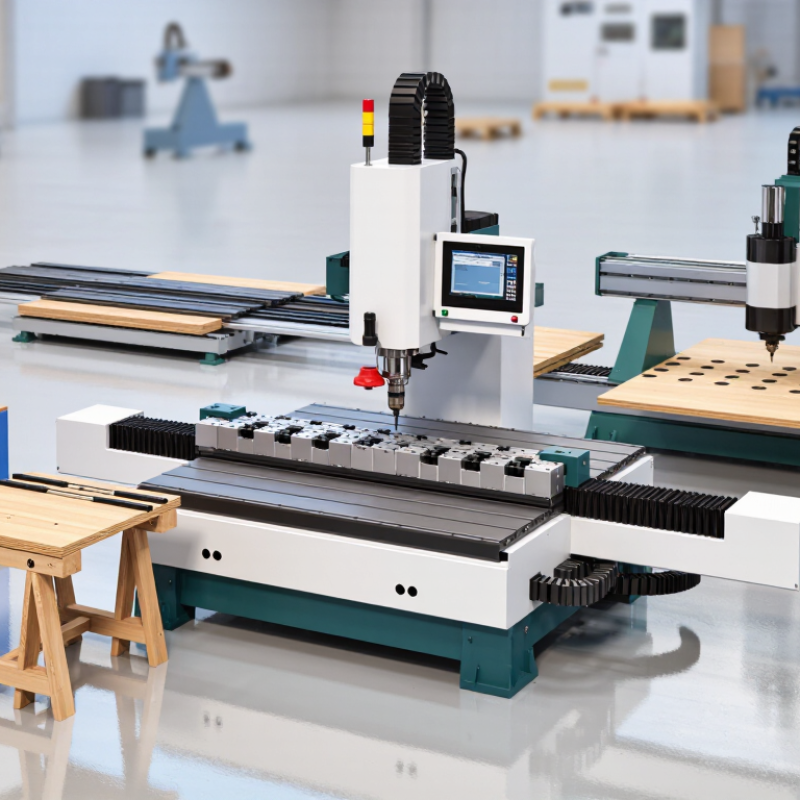
What Multi-Hole Drilling Machines Are and How They Work
A multi-hole drilling machine makes several holes in one workpiece during a single setup. It uses multiple drill heads, or spindles, positioned to match a planned hole pattern. Some machines have fixed spacing; others allow operators to adjust spindle positions. A jig or fixture holds the workpiece steady against cutting pressure. That detail matters.
During a typical cycle, a motor turns the spindles while the machine feeds the drill bits into the material. Depending on the design, the feed may be manual, pneumatic, or mechanically controlled. Operators choose suitable speeds, feed rates, and depth stops based on the material and bit size. Chips must clear the holes, or heat and rough edges can result. The workpiece is then released and checked for spacing and depth.
These machines are useful when repeated hole patterns need consistent placement across many parts. A loose fixture, worn bit, or incorrect setup can still produce misaligned holes, even when all spindles run together. Not every pattern fits. Before production, operators commonly test a sample and measure the results. Setup takes time, and adjusting several heads can be less straightforward than expected.
Main Types of Multi-Hole Drilling Machines Available in 2026
Fixed multi-spindle drilling machines use several spindles to drill a set pattern in one cycle. They suit repeat parts such as plates, brackets, and cabinet panels. Spindle spacing may be adjustable, but setup still matters. Check the hole pattern, workpiece size, and required depth before choosing one. Spacing matters.
Gang drilling machines place separate drilling heads along a shared table. Operators can move a part from one station to the next for different hole sizes or operations. This arrangement works well for steady production runs, though it uses more floor space than a compact unit. A CNC multi-spindle machine adds programmed positioning and can handle changing patterns with less manual repositioning. It may be a better fit for varied batches, but programming and setup skill affect actual output.
Some buyers use a multi-spindle attachment on a standard drill press, especially for smaller runs or limited budgets. It can be practical, but it is not automatically equivalent to a purpose-built machine; rigidity, feed control, and chip clearance all influence hole quality. One detail is easy to miss. Compare the machine’s usable spindle range with the materials and drills you expect to run, then test a representative part if possible. A neat sample matters more than a promising catalogue figure.
2026 Top Multi-Hole Drilling Machine Types for Buyers
Example spindle counts by machine configuration
Multi-spindle heads and gang-drilling setups can drill several holes in one cycle. The counts shown are representative configurations, not fixed limits; available spindle counts vary by machine design and application.
Key Components and Features That Distinguish Each Type
A gang drilling machine places several independent spindle units along one worktable. Each station can perform a different operation, such as drilling, reaming, or tapping. Its defining parts include separate motors, adjustable work stops, and a shared fixture. It suits repeat jobs where the workpiece moves from station to station. Setup is straightforward, but changing hole patterns can take time.
A multi-spindle head drives several drills from one motor through gears or belts. Fixed spindle spacing supports fast, consistent hole patterns; adjustable heads allow more flexibility but need careful setup. Check spindle spacing, feed control, and coolant access. Small details matter. A crowded head may leave little room for chip removal.
CNC multi-hole machines coordinate spindle movement and workpiece positioning through programmed controls. Their motion system, tool holders, sensors, and clamping fixture help manage varied patterns and repeatable positioning. They can reduce manual repositioning, though programming and maintenance require capable operators. A spec sheet rarely shows the whole story. Ask how the machine handles your actual material, hole depth, and production pace before comparing cycle-time claims.
Materials and Applications Matched to Different Machine Types
Choosing a multi-hole drilling machine starts with the material and the hole pattern. For plywood, MDF, and solid wood panels, a fixed multi-spindle machine can drill repeated rows quickly. Operators should check spindle spacing, panel support, and dust extraction. Thin boards may splinter if the feed is too aggressive. Setup still matters.
For aluminum profiles and other nonferrous metals, a CNC multi-spindle machine offers adjustable hole spacing and controlled feed. Sharp, material-appropriate bits and suitable lubrication help limit heat and burrs. Steel parts often need a rigid frame, secure clamping, and slower cutting parameters. A machine suited to light sheet metal may struggle with thick stock. Check the workpiece range before buying.
Plastics, including acrylic sheets, need careful heat control because excess friction can soften or chip the edge. A programmable machine can repeat varied hole layouts, while a dedicated fixed-head unit may suit stable, high-volume patterns. Match the number of spindles to actual production needs, not the largest figure on a specification sheet. Small details count. Test representative material and thickness before committing; published capacity alone rarely reveals vibration, chip removal, or fixture limitations.
How to Compare Machine Types for Your Production Needs
2026 Top Multi Hole Drilling Machine Types for Buyers
Choosing a machine starts with the hole pattern, not the catalogue description. A fixed multi-spindle head suits repeat parts with stable spacing, such as mounting plates or cabinet panels. It can drill several holes in one cycle. But a design change may require new tooling or adjustments. For frequent product changes, that limitation matters.
Adjustable-head machines offer more flexibility. Operators can reposition spindle units to match different hole layouts, though setup takes time and spacing accuracy should be checked after each change. CNC drilling machines suit varied programs and tighter control over position. They may be excessive for a single, high-volume pattern. Compare cycle time with setup time, not just the number of holes per pass. Both affect output.
Production volume and material also shape the decision. A short run in aluminum may need different feed settings from a long run in hardwood or steel. Ask suppliers to test your actual workpiece, drill size, hole depth, and required tolerance. Watch chip removal and clamping during the trial; a clean sample alone does not prove reliable production. Some buyers focus too much on maximum spindle count. That can be a mistake. Check tool-change access, maintenance space, and how quickly an operator can verify the first part after setup.