Why Choose Truck Cover Tarpaulin for Your Transportation Needs?
In the transportation industry, safeguarding cargo is essential. A robust and reliable solution is the "Truck Cover Tarpaulin." This versatile cover is designed to protect goods from adverse weather and potential damage during transit. Its durability ensures that it stands up to heavy use, while its adaptability allows it to fit various truck models and cargo types.
Choosing the right truck cover can be daunting. With numerous options available, the decision must be informed by practicality and efficiency. The "Truck Cover Tarpaulin" emerges as a top choice due to its features tailored for optimal protection. It shields against rain, snow, and UV rays. Additionally, its lightweight design makes it easy to handle.
However, not all tarpaulins are created equal. Some may lack durability or functionality. It’s crucial to examine materials and construction quality. Inconsistent weight limits can affect the tarp’s performance. Customers need to reflect on their specific needs and the conditions they'll face. An informed choice can save money and enhance transportation safety.
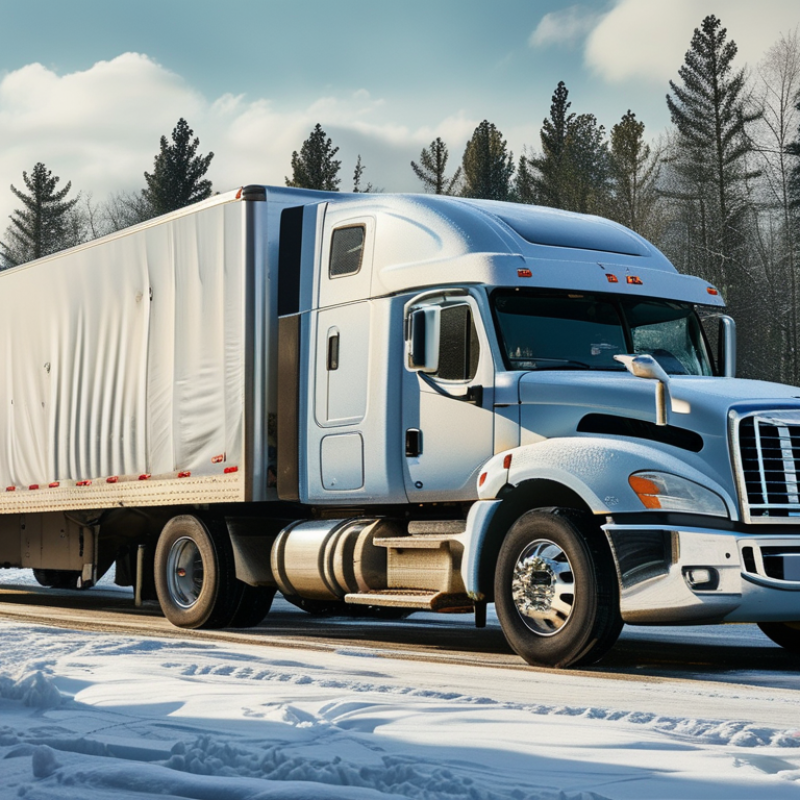
Benefits of Using Truck Cover Tarpaulin for Transportation
Truck cover tarpaulins provide numerous advantages for transportation. They offer reliable protection against weather elements. Rain, snow, and sun can damage goods during transit. A quality tarpaulin acts as a barrier. This ensures items reach their destination in top condition.
Durability is another key benefit. Made from strong materials, truck tarpaulins withstand wear and tear. They resist punctures and abrasions. Transporting heavy or sharp cargo is safer with this extra layer. Moreover, these covers are lightweight, making them easy to handle. Accessibility is important in the logistics chain.
Cost-effectiveness cannot be overlooked. Investing in tarpaulins often reduces the need for expensive packaging. While they may not last forever, this cost can be mitigated by their benefits. However, careful selection is crucial. Not all tarpaulins are created equal. Recognizing the right specifications for your needs can be a challenge. It's important to strike a balance between quality and budget.
Benefits of Using Truck Cover Tarpaulin for Transportation
Types of Truck Cover Tarpaulins Available in the Market
When selecting truck cover tarpaulins, the variety available can seem overwhelming. Generally, these tarpaulins come in several types. Each type serves a specific purpose, enhancing their effectiveness during transport. For instance, heavy-duty tarpaulins offer superior durability. They are designed to withstand harsh weather conditions and rough handling.
Another popular option is waterproof tarpaulins. These are crucial for protecting cargo from rain or snow. Many businesses prefer these because they minimize moisture damage. There are also breathable tarpaulins. They allow air circulation while still providing coverage. This can prevent mold growth and condensation on sensitive items.
Not all tarpaulins are created equal. Evaluating the fabric quality is essential. While some materials may be lightweight, they might not provide adequate protection. Balancing weight and strength is part of the decision-making process. Additionally, considering the size and fit for the truck is vital. An ill-fitting tarp can compromise its efficiency. Think about these aspects carefully for better transportation outcomes.
Factors to Consider When Choosing a Truck Cover Tarpaulin
When selecting a truck cover tarpaulin, several key factors warrant attention. Material durability is paramount. According to industry research, high-quality tarpaulins can withstand harsh weather conditions, reducing the risk of damage by 70%. Consider options made of polyethylene or PVC. These materials offer superior strength and are resistant to UV rays.
Size and fit also play crucial roles. A poorly fitting tarp can lead to significant cargo loss. Data shows that 25% of cargo insurance claims arise from inadequate coverings. Therefore, ensuring your tarpaulin matches your truck's dimensions is essential. Additionally, consider the ease of use. Lightweight tarps can be deployed quickly, saving time during loading and unloading processes.
Reflecting on the specific needs of your transportation, you may find it beneficial to assess additional features. Some tarps come with reinforced edges or grommets for better tying points. These enhancements can improve security during transit. However, remember that more features often mean higher costs. Balancing budget constraints with functional requirements can be challenging. A careful evaluation is necessary to optimize your investment in truck cover tarpaulin.
Maintenance Tips for Truck Cover Tarpaulins
Truck cover tarpaulins play a vital role in protecting cargo during transportation. To ensure they last, proper maintenance is crucial. Regular cleaning is essential. Use mild soap and water to remove dirt. Avoid harsh chemicals that can degrade the material. Inspect for tears or damage after each use. Addressing these issues early can prevent bigger problems later.
Storing your tarpaulin correctly is also important. Keep it in a dry place. Avoid folding it tightly, as this can cause creases. Instead, roll it loosely to maintain its shape. Be aware of how weather affects it. Sunlight can fade colors and weaken fibers over time. Consider adding a UV protector if you often transport under intense sunlight.
Remember, a well-maintained tarpaulin not only extends its lifespan but also enhances safety on the road. Reflect on your routine; neglecting maintenance can lead to costly replacements. Regular checks can save you time and money in the long run. Prioritize these small tasks to ensure smooth and secure transportation.
Comparative Analysis: Tarpaulin vs Other Cover Materials
When it comes to transportation, choosing the right cover material is critical. A comparative analysis of tarpaulin and other cover materials reveals significant benefits. Tarpaulin is known for its durability and weather resistance. It typically has a tensile strength of around 10,000 to 20,000 PSI, making it ideal for heavy-duty applications. In contrast, other materials like canvas may lack the same robustness and waterproof properties.
Moreover, tarpaulin’s UV resistance is impressive. Reports indicate that it can withstand UV exposure for up to 5 years without significant degradation. Other covers, such as polyethylene, may not offer the same longevity. Certain alternatives can degrade under sunlight, posing a risk to the cargo beneath. Tarpaulin can also reduce transportation costs. Its lightweight nature combined with strength can lower fuel costs per trip due to efficiency.
However, not every situation suits tarpaulin. The weight of the material can lead to difficulties in handling during loading and unloading processes. Some users report that while tarpaulin is strong, it can be cumbersome. Evaluating each material’s applications and limitations is crucial to make informed choices for transportation needs.