What is a Tube Laser Cutting Machine and How Does It Work?
The tube laser cutting machine has transformed the manufacturing landscape. According to a recent industry report, the global tube laser cutting machine market is projected to reach $2.5 billion by 2027. This growth is driven by rising demand for precise and efficient cutting in various sectors, including automotive and construction. John Smith, an expert in laser technology, emphasized, “The precision and speed of tube laser cutting machines can significantly reduce production costs.”
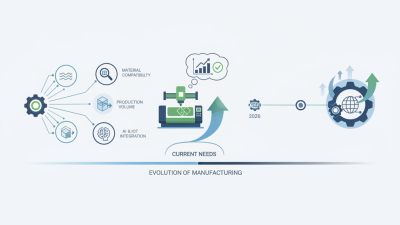
As industries evolve, the need for versatile cutting solutions is paramount. Tube laser cutting machines excel in accuracy, reducing material waste and enhancing productivity. With the ability to cut complex geometries, these machines cater to a diverse range of applications. However, the technology is not without challenges. Initial investment costs can be high, and skilled operators are necessary for optimal performance.
The trend towards automation complicates this further. While many companies are adopting tube laser cutting machines, some still hesitate due to the steep learning curve. Effectively integrating this technology into existing workflows demands commitment and resources. The future of manufacturing could see more companies overcoming these hurdles, realizing the full potential of tube laser cutting machines.

What is a Tube Laser Cutting Machine?
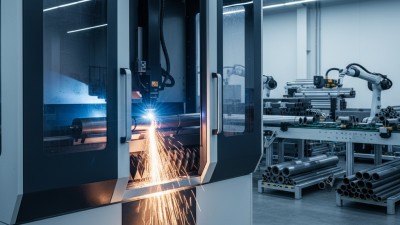
A tube laser cutting machine is an advanced tool used to cut various materials with precision. It primarily focuses on tubes and pipes, making it essential in industries like automotive and aerospace. These machines use a focused laser beam to melt or vaporize the material along a specific path. This process results in clean, precise cuts with minimal waste.
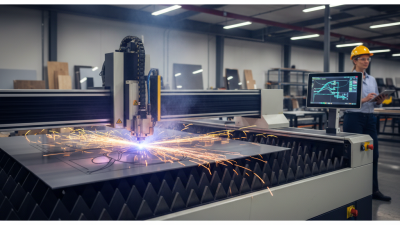
In operation, the machine moves the laser head along the tubing while maintaining the right focal distance. Operators need to set parameters such as speed and power. If not adjusted correctly, the results may vary. Sometimes, operators face challenges like unexpected burn marks or imprecise cuts. These issues can stem from inadequate material setup or machine calibration.
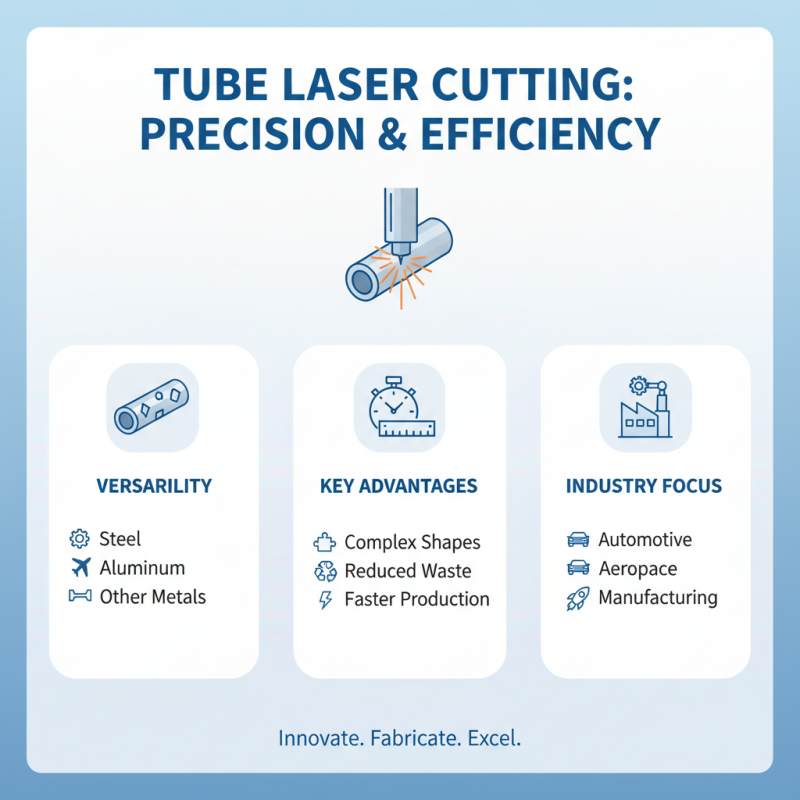
The versatility of tube laser machines allows them to work with materials like steel, aluminum, and brass. This makes them valuable for custom projects. However, the technology requires constant learning. Mistakes can happen, leading to a need for refinement. Practicing on different materials and understanding the machine’s quirks can foster improvement. Over time, operators can achieve greater control and produce exceptional results.
Key Components of a Tube Laser Cutting Machine
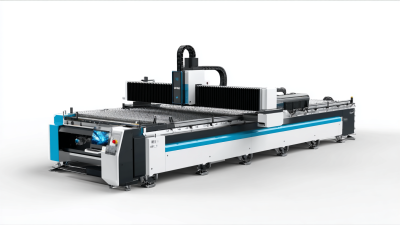
A tube laser cutting machine is a precise tool for cutting metal tubes and pipes. Its key components play a vital role in its functionality. The laser source generates a focused beam of light. This beam is directed through a series of optics to ensure accuracy. The system requires a good-quality lens. Without it, the cut may not be as clean.
The machine also includes a motion system. This system moves the laser head along the tube. It often uses servo motors for smooth operation. A solid frame supports the entire structure, ensuring stability during cutting. Different materials require different cutting speeds. Operators need to adjust settings based on the thickness and type of material.
Moreover, the software controlling the machine is crucial. It defines the cutting paths and parameters. If programmed incorrectly, the results can be disappointing. It's important to verify setups before running the machine. Regular maintenance of the components is essential. Neglect can lead to wear and diminished performance over time. Every component interacts to create an efficient cutting process.
Operating Principles of Tube Laser Cutting Technology
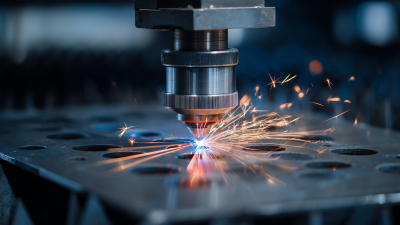
Tube laser cutting technology employs a focused laser beam to cut through various materials. The operating principle is based on the interaction between the laser light and the workpiece. As the laser beam hits the surface, it heats the material rapidly. The high temperature causes the material to melt or vaporize. This process allows for precise cuts with minimal heat-affected zones.
Computer numerical control (CNC) systems play a crucial role. They guide the laser head across the material, allowing for intricate designs and shapes. The movement is programmed to achieve exact dimensions. Precision is key in tube cutting applications. However, challenges arise in complex geometries. The machine may struggle to maintain alignment due to the material's reflective properties.
Operators need to monitor the cutting process closely. Regular adjustments ensure optimal performance. Sometimes, the cutting speed might be too fast, leading to incomplete cuts. Reflecting on these issues leads to improvements in technique and technology. Continuous development in laser systems aims to address such shortcomings, enhancing efficiency and accuracy in tube cutting.
Applications of Tube Laser Cutting Machines in Industry
Tube laser cutting machines are widely used across various industries due to their precision and efficiency. They excel in cutting materials like steel, aluminum, and other metals into complex shapes. This capability is vital in sectors such as automotive and aerospace. Many companies use these machines to produce intricate components, significantly reducing waste and improving production speed.
In construction, tube laser cutting enhances the fabrication of structural components. For instance, it allows for the precise cutting of beams and columns, which ensures better fitting. Moreover, industries like furniture manufacturing benefit from tube lasers for creating stylish and functional designs. The clean cuts minimize the need for finishing, saving both time and resources.
However, the technology is not without challenges. The initial investment for tube laser cutting machines can be substantial. Additionally, operators must be skilled to maximize efficiency. Without proper training, mistakes can occur, resulting in wasted material and time. Industries must weigh the benefits against these potential downsides. Understanding both sides is essential for responsible adoption of this innovative technology.
Advantages of Using Tube Laser Cutting Over Traditional Methods
Tube laser cutting machines offer significant advantages over traditional cutting methods. One key benefit is precision. These machines can create intricate designs with minimal waste. This efficiency saves both material and money. Compared to mechanical cutting, tube lasers work faster and more accurately. This speed can enhance production times.
Another advantage is versatility. Tube lasers can cut various materials, including metals, plastics, and composites. This flexibility allows businesses to meet diverse customer needs. The cutting process is often cleaner, resulting in a neater finish. But, equipment maintenance is essential to retain this quality.
**Tip:** Regularly inspect and calibrate your laser cutting machine. Even minor adjustments can significantly impact accuracy.
Additionally, tube laser cutting reduces the risk of damage to materials. With traditional methods, rough edges and deformations can occur. Yet, laser cutting minimizes these issues. However, operators must be trained properly. Misuse can lead to subpar results.
**Tip:** Invest in training for your team. It pays off in the long run by preventing common mistakes.
Advantages of Tube Laser Cutting Machines Over Traditional Methods