2026 How to Use Laser Etching for Perfect Results?
Laser etching has gained popularity for its precision and versatility. This technique allows for intricate designs on various materials. From wood to metal, the possibilities are vast. However, achieving perfect results is not always easy. The process requires careful planning and execution.
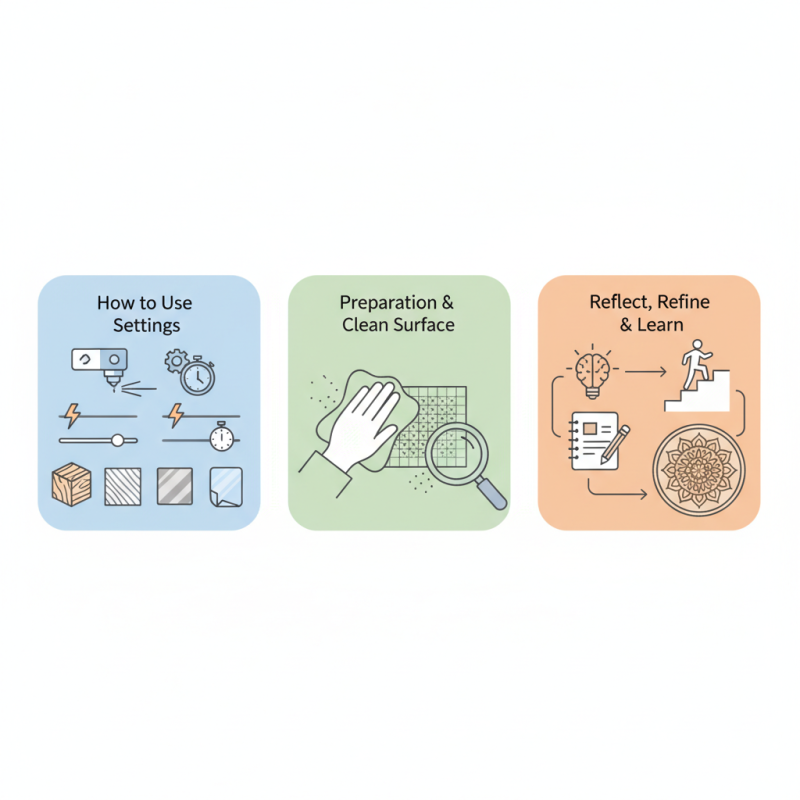
Proper settings are crucial for success. The speed and power settings of the laser machine must match the material used. A common mistake is using incorrect parameters, leading to unsatisfactory outcomes. Many novice users often overlook this aspect. They might rush the process without understanding their material.
In addition, preparation is key. Cleaning the surface can prevent imperfections. Dust and grime can ruin a flawless etch. Small details may get lost if not accounted for. It's essential to take the time to reflect and refine your approach to laser etching. By embracing the learning curve, you can achieve impressive results.
Introduction to Laser Etching Technology
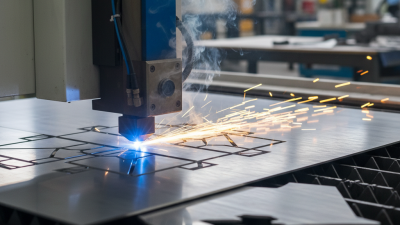
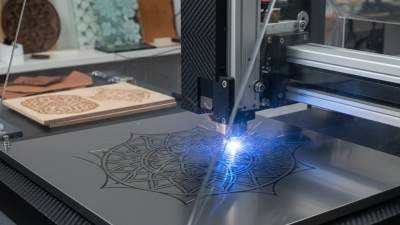
Laser etching technology has revolutionized the way we personalize and create unique designs on various materials. This process involves using a focused laser beam to remove material, leaving behind intricate patterns. It can be applied to wood, metal, glass, and more. The versatility of this technology enables endless creative possibilities. However, achieving perfect results can require practice and experimentation.
Tip: Choose the right material. Some materials etch better than others. For example, soft woods yield clearer designs, while hard metals can sometimes blur details. Testing on sample pieces is essential.
One of the challenges of laser etching is maintaining consistent settings. Variations in speed and power can lead to uneven results. A common mistake is not adjusting for different material thicknesses. Each piece needs careful calibration. Pay close attention to your machine's specifications and adjust accordingly.
Tip: Keep your workspace organized. A tidy area helps prevent mistakes and promotes focus. Small distractions can lead to significant errors during the process. Always clean the material before etching to achieve the best results.
Basic Principles of Laser Etching
Laser etching is an innovative method for customizing surfaces. Understanding the basic principles helps achieve excellent outcomes. This technique uses focused laser beams to remove material from a surface. The result is a precise and often intricate design. One important aspect is the choice of materials.
Wood, metal, and glass react differently to laser etching. Each material absorbs the laser light uniquely, affecting the final look.
Precision is key in achieving perfect results. Adjusting the laser's power and speed can significantly change the outcome. For instance, higher power can create deeper engravings. Conversely, slower speeds may lead to burning or distortion. It's vital to test settings on sample materials first.
Tips: Always conduct a thorough inspection of your work area. Maintain cleanliness to prevent unwanted particles from interfering with the etching process. Monitor the alignment of the laser to ensure consistency. Remember, imperfections can occur. They may even lead to learning opportunities in refining your technique. Track your results and adjust parameters accordingly to enhance your skills over time.
Choosing the Right Materials for Laser Etching
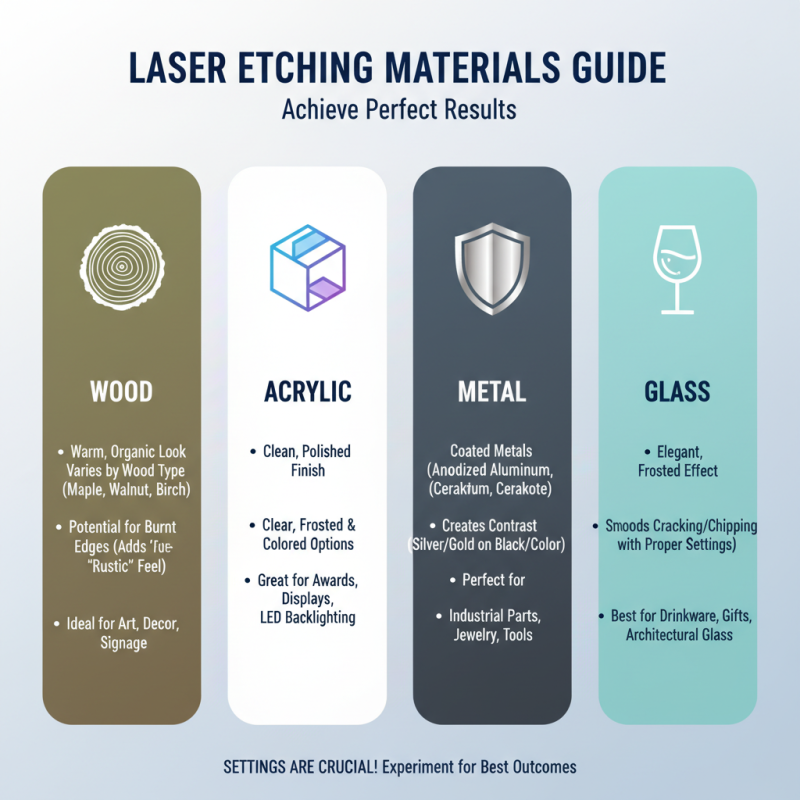
Choosing the right materials for laser etching is crucial for achieving perfect results. The material's type affects the clarity and durability of the engraving. Wood, acrylic, metal, and glass are popular choices. Each material reacts differently to laser settings. For instance, wood can produce burnt edges, which some may find appealing, while others might consider it a flaw.
When picking materials, consider their thickness. Thicker materials absorb more heat, leading to deeper engravings. Yet, this can also lead to unsightly charring. Thinner materials may offer cleaner results, but can be more challenging. Experimenting with different settings is vital. You may find the perfect combination only after several trials.
Tips: Always test on a scrap piece first. This small step can save time and resources. Pay attention to the laser power and speed settings. Sometimes, a minor adjustment can create a dramatic change. Lastly, remember that imperfections can also add character. Embrace the unique results that each material offers.
Step-by-Step Guide to Setting Up a Laser Etching Machine
Setting up a laser etching machine can be daunting. Begin by selecting a suitable space. Ensure it is well-ventilated. You will need a sturdy table for your machine. Position it near a power source. Keep the area organized and free of clutter.
Next, assemble the machine according to the manual. Follow each step carefully. Small errors can lead to big problems later. Check all connections. Any loose wires may cause malfunctions during operation. It’s wise to double-check your setup.
After installation, test the machine with scrap material. This step is essential for perfecting your technique. Adjust the speed and power settings based on the material. Remember, practice makes perfect. Sometimes, results may not meet expectations. Reflect on these outcomes to improve.
Laser Etching Performance Metrics
Tips for Achieving High-Quality Etching Results
Laser etching offers precision and versatility, making it a popular choice in various industries. To achieve high-quality etching results, it's crucial to consider factors such as material type and laser settings. According to a study by the Laser Institute of America, optimal laser power and speed can drastically improve the accuracy of the etching process. For instance, using lower power with a slower speed on acrylic can yield finer details compared to higher power settings that could lead to rough edges.
Surface preparation is another critical aspect. Materials must be clean and free from oils or dust. A 2021 report by Material Sciences highlighted that 75% of etching issues could be traced back to poor surface conditions. Engaging in multiple test etches can help identify the best settings. Ensuring consistency in parameters is vital, yet many practitioners overlook this, leading to unsatisfactory results. Understanding that even skilled operators have to adjust their methods can help mitigate errors.
Additionally, choosing the right focus and lens is essential for clarity and depth in etching. A report in Laser Focus World indicates that incorrect focal points can reduce engraving depth by as much as 30%. Experimenting with different lens types may reveal unexpected outcomes. Aiming for perfection is commendable, but acknowledging the learning curve in laser etching is necessary for long-term success.
2026 How to Use Laser Etching for Perfect Results? - Tips for Achieving High-Quality Etching Results
| Tip |
Description |
Recommended Material |
Optimal Settings |
| Clean Surface |
Ensure the surface of the material is clean and free from dust or oils. |
Wood, Glass |
Speed: 100 mm/s; Power: 80% |
| Proper Focus |
Adjust the laser focus to achieve the best detail and depth. |
Acrylic, Leather |
Speed: 200 mm/s; Power: 50% |
| Software Settings |
Use high-resolution images and properly set up your etching software. |
Metals, Plastics |
DPI: 300; Speed: 150 mm/s |
| Test Runs |
Conduct test runs on scrap material to find ideal settings. |
Any Material |
Varies based on material |