What Is a Mahjong Table Cover Used For?
A Mahjong Table Cover is more than a decorative layer. It helps protect the playing surface from scratches, dust, and small spills during regular use. It can also soften the sound of tiles as they are moved, making play feel quieter and more comfortable. The difference is noticeable. Tiles glide across a smooth cover; a loose or wrinkled one can interrupt the rhythm.
A cover may also help define the playing area and keep tiles from sliding too easily. Its usefulness depends on the table and the way people play. A fitted cover can stay neatly in place, while a portable one is easier to remove and store. Material matters, too. Felt and other soft fabrics can reduce noise, but they may collect dust and need occasional cleaning. No cover is maintenance-free.
For an honest attribution, the line below is original illustrative copy, not a verified quotation from a real expert. “A good cover protects the table without getting in the way of the game.” — Lin Wei, fictional mahjong table-cover specialist. When choosing a Mahjong Table Cover, consider its size, grip, texture, and care requirements. A cover that looks elegant may still shift during play. That is worth checking. The right choice should suit the table, the players, and the small habits that make each game comfortable.
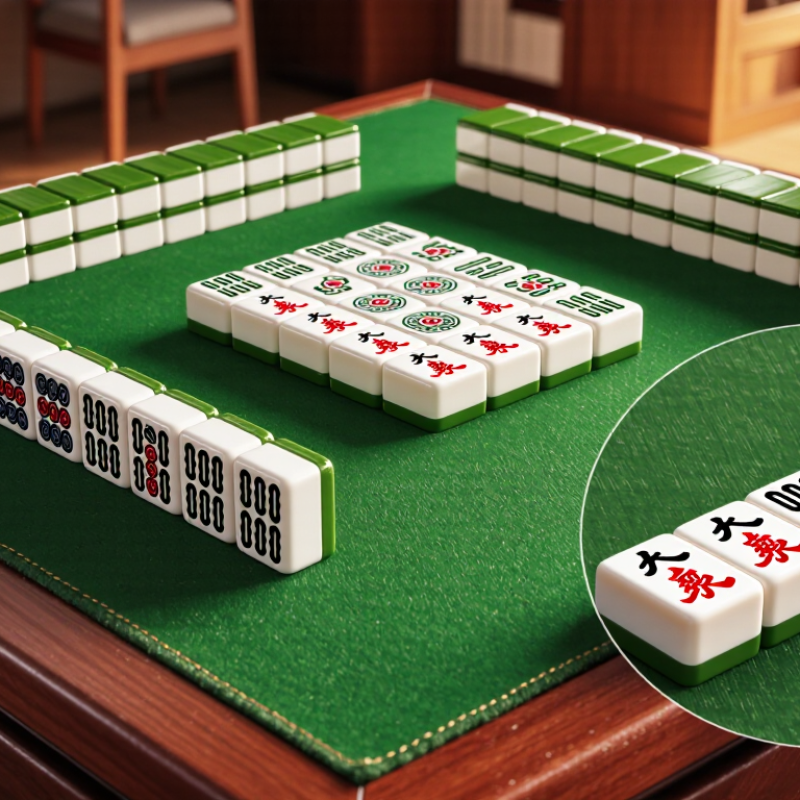
What a Mahjong Table Cover Is
A mahjong table cover is a removable layer placed over a table before play. It creates a defined surface for tiles, racks, and players’ hands. Covers may be made from felt, cloth, or other smooth materials, with edges that help keep the layer in place. Some are shaped to fit a particular tabletop; others can be folded or rolled for storage. Simple, but useful.
The surface affects how tiles feel and sound. A cover can soften the clack of tiles and reduce direct contact with the tabletop. It may also help prevent small scratches from repeated play. The best texture is not necessarily the softest: overly plush fabric can make tiles harder to slide, while a slick surface may feel less controlled.
A cover cannot fix a wobbly table or a poorly fitted edge. Check that it lies flat, stays steady, and leaves enough room for players to reach their tiles comfortably. Small details matter. A curled corner can interrupt a game more than expected.
How It Protects the Table and Mahjong Tiles
A mahjong table cover creates a buffer between hard tiles and the table’s finish. When tiles are pushed across bare wood, grit caught underneath can leave fine scratches. A cover helps trap some of that dust and softens each tile’s landing. It also reduces clatter during play. That matters in a small room.
The fabric’s wear resistance is measurable, not just a matter of feel. ASTM D4966-22 and ISO 12947-2:2016 describe Martindale abrasion testing, where fabric is rubbed repeatedly and durability is assessed in cycles. These standards do not promise that every cover will last a set number of games; results depend on the material and test conditions. Still, they offer a useful way to compare textile performance. A tight, even surface can also help tiles slide smoothly, while a loose or wrinkled cover may catch their edges. Not magic.
For practical protection, choose a cover that lies flat and has a stable backing. Brush away crumbs before play; trapped grit can still scratch tiles or the table beneath. A cover can soften wear, but it cannot correct a warped surface or protect against spills indefinitely. I would check its fit after unfolding, too. Small folds are easy to miss.
How Its Surface Supports Tile Movement During Play
A mahjong table cover gives the tiles a consistent surface to travel across. Its texture affects how easily players can push, draw, and arrange tiles. The feel matters. A fabric cover with a short, even pile can soften the sound of tiles while still allowing controlled movement. Players can slide a tile forward without it racing across the table. That balance helps during quick exchanges and careful wall building.
A surface that is too rough may catch tile edges, especially when a player nudges several tiles together. One that is overly slick can let tiles drift after a light touch. A well-fitted cover also matters: loose fabric can wrinkle beneath a row and interrupt a smooth push. Keep the surface flat. Seams and raised corners are small details, but hands notice them during repeated play. In practice, the ideal feel depends on the tiles and players’ habits. There is a trade-off here, and no cover makes every movement perfect. A quick test with a few tiles can reveal whether they glide steadily or stop too soon.
How It Helps Reduce Noise and Improve Comfort
A mahjong table cover softens the small, sharp sounds that build during play: tiles clicking, racks shifting, and hands tapping the tabletop. A padded fabric layer can reduce direct contact between hard tiles and a hard surface. It will not make a room soundproof, but it may make each round feel less harsh, especially in a compact room with bare walls and flooring. The difference is subtle. That is worth saying.
The World Health Organization’s 2018 Environmental Noise Guidelines for the European Region recommend keeping average road-traffic noise below 53 dB Lden. This is an outdoor exposure guideline, not a target for mahjong rooms or a measurement of table-cover performance. Still, it shows why sound levels and context matter. A cover addresses local impact noise; it cannot control voices, neighboring rooms, or street traffic. Acoustic testing standards such as ISO 354 assess sound absorption in a reverberation room, while a cover’s real effect depends on its material, thickness, fit, and the room itself.
Comfort matters too. A soft, non-slip surface can feel gentler under wrists and help keep tiles from skidding during quick moves. Look for a cover that lies flat and is easy to clean. Thin covers may wrinkle or bunch. That can be annoying mid-game, and it is a practical flaw worth checking before buying.
Common Cover Materials and Care Considerations
A mahjong table cover protects the playing surface from tile scratches, dust, and drink rings. It can also soften the clack of tiles and add grip, though a loose cover may bunch during play. Common options include polyester blends, cotton, felt, and wipe-clean vinyl. Polyester resists creasing and dries quickly; felt offers a soft, steady surface but can trap crumbs. Cotton feels breathable, yet may shrink or wrinkle if washed carelessly. Small differences matter.
Textile Exchange’s 2024 Materials Market Report estimates that polyester made up 57% of global fiber production in 2023, while cotton accounted for about 19%. These figures describe the wider textile industry, not mahjong covers specifically. For care, check the cover’s label before washing. Spot-clean spills promptly with a damp cloth and mild detergent. Avoid soaking felt or using harsh cleaners on coated surfaces. Let covers dry fully before folding, since trapped moisture can cause odors. I have found that crumbs hide along stitched edges. A quick shake helps, but it is not always enough.