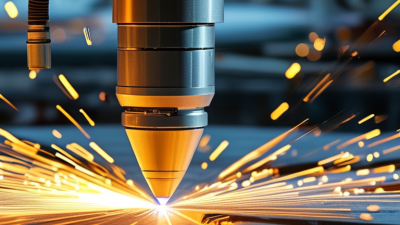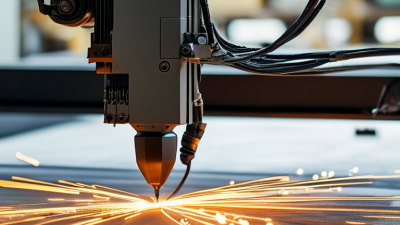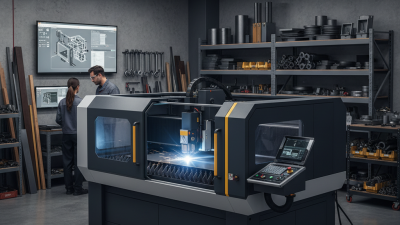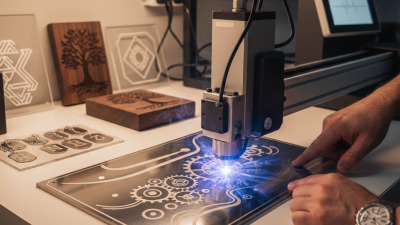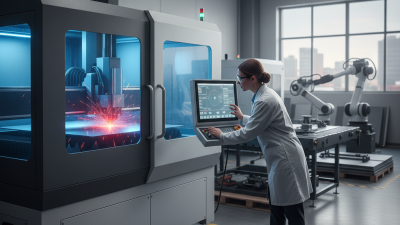
Choosing the best fiber laser machine starts with your production reality, not a glossy specification sheet. Cutting mild steel, stainless steel, aluminum, and brass demands different power levels, gas settings, and nozzle designs. A 1 kW system may suit thin sheet work, while a 6 kW machine can improve throughput on thicker steel. More power is not automatically better.
Market data shows why buyers face difficult choices. Grand View Research estimated the global fiber laser market at USD 5.54 billion in 2023, with an expected 11.3% compound annual growth rate from 2024 to 2030. Fortune Business Insights reported a different 2023 estimate of USD 7.75 billion. These figures use different research methods, so they should guide decisions, not replace them. The consistent signal is clear: adoption is expanding across automotive, electronics, aerospace, and general fabrication.
Valentin Gapontsev, founder of IPG Photonics, described fiber lasers as “the most efficient laser technology available today.” That efficiency matters, but buyers must examine more than electricity usage. Bed size, cutting head quality, control software, service response, spare parts, and operator training can determine real productivity. Ask for sample cuts using your own material. Watch the edge quality closely.
Small details matter.
A machine with excellent acceleration may still disappoint if its autofocus drifts during long shifts. A low purchase price may hide expensive maintenance or limited technical support. No buying guide removes every compromise. This guide compares power, precision, operating cost, safety features, and after-sales support, helping manufacturers choose a fiber laser machine that fits today’s workload and tomorrow’s growth.
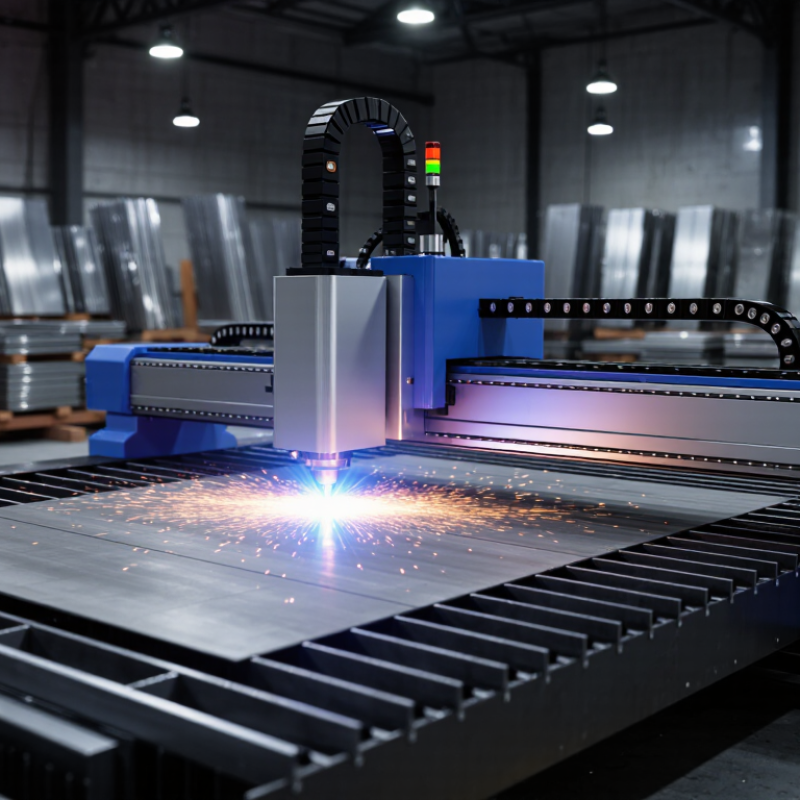
A fiber laser machine creates light inside a special optical fiber doped with rare-earth elements. Pump diodes energize the fiber, producing a concentrated laser beam. The beam travels through a delivery cable and reaches a cutting or marking head. Lenses focus it into a tiny, intense spot. That heat melts, vaporizes, or marks the material. Assist gas then removes melted metal from the cutting area.
In practical workshops, fiber lasers are commonly used for stainless steel, carbon steel, aluminum, brass, and other reflective metals. The best machine depends on material thickness, work area, required accuracy, and daily production volume. Higher power is not automatically better. It can increase speed, but it may also raise energy use and maintenance demands. A stable motion system, reliable cooling, proper extraction, and accessible service support often matter more than impressive specifications. I have seen buyers focus on wattage and overlook the machine’s software. That decision can create frustrating setup delays.
Tips: Check sample cuts before buying. Ask for edge-quality results on your actual materials. Confirm the recommended lens, nozzle range, cooling method, and safety enclosure. Operators should receive practical training and follow local safety requirements. Also, leave room for mistakes. Settings may need adjustment for surface finish, gas pressure, and plate condition. A careful test piece can prevent costly production errors.
What Is the Best Fiber Laser Machine to Buy? The answer depends on which types of fiber laser machines fit your work. A 2024 Grand View Research analysis estimated the global fiber laser market at approximately USD 6.2 billion in 2023. Its forecast also indicates continued growth through 2030. However, market reports use different definitions. Compare their scope carefully.
Continuous-wave fiber laser machines are common for cutting steel, aluminum, and stainless steel. They deliver steady power and suit sheet-metal production. Pulsed fiber laser machines are better for marking, engraving, and removing thin surface layers. Short pulses limit heat spread around the mark. MOPA systems offer adjustable pulse widths. They can create darker marks on aluminum and finer results on plastics. Quasi-continuous-wave machines handle thicker metal with controlled bursts. Tube-cutting models add rotary axes for pipes and profiles. Multi-axis systems support complex three-dimensional parts, but programming takes longer.
In practical evaluations, power should not lead the decision. Check material thickness, lens options, worktable size, extraction, and service response. MarketsandMarkets reported strong demand for high-power fiber lasers in 2024, driven by automotive, construction, and general manufacturing. That trend does not make a high-power machine ideal for every workshop. A 20-watt pulsed unit may outperform a 3-kilowatt cutter for detailed identification marks. The confusing part is real. Cutting speed, edge quality, software, and operator skill can change the result. Request sample testing with your actual material before buying. Mistakes happen when buyers compare wattage alone.
Fiber laser machines are available for marking, cutting, welding, and cleaning. The best choice depends on the material, required processing speed, working area, and laser power. The chart shows representative commercial power ranges commonly available for each machine type.
How to read the chart: Marking machines generally use low-power pulsed sources, while cutting systems require substantially higher continuous-wave power. Welding and cleaning machines typically use intermediate power levels. Actual specifications vary according to material, thickness, beam quality, and application requirements.
Choosing a fiber laser machine starts with the material, not the advertised wattage. A 3 kW source may cut thin stainless steel quickly, yet perform poorly on thick mild steel without stable gas pressure and beam delivery. Look for rated thickness by material, cutting speed, and edge quality. According to Grand View Research, the global fiber laser market is projected to grow at about 11% annually through 2030. That growth reflects wider industrial adoption, but it does not make every machine suitable for every workshop.
Beam quality matters greatly. Check the M² value, spot size, focal stability, and power consistency across long production cycles. Lower M² generally supports a tighter focus and cleaner detail. For sheet cutting, ask for verified speed charts using your actual material grades. A test sample is more useful than a showroom claim. Short pulse duration matters for marking and delicate work, while continuous-wave power suits many cutting applications. Do not ignore the chiller’s cooling capacity, because thermal drift can quietly reduce accuracy.
Control software, assist-gas regulation, extraction, and enclosure safety deserve equal attention. IEC 60825-1 provides a recognized framework for laser safety classification and protective measures. Energy consumption also affects ownership cost; the U.S. Department of Energy identifies industrial motor and process efficiency as major lifecycle concerns. I would compare service response times, spare-part availability, and warranty terms before buying. One overlooked detail: a machine can be technically excellent but impractical if operators need hours of training. My own caution is simple: published specifications often describe ideal conditions, not Monday morning production.
Choosing the best fiber laser machine begins with the material, not the advertised power. Mild steel, stainless steel, aluminum, brass, and copper behave differently under a 1064-nanometer beam. A 1 mm stainless sheet may need clean nitrogen cutting, while a 6 mm plate may favor oxygen. Reflective metals demand suitable source protection and careful parameter control. Test your actual stock.
Application changes the decision. For detailed signage or small components, prioritize beam quality, autofocus response, and fine kerf control. Tube work requires rotary tooling, stable alignment, and software that handles changing profiles. A general-purpose flatbed may cut well but waste time on repeated manual loading. Cleaning or marking tasks need different pulse behavior than high-speed sheet cutting. The right machine fits the workpiece, tolerance, and finish you sell.
Production volume exposes weaknesses that a showroom sample hides. Check hourly output, acceleration, nesting efficiency, downtime records, and service response times. A larger bed can improve throughput, but it also needs more floor space and stronger material handling. Higher wattage is not automatically better. It may increase speed on thick stock, yet offer little value for thin, intricate parts. Ask for repeatability results using your materials, not only polished demonstration cuts. One assumption deserves questioning: the cheapest purchase can become expensive when lenses, nozzles, gases, and maintenance are ignored. Build a trial run into the decision.
What Is the Best Fiber Laser Machine to Buy?
Comparing fiber laser machines requires more than checking the purchase price. In my workshop trials, a cheaper unit sometimes needed frequent alignment, software adjustments, and replacement parts. Calculate the full cost, including installation, lenses, electricity, maintenance, training, and downtime. A low quote can become expensive quickly.
Quality should be judged with real samples, not polished demonstrations. Ask the supplier to cut your metal thicknesses and inspect edge smoothness, speed, kerf width, and repeatability. Record the results. Small variations matter during long production runs. I once trusted a short test too much, and later noticed inconsistent marking on larger batches.
Support is part of the machine. Check response times, remote diagnosis, spare-part availability, manuals, and technician qualifications. Reliable support should explain problems clearly, not only send generic instructions. Safety deserves equal attention. Look for a suitable enclosure, door interlocks, emergency stops, beam protection, extraction, warning labels, and documented compliance with local requirements. Operators need practical training, protective equipment, and clear maintenance procedures. Do not ignore ventilation. A clean-looking workshop may still contain harmful fumes. Ask for a written warranty and service conditions before payment, then compare those details with your actual workload and staff experience.
| Comparison Dimension | Entry-Level Sheet Metal System (Approximately 1–3 kW) |
General-Purpose Production System (Approximately 4–6 kW) |
High-Output Production System (Approximately 8–12 kW) |
How to Evaluate the Difference |
|---|---|---|---|---|
| Typical purchase price | Approximately US$45,000–US$100,000, depending on bed size, automation, and included accessories. | Approximately US$80,000–US$180,000 for a complete enclosed cutting system. | Approximately US$150,000–US$350,000 or more, especially with automated loading and unloading. | Compare the complete installed system rather than the laser source price alone. Freight, installation, software, tooling, and training can materially change the final cost. |
| Recommended workload | Prototype work, maintenance departments, job shops, and low-to-medium production volumes. | Daily fabrication, contract manufacturing, and mixed-material production. | High-volume fabrication where throughput and thicker mild-steel capacity justify the higher investment. | Choose power based on annual cutting hours, material mix, required thickness, and acceptable delivery time—not only on maximum wattage. |
| Common working area | Approximately 1,500 × 3,000 mm or 1,500 × 4,000 mm. | Approximately 1,500 × 3,000 mm to 2,000 × 6,000 mm. | Commonly 2,000 × 6,000 mm or larger, with optional shuttle tables. | The bed should accommodate the largest standard sheet used in production while leaving enough room for loading and maintenance access. |
| Typical mild-steel cutting range | Thin sheet work up to approximately 12–20 mm under suitable material, nozzle, gas, and process conditions. | Approximately 20–30 mm for many production applications, subject to machine configuration and cutting requirements. | Approximately 30–50 mm for selected applications; maximum piercing and cutting thicknesses vary significantly. | Treat published maximum thickness as a capability limit, not a guaranteed production thickness. Request sample cuts using your actual material. |
| Materials commonly processed | Carbon steel, stainless steel, aluminum, galvanized steel, and selected brass or copper applications. | The same material range, with greater productivity and more process flexibility. | The same material range, particularly where thick carbon steel or high-volume nonferrous cutting is required. | Confirm maximum reflective-material capability, approved assist gases, and recommended parameters before purchasing. |
| Productivity expectation | Good value for shorter runs and thin-gauge parts; manual loading is common. | Balanced throughput for most fabrication businesses; automatic nesting and shuttle-table options are common. | Highest throughput potential, especially with automated material handling and optimized process parameters. | Compare cycle time, pierce time, changeover time, and uptime. Cutting speed alone does not represent total output. |
| Electrical requirements | Often requires three-phase industrial power; actual capacity depends on the complete machine and auxiliary equipment. | Higher electrical capacity and a suitable industrial distribution system are normally required. | Substantially higher facility demand, including power for the laser, chiller, dust collector, and automation. | Obtain the machine's full-load current, voltage, phase, grounding, and peak-demand requirements before ordering. |
| Operating cost factors | Lower initial energy demand, but labor may represent a larger share of total cost. | Generally provides a strong balance between energy use, labor efficiency, and production capacity. | Higher power, gas, consumable, and maintenance costs, offset by greater potential output. | Calculate cost per finished part using electricity, assist gas, lenses, nozzles, filters, labor, maintenance, and downtime. |
| Cutting-head and optics quality | Basic capacitive height control and replaceable protective windows are typical. | More advanced autofocus, collision protection, and monitoring features are commonly available. | Advanced autofocus, collision detection, process monitoring, and higher-duty-cycle components are important. | Check replacement-part availability, optical stability, calibration procedures, and the cost of protective windows and nozzles. |
| Software and controls | Basic CAD/CAM nesting, parameter libraries, and operator controls. | More capable nesting, job management, remote diagnostics, and production data functions. | Advanced automation, production scheduling, monitoring, and integration options are more common. | Verify file compatibility, license terms, update policy, user permissions, backup functions, and training requirements. |
| Machine structure and motion system | Welded or fabricated frame with linear guides and servo-driven axes. | Heavier frame, improved thermal stability, and higher-duty motion components are usually preferred. | Rigid heavy-duty structure designed to maintain accuracy during high-speed and thick-material cutting. | Request repeatability and positioning-accuracy test results, not only maximum rapid-traverse speed. |
| Expected service life | Often suitable for many years of service when properly maintained and not operated beyond its duty cycle. | Designed for regular industrial operation with scheduled maintenance. | Designed for intensive production, but maintenance quality and operating conditions remain decisive. | Evaluate frame warranty, laser-source warranty, serviceable components, maintenance intervals, and spare-parts availability. |
| Technical support | Remote support may be sufficient for routine setup; local response time is especially important for new operators. | Look for documented commissioning, operator training, remote diagnostics, and access to qualified technicians. | A local service network, preventive-maintenance program, and rapid emergency response are critical. | Ask for guaranteed response times, escalation procedures, training scope, service rates, and a list of stocked spare parts. |
| Safety configuration | A fully enclosed Class 1 design, interlocked doors, emergency stops, key control, warning labels, and fume extraction should be specified. | The same safeguards are required, with additional attention to automated movement, access controls, and material handling. | Requires comprehensive guarding, interlocks, emergency circuits, extraction, fire-risk controls, and a documented risk assessment. | Confirm conformity with applicable local regulations and standards, such as laser-product safety, machinery safety, electrical safety, and workplace ventilation requirements. |
| Assist-gas system | Usually supports compressed air, nitrogen, and oxygen, subject to material and thickness requirements. | Higher flow and pressure capacity may be needed for faster cutting and thicker material. | High-capacity gas regulation and filtration are important for consistent thick-material cutting. | Compare gas consumption, required purity, pressure stability, compressor capacity, and the cost of nitrogen or oxygen. |
| Best value profile | Best when the priority is low capital cost and flexible thin-sheet work. | Often the best overall balance for mixed materials, regular production, and controlled operating costs. | Best when high utilization and thick-material throughput can support the investment. | The best machine is the one that meets required quality and capacity with a realistic payback period and dependable support. |