What Is the Best Laser Etching Machine in 2026?
Choosing the best laser etching machine in 2026 depends less on a flashy headline specification and more on what you plan to mark. A small desktop unit may suit nameplates, coated tumblers, or occasional craft projects. A production shop may need a larger work area, faster marking, and dependable support. Materials matter, too: wood, anodized aluminum, glass, and plastics can respond differently to laser wavelength and power. Check the manufacturer’s compatibility guidance before buying.
No single machine wins every job. That’s the useful part.
This guide compares machine types and practical buying factors, including work area, laser source, software, setup, maintenance, and ventilation needs. It also considers whether published speed and power claims match your actual materials and workload. A neat sample on a product page is not a full test. Look for clear specifications, realistic demonstrations, warranty terms, and accessible technical support. If possible, compare results on the same material you expect to use, then inspect edge quality, contrast, and consistency across several passes. Small differences show up quickly.
Some trade-offs are easy to miss. A compact machine can save bench space but limit larger projects. Higher power may improve throughput, yet it does not guarantee cleaner marks on every surface. Use the manufacturer’s safety instructions and suitable protective equipment; never assume a particular enclosure removes every hazard. This overview aims to help readers narrow the field with evidence, not hype. And yes, there may be no perfect pick—only a better fit for your materials, workspace, and budget.
What Laser Etching Machines Do and How They Work
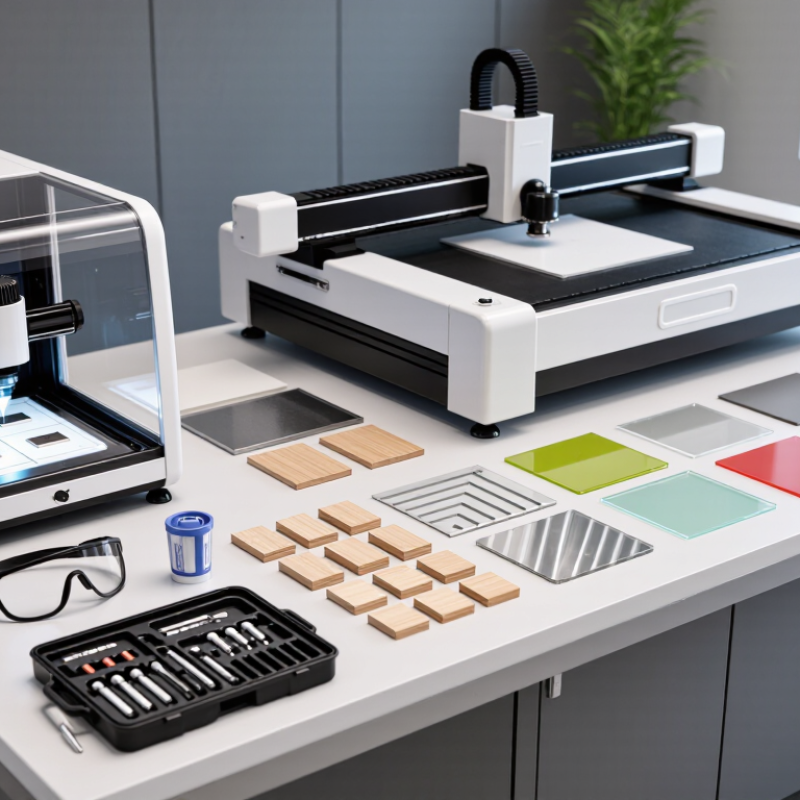
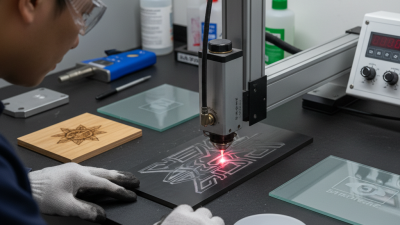
A laser etching machine uses a focused beam of light to alter a material’s surface. A controller guides the beam across a design, while mirrors direct it and a lens concentrates its energy into a tiny spot. Heat changes the surface through darkening, oxidation, or shallow material removal. The result can be a crisp serial number on a metal tool or a fine graphic on coated glass. No ink is needed.
The process depends on the material, wavelength, and settings. Fiber lasers commonly mark metals, while CO2 systems are often used on wood, paper, and some plastics. Power, speed, and pulse frequency affect contrast and depth. Too much energy can blur an edge or leave unwanted heat discoloration. Small test marks matter.
These machines support product identification and decorative marking across manufacturing. Grand View Research estimated the global laser marking market at about $3.3 billion in 2023, with projected growth through 2030. That figure describes market activity, not proof that every machine suits every workshop. Setup still takes judgment. A shiny metal part may reflect energy, and a setting that works on one finish may fail on another. Even a clean-looking mark deserves a durability check.
What Is the Best Laser Etching Machine in 2026? - What Laser Etching Machines Do and How They Work
The best laser etching machine depends on the material, required detail, production volume, and budget. Laser etchers focus a beam of light onto a surface to alter or remove material; the wavelength and power determine which materials can be processed effectively.
| Machine Type | Typical Laser Source and Wavelength | Common Output Range | Materials Commonly Marked or Etched | How It Works and Main Strength | Key Limitation | Best Fit |
|---|---|---|---|---|---|---|
| Fiber laser | Fiber source; approximately 1,064 nm | Often 20–100 W for general-purpose marking systems | Stainless steel, carbon steel, aluminum, brass, and some engineered plastics | A near-infrared beam is focused onto the surface to create a mark through localized heating or material removal. It is widely used for durable, detailed metal marking. | Not generally suited to directly engraving clear glass or most untreated wood; compatible materials depend on the material and process. | Metal parts, tools, tags, and serial numbers |
| CO₂ laser | Gas laser; approximately 10.6 μm | Common systems range from about 30–150 W, with other outputs available | Wood, paper, leather, acrylic, and many other nonmetallic materials | The beam is strongly absorbed by many organic materials and acrylics, heating or vaporizing the surface to produce a mark or cut. | Usually does not directly mark bare metals effectively without a suitable coating or marking compound. | Wood products, signage, leather goods, and acrylic work |
| Diode laser | Semiconductor diode; commonly around 450 nm for blue-light units | Optical output varies widely; compact systems commonly offer several watts to a few tens of watts | Wood, paper, leather, some plastics, and coated or anodized surfaces | A compact diode source directs visible or near-infrared light at the workpiece. Its relatively simple setup makes it accessible for small projects. | Performance varies substantially by material; clear acrylic and bare metals are generally challenging for common blue diode units. | Hobby projects and low-volume work on compatible materials |
| UV laser | Ultraviolet source; commonly 355 nm | Often a few watts to around 10 W in marking systems | Selected plastics, glass, ceramics, coated materials, and electronic components | Its shorter wavelength can create fine marks with less heat spreading into the surrounding area than many infrared processes. | Typically costs more per unit of output and may process large or deep marks more slowly than higher-power systems. | Fine-detail marking and heat-sensitive components |
| MOPA fiber laser | Pulse-adjustable fiber source; approximately 1,064 nm | Commonly available in outputs such as 20–100 W | Metals, including stainless steel and anodized aluminum | Like a fiber laser, it uses a focused infrared beam; adjustable pulse duration provides additional control over how energy is delivered to the surface. | More settings require careful testing, and the process remains material- and application-dependent. | Applications needing varied metal-marking effects or fine control over heat input |
How the process works: Software converts artwork or text into a toolpath. The machine focuses the laser and moves the beam, workpiece, or both across the target. Depending on the settings and material, the beam may discolor, oxidize, melt, or remove a thin surface layer. Output ratings and compatibility vary between machines, so test the specific material before production.
Related Posts
-
Top 10 Laser Etching Machines for Global Buyers?
-
Unlocking Precision in Manufacturing with Laser Marking Machines and Their Impact on Production Efficiency
-
Laser Marking Machine Tips for Optimal Performance and Usage?
-
Why Choose a Laser CNC Machine for Your Business Needs?
-
What Is a Fiber Laser CNC Machine and How Does It Work?
-

How to Choose the Right Laser Marking Machine for Your Business Needs