How to Choose the Best Pipe Laser Cutting Machines in 2026?
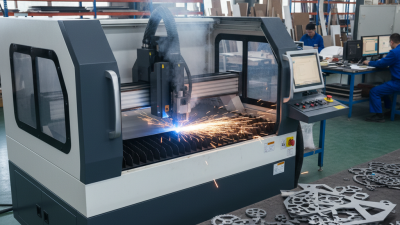
In the rapidly evolving world of manufacturing, choosing the right pipe laser cutting machine in 2026 is crucial. Pipe laser cutting technology continues to advance, offering greater precision and efficiency. However, not all machines are created equal. Making an informed decision requires an understanding of key features, potential costs, and supplier reliability.
When evaluating options, consider the laser power, cutting speed, and materials compatibility. You must also assess the machine's ease of use and maintenance needs. Experts agree that investing in quality equipment is vital for enhancing productivity. However, with so many choices available, it can be overwhelming to narrow them down.
Reflecting on past experiences, some users discover that cheaper options lead to higher long-term costs. A lack of support or inadequate training can also hinder performance. Thus, it is essential to prioritize reliable suppliers who offer both robust machines and solid after-sales services. Your investment in a pipe laser cutting machine should align with your specific production goals.
Understanding Pipe Laser Cutting Technology Trends in 2026
In 2026, the landscape of pipe laser cutting technology is evolving rapidly. One notable trend is the increasing importance of automation in the cutting process. A report from the Laser Institute of America indicates that automated systems can enhance production efficiency by 25%. This shift towards smart manufacturing helps businesses meet growing demands while maintaining precision and reducing labor costs.
Another key trend is the growing use of fiber laser technology. Fiber lasers offer higher efficiency and lower energy consumption compared to traditional CO2 lasers. According to a study by Research and Markets, the fiber laser market is projected to reach $7.55 billion by 2026, driven by advancements in materials and applications. This indicates a strong pivot towards solutions that guarantee sustainability and effectiveness in cutting processes.
However, not all advancements come without challenges. While technology progresses, the gap between skilled labor and the necessary training can hinder adoption. Manufacturers must invest in workforce education to fully leverage these tools. Additionally, the cost of high-quality machinery poses a barrier for smaller companies, potentially limiting market access. As the industry continues to innovate, businesses need to navigate these complexities to harness the full potential of pipe laser cutting technology effectively.
Key Factors to Consider When Choosing a Pipe Laser Cutting Machine
When choosing a pipe laser cutting machine, several key factors must be evaluated. First, understand the power requirements of the machine. According to industry reports, machines with higher wattage provide faster and more precise cuts. A 2000W laser may handle thicker materials efficiently. However, it is important to assess whether that power level fits your specific cutting needs.
Precision is another crucial element. Modern laser cutting machines promise tolerances of ±0.1 mm. Such precision is vital for industries like aerospace, where even slight deviations can lead to costly errors. Additionally, consider the software compatibility. Advanced machines often use sophisticated software that integrates with design programs. This enables smoother workflows and reduces setup time, increasing overall efficiency.
Maintenance plays an essential role in the longevity of the machine. Many manufacturers recommend regular maintenance to avoid unexpected downtimes. Some companies suggest periodic checks every few months. Ignoring maintenance can lead to reduced performance and costly repairs. Reflecting on these aspects will help in making a more informed decision in the selection process.
Key Factors to Consider When Choosing a Pipe Laser Cutting Machine in 2026
Comparing Performance and Precision of Leading Pipe Laser Cutters
When selecting a pipe laser cutting machine in 2026, performance and precision are critical factors. According to a recent industry study, machines with a power range of 1000W to 3000W provide optimal cutting speed for various tube materials. Laser cutting technology has progressed, offering a cutting accuracy of up to ±0.1mm, which is essential for projects requiring high precision. Notably, the efficiency of a machine is measured in terms of speed and repeatability, impacting production costs significantly.
Investing in a pipe laser cutter means understanding the specific needs of your operation. Assessing the thickness of materials, typical diameters, and types of metals being processed is crucial. A machine that performs well on thinner materials might lack efficiency on thicker ones. Moreover, refining your understanding of laser focal lengths can lead to better cut quality.
For optimal results, ensure your cutting machine is equipped with advanced software for real-time adjustments. This technology allows for better control over the cutting parameters. Analyzing performance data from past projects can reveal patterns and areas needing improvement. Reflecting on these insights may help in making informed decisions on future machine purchases.
Evaluating Cost-Effectiveness and Budget for Pipe Laser Cutting Machines
When evaluating the cost-effectiveness of pipe laser cutting machines, budget plays a crucial role. A well-defined budget allows businesses to focus on machines that meet their specific needs. Consider the upfront costs, maintenance expenses, and potential savings from efficient operations. A comprehensive assessment of these factors can reveal the true value of a machine.
It's important to analyze the performance against the budget. Higher initial investment might seem daunting, but improved precision and faster cutting times can lead to savings in labor and materials. Evaluate the durability and lifespan of the machine. Sometimes, cheaper options require more frequent repairs.
Reflecting on your operational requirements can lead to better decisions. For instance, assess the volume of work and the types of materials processed. Misjudging these aspects can result in underutilization or excessive overkill. Regularly revisiting your needs can help align budget and equipment effectively.
Future Innovations to Look for in Pipe Laser Cutting Solutions
In 2026, a crucial factor in selecting the best pipe laser cutting machines will be understanding emerging technologies. As the industry evolves, advancements in automation and artificial intelligence are transforming the cutting process. Enhanced software can improve precision and reduce errors, while real-time monitoring systems will ensure consistent quality during production. User-friendly interfaces will make machine operation more accessible, even for less experienced operators.
Another key innovation to watch is the integration of sustainable practices. Companies are increasingly focused on reducing waste and energy consumption. Automated material handling systems can optimize resource usage. Moreover, newer models may feature advanced cooling techniques to minimize energy costs during operation. Evaluating a machine's eco-friendliness will become as vital as assessing its technical specifications.
Potential buyers should also reflect on their specific needs. An array of features can be overwhelming. Clarifying essential functions, like speed and cutting thickness, is necessary. Cost-effectiveness should not overshadow the importance of long-term service and support. Investing in a machine that lacks reliable after-sales service can lead to unforeseen challenges, impacting overall productivity.
How to Choose the Best Pipe Laser Cutting Machines in 2026? - Future Innovations to Look for in Pipe Laser Cutting Solutions
| Feature |
2026 Innovations |
Expected Benefits |
| Beam Quality |
Improved beam profile for finer cuts |
Higher precision and reduced post-processing |
| Cutting Speed |
Faster feed rates with advanced motion systems |
Increased productivity and lower operational costs |
| Automation |
AI-driven automation and smart sensors |
Reduced labor costs and enhanced safety |
| Material Compatibility |
Broader range of materials, including composites |
Versatile applications across industries |
| Software Integration |
Cloud-based software with enhanced CAD compatibility |
Streamlined design-to-production workflows |
| Energy Efficiency |
Lower power consumption technologies |
Cost savings and sustainable manufacturing |