What Is the Top Laser Cutting Table for Buyers in 2026?

Choosing the top laser cutting table in 2026 depends less on a single headline feature and more on how well the machine fits your materials, workload, and workspace. A table designed for thin sheet metal may not suit thick plate or frequent production runs. Buyers should compare working area, load capacity, cutting accuracy, support for their laser source, and compatibility with extraction and control systems. A mismatch can show up quickly: a sheet overhangs the bed, a fixture blocks the cutting head, or smoke lingers near the work zone. Small details count.

This guide looks at practical criteria, not just promotional specifications. Check whether published capacity and precision figures explain the testing conditions, and ask suppliers how they handle installation, replacement parts, and technical support. If possible, inspect a sample cut on your own material. A clean edge on one alloy does not guarantee the same result on another. There is no universal winner. That is worth saying plainly. A high-capacity model may be excessive for a small workshop, while a compact table may constrain future jobs. The right choice balances present needs with realistic growth, verified specifications, and service you can reach when something goes wrong. Some comparisons still leave uncertainty; buyers should record what is confirmed and what remains an assumption before placing an order.
What Is the Top Laser Cutting Table for Buyers in 2026?

What a Laser Cutting Table Is and How It Works

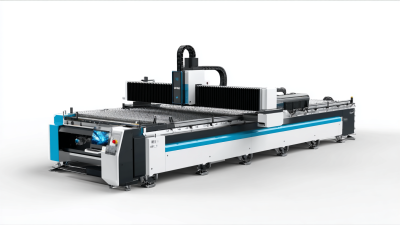
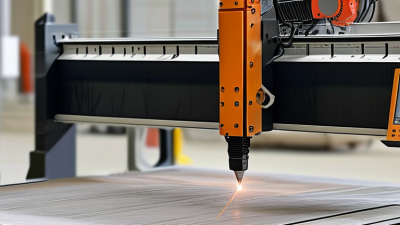
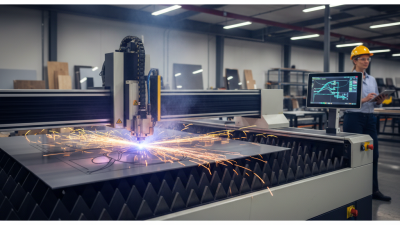
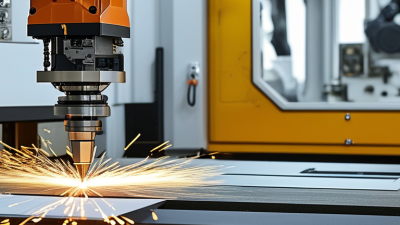
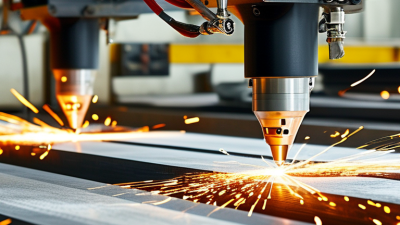
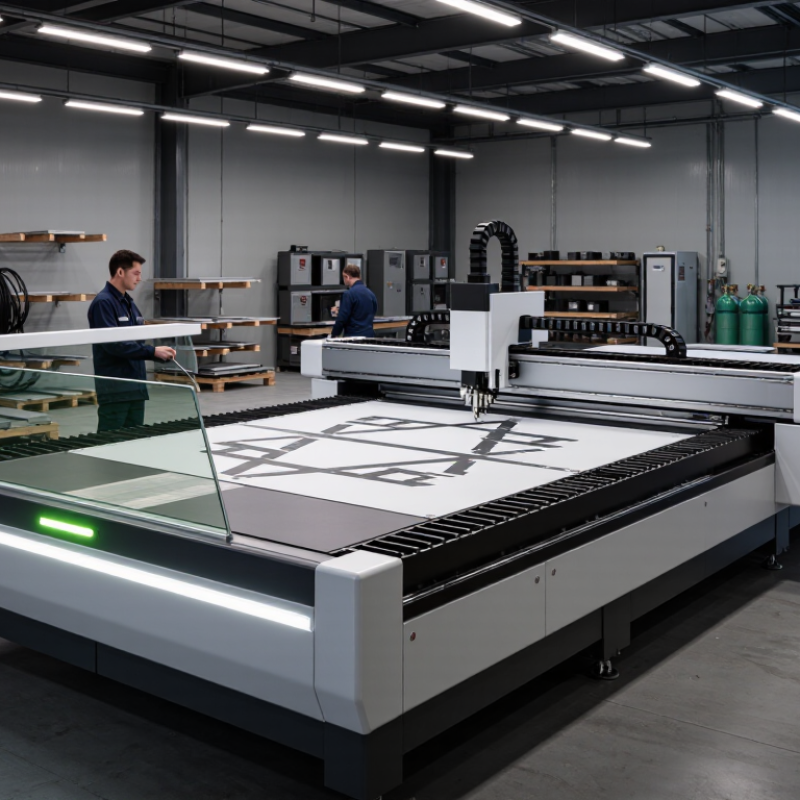
A laser cutting table supports the sheet or workpiece while a focused beam follows programmed paths. The machine’s motion system guides the cutting head across the surface. As the beam heats a narrow area, material melts or vaporizes along the design. The table does not make the cut by itself. It keeps the work stable.

Many tables use metal slats or pins to hold material with limited contact. This helps reduce marks on the underside and lets cut pieces fall between supports. Beneath the bed, an extraction system draws away smoke and fine particles. Airflow matters. If the slats are bent, dirty, or uneven, the sheet may sit at an angle and affect cut quality. Small details count.

Choosing a table means matching its size and support layout to the materials and jobs involved. A thin sheet may need closer support than a thick plate. Open spaces between slats can also leave narrow parts unsupported, so operators should check how the design will sit before cutting. No table is perfect. Wear, residue, and heat can change performance over time, and cleaning alone may not fix damaged slats. A practical inspection checks for flatness, secure supports, clear airflow, and enough room for the material to extend safely.

Key Factors for Evaluating Laser Cutting Tables in 2026

When evaluating a laser cutting table in 2026, start with the work it must handle: material type, sheet size, thickness, and daily cutting hours. Check the usable cutting area, slat spacing, loading clearance, and stated positioning accuracy. A table that fits the machine but leaves little room for handling can slow a busy shop. That matters. Ask how accuracy is measured and whether it remains consistent across the full bed, not just at its center.

Grand View Research’s 2024 Laser Cutting Machines Market Size report valued the global market at about US$5.7 billion in 2023 and forecast 7.5% annual growth through 2030. That signals expanding adoption, not a guarantee that any table suits your process. Compare extraction design, guarding, maintenance access, control compatibility, and replacement-part availability. Request test cuts using your own material, then inspect edge quality and repeatability. I’d be cautious about relying on a brochure’s maximum speed alone; real production includes loading, setup, and downtime.

Tips: Ask suppliers for a written accuracy specification and a sample maintenance schedule. Check that operators can reach routine service points safely. If possible, time a complete job cycle—not just the cutting pass.

What Is the Top Laser Cutting Table for Buyers in 2026?

Compare representative work-envelope formats by nominal cutting area.

Areas are calculated from the listed nominal dimensions; these are representative formats, not a ranking or universal product specifications. When evaluating a table, also check usable cutting travel, supported workpiece load, slat design, fume extraction, and material-loading requirements.

Main Types of Laser Cutting Tables and Their Applications

A laser cutting table is not a one-size-fits-all purchase. The right type depends on material, part dimensions, and how often sheets must be loaded. Grand View Research estimated the global laser cutting machine market at USD 5.4 billion in 2023, with a projected 5.5% compound annual growth rate from 2024 to 2030. That market estimate signals demand, but it does not identify the best table for every workshop.

Flatbed tables suit sheet metal, from small brackets to large panels. A shuttle or exchange table can keep one sheet cutting while an operator prepares the next, reducing idle time in busy production. Tube-cutting tables use rotating supports to process pipes and profiles; they are useful for frames, handrails, and structural components. Combination tables handle both sheet and tube work, but their flexibility may mean more setup complexity. Fit matters.

For thin sheet and frequent changeovers, prioritize access, stable slats, and efficient fume extraction. Thick plate work needs a rigid bed and practical loading clearance. Check the usable cutting area against actual part drawings, not just the machine’s headline dimensions. A table that looks ample on paper can feel cramped around clamps and scrap. It is also easy to overvalue automation before measuring real loading time. The best choice is the one matched to daily materials, batch sizes, and available floor space.

What Is the Top Laser Cutting Table for Buyers in 2026? — Main Types of Laser Cutting Tables and Their Applications

Table Type Typical Design Common Materials and Processes Main Applications Key Advantages Buyer Considerations
Flatbed sheet-cutting table Stationary work surface with a gantry that moves the laser head over flat sheet material. Laser cutting of sheet metal; suitable configurations depend on the laser source, material, thickness, and machine capacity. Fabricated parts, panels, brackets, enclosures, and general sheet-metal production. Versatile layout; straightforward loading and support for a wide range of sheet sizes. Check the usable cutting area, table load rating, sheet-loading method, and compatibility with the intended laser source.
Slat-bed table Replaceable metal support slats hold the workpiece above an open space beneath the cutting area. Primarily flat metal sheet cutting, including many jobs involving steel, stainless steel, or aluminum when matched to the machine. Job shops and production lines processing varied sheet-metal parts. Slats provide support while reducing continuous contact with the underside of the sheet; individual slats can be serviced or replaced. Slats can collect dross and need cleaning or replacement. Confirm slat spacing, support capacity, and access for maintenance.
Pin-bed or knife-bed table Uses narrow blades or pins to support work with limited contact beneath the cutting path. Commonly used for laser processing of non-metal sheets such as wood, acrylic, paper, textiles, and selected plastics, depending on the laser and material. Signage, display components, craft production, packaging, and sheet-goods fabrication. Small contact areas can help reduce backside marks and allow cut-through pieces to separate cleanly. Support spacing must suit the material and part size. Verify that the material is safe and compatible with the laser process being used.
Honeycomb table A grid-like support surface designed to hold relatively light, flat workpieces. Often used with non-metal materials such as wood, paper, fabric, and some plastics on compatible laser systems. Small-part cutting, engraving, prototyping, and sign or craft work. Provides distributed support for small pieces and can reduce unwanted movement during processing. Not intended for heavy sheet metal. Residue can build up in the cells, so cleaning and suitable fume extraction are important.
Conveyor or pass-through table Moves flexible or sheet material through the cutting area, sometimes using a roll-fed system. Textiles, paper, film, leather, and other compatible flexible materials; exact suitability depends on the laser system and material. Continuous cutting of long patterns, apparel components, soft signage, and roll-fed production. Supports longer-than-bed jobs and can reduce manual repositioning for repeat production. Check feed width, alignment controls, tension handling, and whether the process requires roll-to-roll or sheet-to-sheet operation.
Rotary attachment table A rotary fixture turns cylindrical or round objects beneath the laser head; it is usually an accessory rather than a full table. Engraving or marking compatible cylindrical items; cutting capability depends on the machine, fixture, and workpiece. Personalized products, tubes, containers, and other rotary workpieces. Enables processing around curved surfaces that cannot lie flat on a standard bed. Confirm the supported diameter, length, weight, rotational accuracy, and clearance with the laser head and enclosure.
Shuttle or dual-table system Two work areas alternate between the cutting zone and an accessible loading or unloading position. Usually configured for repetitive sheet-metal production; capabilities depend on the machine and installed laser system. Higher-throughput fabrication where operators can prepare the next sheet while the machine cuts. Can reduce idle time between jobs and support a more continuous production workflow. Assess floor space, safety guarding, loading equipment, operator training, and whether expected production volume justifies the added complexity.

Selection note: There is no single best table for every buyer. Match the table style to the material, laser process, workpiece size and weight, production volume, loading method, and extraction requirements. Always follow the machine and material suppliers’ safety guidance.

How to Compare Table Size, Capacity, Precision, and Cost

What Is the Top Laser Cutting Table for Buyers in 2026?

A top laser cutting table is one that fits your actual jobs, not the biggest machine on a sales sheet. Measure the largest sheet you routinely process, then allow room for loading and part removal. Capacity matters just as much: compare the manufacturer’s rated thickness with the materials you cut, and check whether that rating changes by material type. Grand View Research estimated the global laser-cutting-machine market at $5.7 billion in 2023, reflecting broad investment in the technology. But market growth cannot tell you whether a particular table suits your workshop.

Check precision against a recognized standard. ISO 9013:2017 classifies thermal-cut quality using measures such as perpendicularity tolerance and surface roughness; ask suppliers for test results on materials and thicknesses close to yours. A polished sample is not enough. Request repeatability data, too, and confirm how the machine handles heat distortion across a full sheet. Cost should include extraction, installation, maintenance, consumables, and downtime—not just the purchase price. Small details add up. Compare quotes using the same workpiece, operating hours, and service assumptions. One comparison may still miss something: real production varies, and advertised tolerances do not guarantee identical results on every job.

How Buyers Can Choose the Right Laser Cutting Table for Their Needs

What Is the Top Laser Cutting Table for Buyers in 2026?

Choosing the right laser cutting table starts with the workpiece, not the sales brochure. Measure the largest sheet you expect to cut, then allow room for loading and scrap removal. Check the table’s rated load against your heaviest material, including any fixtures. Thin sheet, thick plate, and mixed production place different demands on the support surface and cutting setup. Slat spacing, bed access, and fume extraction also affect daily use. According to the International Federation of Robotics’ World Robotics 2024 report, factories installed 541,302 industrial robots in 2023. That figure does not predict your needs, but it shows why buyers planning automation should check whether a table can accommodate future loading systems. Honestly, a spec sheet can still mislead.

Tips: Ask to cut a sample using your material and thickness. Watch how quickly the operator can load it, remove parts, and clear the bed. Confirm service access and consumable costs before ordering.

Compare total operating needs, not just purchase price. A compact table may fit the floor plan but restrict future jobs. A larger model may waste space and budget. Consider the laser’s power, cutting area, extraction requirements, and control compatibility as one system. I would test the workflow with real parts; ideal test pieces rarely show every awkward corner. No table fits everything.

Contact Us Today for a Free Quote

(800) 708-6036