Why Choose a Fiber Cutting Machine for Your Business?

Why choose a fiber cutting machine for your business? The answer usually begins with production demands, not impressive specifications. In a busy workshop, operators need clean cuts, repeatable accuracy, and fewer interruptions. A fiber cutting machine can process sheet metal efficiently while supporting detailed designs and tight tolerances. It may also reduce material waste when cutting patterns are planned carefully. Every millimeter matters.

From practical manufacturing experience, fiber laser technology offers fast energy transfer and focused cutting performance. It suits materials such as carbon steel, stainless steel, and aluminum. Modern systems often include automatic focusing, nesting software, and monitoring features. These tools help operators manage daily work with greater consistency. However, results depend on laser power, material thickness, machine calibration, and operator training. Buying the most powerful model is not always the smartest decision.

A reliable choice should match your actual workload. Review cutting thickness, expected production volume, available floor space, maintenance support, and future expansion plans. Ask suppliers for sample cuts using your own materials. Inspect edge quality, piercing time, and production stability. The numbers should make sense. A machine can look efficient in a showroom yet perform differently under continuous shop-floor pressure. I have seen businesses overlook ventilation, assist-gas costs, and staff training. That mistake can weaken the expected return. Careful evaluation creates a more realistic investment and supports safer, more dependable manufacturing.
Why Choose a Fiber Cutting Machine for Your Business?

What Is a Fiber Cutting Machine and How Does It Work?

Why Choose a Fiber Cutting Machine for Your Business?

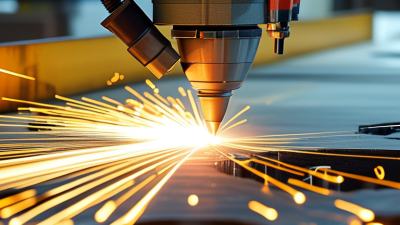
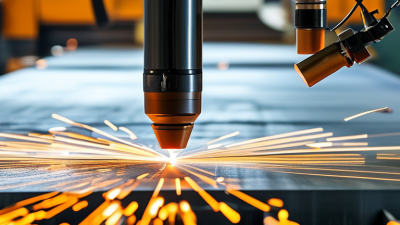
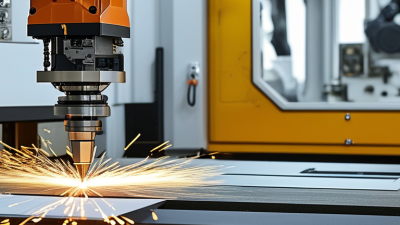
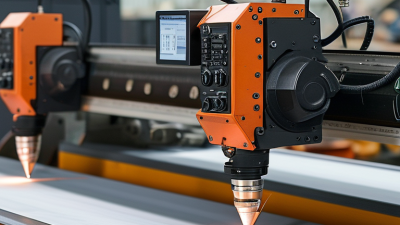
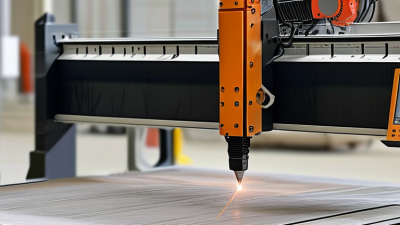
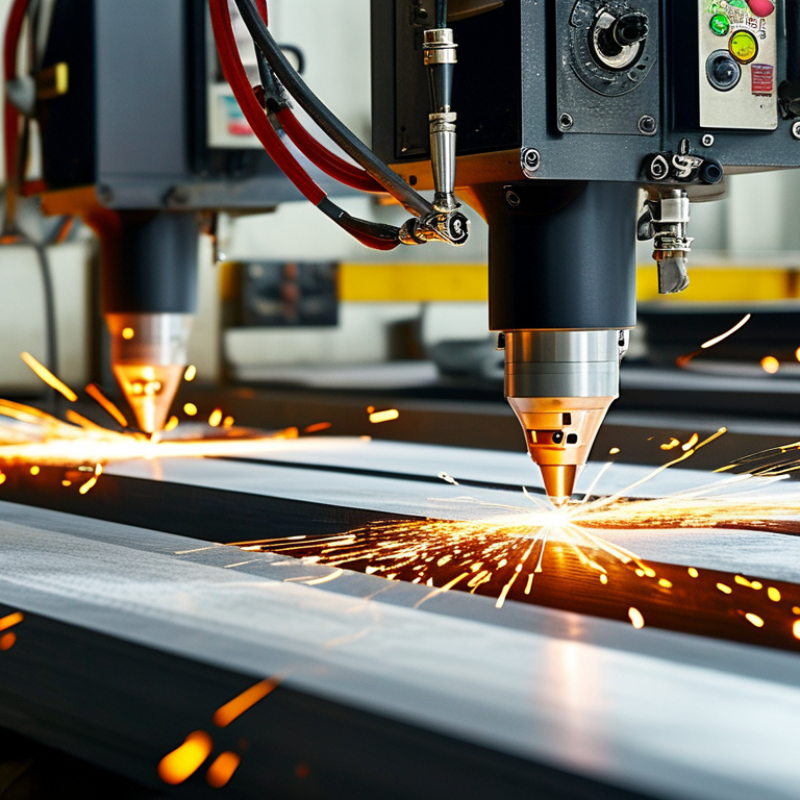
A fiber cutting machine uses a solid-state laser to cut metal sheets and tubes. Electrical energy powers laser diodes inside the source. The light travels through an optical fiber, then reaches a focusing head. A lens concentrates the beam into a tiny, intense point. Assist gas removes molten metal from the cut path. A CNC controller guides the head along programmed lines.

Fiber lasers typically operate near a 1.06-micrometer wavelength. Metals absorb this wavelength efficiently, especially steel, stainless steel, and aluminum. The process creates narrow kerfs, clean edges, and limited heat distortion. According to Fortune Business Insights’ Laser Cutting Machine Market report, the global market was valued above 5 billion dollars in 2023. Its projected growth reflects rising demand for automated metal processing. However, speed depends on thickness, material quality, nozzle alignment, and operator settings. It is not magic.

Tips: Inspect the protective lens daily. Keep the nozzle centered. Test a small sample before production. Record power, speed, and gas pressure for repeat jobs.

In practical workshops, fiber cutting can reduce setup time and support complex shapes without dedicated dies. Energy use is often lower than older laser technologies, according to industry comparisons from the U.S. Department of Energy. Still, the machine requires ventilation, maintenance, and trained supervision. A cheaper purchase may become expensive when service access and consumables are ignored. That part deserves more honest planning.

Which Materials and Industries Can Fiber Cutting Machines Serve?

Why Choose a Fiber Cutting Machine for Your Business?

Which Materials and Industries Can Fiber Cutting Machines Serve?

Fiber cutting machines are designed mainly for metal processing. They can cut carbon steel, stainless steel, aluminum, brass, and copper with controlled speed. They suit sheet metal, tubes, and some structural profiles. In a busy workshop, clean edges can reduce grinding and rework. However, fiber cutting is not a universal solution. It is unsuitable for many nonmetal materials, and highly reflective metals require careful machine settings.

These machines serve automotive parts, HVAC equipment, kitchen fabrication, agricultural machinery, electrical cabinets, and architectural metalwork. They also support sign production and custom fabrication. A narrow kerf helps create detailed shapes, while low heat input can limit distortion. Still, thicker materials may need slower cutting and greater power. Results depend on material grade, thickness, nozzle condition, gas purity, and operator experience. A small test coupon often reveals problems before production begins.

Tips: Keep a material and parameter log. Check focus, assist-gas pressure, and lens cleanliness before each shift. Watch for excessive sparks, rough edges, or incomplete cuts. These signs may indicate incorrect settings or worn consumables. Use proper guarding, ventilation, and trained operators. A fiber machine can improve productivity, but rushed setup can waste expensive sheet metal. Review local safety requirements and the machine’s technical manual before regular operation.

What Business Benefits Does Fiber Laser Cutting Provide?

Fiber laser cutting can turn a busy fabrication floor into a more predictable operation. Its concentrated beam cuts steel, aluminum, and other sheet metals with narrow kerfs and limited heat distortion. That often reduces grinding, rework, and secondary finishing. Operators also gain faster setup changes because digital cutting files can move directly from design software to production.

The commercial case is measurable, but not automatic. MarketsandMarkets’ 2024 Laser Cutting Machine Market report projects the sector to grow from about USD 5.7 billion in 2023 to USD 9.2 billion by 2028. This growth reflects demand for automation, precision, and shorter delivery cycles. The U.S. Department of Energy’s Industrial Decarbonization Roadmap also identifies energy efficiency as a major manufacturing priority. Fiber systems may support that goal through efficient beam generation and reduced material waste. Still, electricity savings depend on thickness, duty cycle, extraction, and maintenance. Promises of universal payback deserve skepticism.

Tips: Track scrap weight, cutting time, gas use, and rework for four weeks before buying. Test your common materials, not just a showroom sample. Use nesting software to improve sheet utilization. Keep lenses clean and inspect the nozzle regularly. A poorly maintained machine can erase expected gains quickly. Training matters too; an inexperienced operator may choose excessive power or speed, creating rough edges and hidden costs.

How Do Speed, Precision, and Automation Improve Production?

Why Choose a Fiber Cutting Machine for Your Business?

How Do Speed, Precision, and Automation Improve Production?

In a busy metalworking shop, speed is measured by completed parts, not promises. A fiber cutting machine moves the beam quickly across steel, aluminum, and other suitable sheets. Operators can prepare nested layouts that reduce scrap and shorten cutting cycles. That reduces idle time.

Precision matters just as much. A focused beam creates narrow cuts and clean edges with limited secondary finishing. Less heat can reduce distortion during fabrication. This helps parts fit more accurately during welding and assembly. Still, accuracy depends on clean optics, stable material, and correct settings. Small errors remain possible.

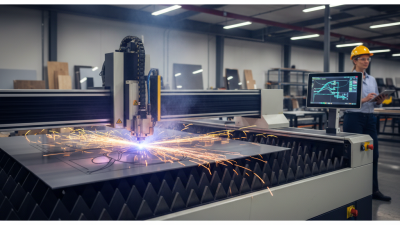
Automation changes the operator’s role. Sensors can monitor cutting height, gas flow, and movement during production. Automatic height control can follow slightly uneven sheets. Job files can also repeat approved settings for similar orders. This consistency supports reliable records and easier quality checks.

Experienced operators still inspect the first cut, measure a sample, and adjust unusual results. Training is essential. Poorly organized files can waste the time automation was meant to save. A short pause for inspection may feel inefficient, yet it can prevent an entire batch from failing.

The first cut still deserves careful attention.

What Should Businesses Consider Before Choosing a Fiber Cutting Machine?

Why Choose a Fiber Cutting Machine for Your Business?

What Should Businesses Consider Before Choosing a Fiber Cutting Machine?

Choosing a fiber cutting machine begins with your actual production needs. Measure your common materials, sheet sizes, thicknesses, and daily cutting hours. A machine designed for thin steel may struggle with thicker aluminum. A higher wattage may look impressive, but that can become an expensive mistake. Keep the workload realistic.

Check cutting speed, edge quality, kerf width, and positioning accuracy. Ask for sample cuts using your own material, not a supplier’s perfect demonstration piece. Inspect corners, small holes, and heat-affected edges. These details reveal practical performance. Also examine the control system. Operators need clear settings, repeatable results, and simple fault messages.

Operating costs deserve equal attention. Compare electricity use, assist-gas consumption, replacement lenses, nozzles, filters, and scheduled maintenance. Confirm whether trained technicians and spare parts are available locally. Production can stop because of one small component. That risk is easy to underestimate. Safety features, enclosure design, ventilation, and operator training should meet applicable workplace requirements. A reliable machine supports consistent work, but it cannot replace disciplined maintenance. Businesses should also calculate payback using realistic orders, downtime, labor, and installation costs. The final number may be less attractive than expected, and that is useful to discover before purchase.

Why Choose a Fiber Cutting Machine for Your Business? - What Should Businesses Consider Before Choosing a Fiber Cutting Machine?

Decision Dimension Typical Fiber-Cutting Profile What Businesses Should Consider Potential Business Impact
Material Compatibility Well suited to electrically conductive metals such as carbon steel, stainless steel, aluminum, brass, and copper. Confirm the materials, thicknesses, surface conditions, and sheet sizes required for current and planned orders. Non-metallic materials generally require a different cutting technology. Choosing the correct process reduces rejected parts and avoids investing in equipment that cannot support the intended product range.
Cutting Thickness Common production systems are configured for thin- to medium-gauge sheet and plate work. Maximum thickness depends on laser power, material type, assist gas, and cutting parameters. Compare the machine's rated capacity with the company's most frequently processed thicknesses, not only its maximum advertised thickness. A suitable operating range improves productivity, edge quality, and consistency across regular jobs.
Cutting Speed Fiber lasers can process many thin-sheet applications at high speed, particularly when compared with slower thermal or mechanical methods for suitable materials. Request cycle-time tests using actual materials, thicknesses, contours, and hole sizes. Maximum speed figures alone do not represent complete production time. Shorter cutting cycles can increase machine utilization and help businesses handle more orders with the same production area.
Edge Quality Accurate laser focusing and controlled parameters can produce narrow kerfs, precise contours, and limited heat-affected zones. Inspect sample parts for burrs, taper, dross, hole roundness, corner quality, and dimensional repeatability. Improved edge quality may reduce secondary grinding, deburring, and finishing work.
Laser Power Selection Available power levels range from lower-power systems for thin sheet to higher-power systems for thicker materials and higher throughput. Base the selection on material mix, thickness distribution, target throughput, duty cycle, budget, and expected future demand. Too little power may restrict production, while excessive power can increase purchase, electrical, and operating costs without sufficient utilization.
Operating Costs Fiber laser systems generally do not require the resonator gas used by many CO₂ laser systems and often use electrical energy efficiently for metal cutting. Calculate electricity, assist gases, lenses, nozzles, protective windows, filters, cooling, extraction, labor, and scheduled service costs. A complete cost model gives a more reliable estimate of cost per part than purchase price alone.
Maintenance Requirements Fiber sources typically have few or no user-serviceable moving optical components, but the cutting head, optics, cooling system, extraction unit, and motion system still require maintenance. Check preventive-maintenance intervals, spare-part availability, technician response time, training requirements, and remote-support options. Reliable maintenance support helps reduce unexpected downtime and protects delivery schedules.
Automation Potential Many systems can be integrated with sheet loaders, unloaders, storage towers, pallet changers, nesting software, and production-management systems. Assess order volume, batch sizes, labor availability, floor space, loading frequency, and compatibility with existing software. Automation can reduce manual handling and support longer unattended production periods when order volume justifies the investment.
Machine Bed and Sheet Size Common working areas are designed around standard sheet formats, while larger beds support larger parts or fewer repositioning operations. Match the bed size to standard purchased sheets, part dimensions, material handling equipment, and available factory space. The correct format can improve nesting efficiency, reduce remnant material, and limit unnecessary repositioning.
Software and Nesting CAD/CAM and nesting software can optimize toolpaths, part layouts, lead-ins, micro-joints, and material usage. Verify compatibility with existing CAD files, post-processors, nesting functions, job libraries, operator training, and software licensing terms. Effective programming can improve material yield, simplify repeat orders, and reduce setup time.
Safety and Compliance Enclosed laser systems, interlocks, fume extraction, fire protection, and suitable personal protective procedures are important for safe operation. Review applicable workplace regulations, laser classification, enclosure design, ventilation, emergency stops, fire-risk controls, and operator training. Proper compliance reduces operational risk and supports a safer, more dependable workplace.
Floor Space and Utilities A complete installation may require the machine, chiller, dust or fume extractor, air compressor, gas supply, electrical service, and material-loading area. Measure access routes and floor loading, then confirm electrical capacity, compressed-air quality, cooling requirements, ventilation, and gas-storage rules. Planning utilities in advance helps prevent installation delays and unexpected facility costs.
Labor and Training Modern controls can simplify operation, but setup, material selection, parameter management, troubleshooting, and maintenance still require trained personnel. Estimate operator skill requirements, training duration, shift coverage, programming responsibilities, and backup personnel. Appropriate training improves machine utilization, part quality, and workplace safety.
Return on Investment Financial performance depends on utilization, chargeable machine hours, material yield, labor savings, maintenance, financing, and production volume. Build a business case using real order data, including current outsourcing costs, setup time, scrap, labor, consumables, service, depreciation, and financing. A data-based investment decision provides a clearer payback estimate and reduces the risk of overcapacity.
Supplier and Service Support Equipment performance depends on installation quality, application support, spare parts, software updates, and technical response. Compare warranty coverage, commissioning, operator training, local service capability, spare-part lead times, and service-level commitments. Strong support can reduce downtime and help the business achieve stable production sooner.

Note: Performance, operating cost, and thickness capability vary according to machine configuration, material grade, assist gas, cutting parameters, facility conditions, and production practices. Businesses should validate the figures with sample cutting tests and a site-specific cost analysis before purchasing.

Contact Us Today for a Free Quote

(800) 708-6036