Top Laser Cutting Techniques for Global Buyers How to Choose?
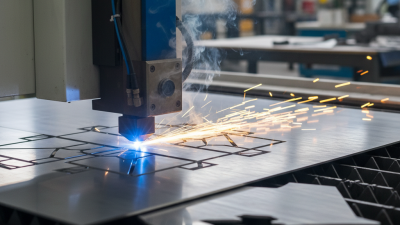
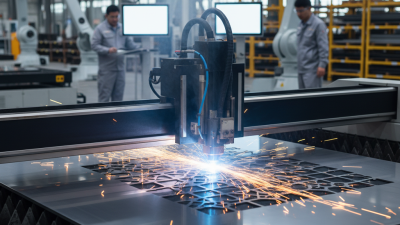
In the realm of manufacturing, laser cutting has emerged as a vital technique for precision and efficiency. This technology offers unmatched control over complex designs. It allows businesses to cut through a variety of materials with accuracy and speed. As global buyers seek the best laser cutting solutions, understanding the various techniques becomes crucial.
Different methods of laser cutting cater to unique needs. Buyers must consider factors like material type, thickness, and desired finish. Quality and cost are also significant aspects. However, making the right choice can seem overwhelming. Buyers often face the risk of selecting an ill-suited method, which could lead to waste and increased production costs.
As you dive into this guide, reflect on your specific applications. Each industry demands different laser cutting capabilities. Balancing expertise with personal and market needs will guide you towards effective decisions. Embracing the right technology ensures enhanced productivity and superior outcomes.
Understanding Laser Cutting Techniques and Their Applications
Laser cutting techniques offer precision and versatility for various applications. Buyers must understand the differences among these techniques to make informed decisions. Common methods include CO2 laser cutting, fiber laser cutting, and Nd:YAG laser cutting. Each technique has unique benefits and suitability depending on the material being cut.
CO2 lasers excel in cutting non-metal materials like wood and acrylic. They produce clean edges and are suitable for intricate designs. Fiber lasers, however, are ideal for metals, providing faster cutting speeds and greater efficiency. Nd:YAG lasers are less common but are useful for certain specific applications, notably in medical and jewelry manufacturing.
When choosing a laser cutting technique, consider the material, thickness, and production volume. It's crucial to match the right technique to your specific project needs. Factors like maintenance costs and ease of use also matter.
Stay updated on advancements in laser technology. Innovations can improve efficiency and reduce costs. Engaging with experts can provide insights and deepen your understanding. Don't hesitate to seek guidance if you're unsure about the process. Every decision impacts your outcomes. Consider potential challenges carefully before committing to a technique.
Key Factors to Consider When Selecting a Laser Cutting Method
When selecting a laser cutting method, it’s crucial to consider several key factors. Material type plays a significant role. Different materials react differently to laser cutting. For example, metals may require more power than plastics or wood. Understanding the characteristics of your chosen material will help determine the best method.
Another important factor is thickness. Thicker materials typically necessitate stronger lasers. This increases costs and requires more planning. Be mindful of the desired precision level. Some techniques excel at intricate designs and fine details, while others may not. Consider what level of detail is appropriate for your project.
Think about volume requirements too. High-volume production often demands efficient methods. Do you need speed, or is accuracy more important? This decision can influence the laser type you choose.
Take time to reflect on your specific needs. Efficiency and quality should not come at the expense of each other. Evaluating your options carefully can lead to better outcomes. Always consult with industry experts if uncertainties arise. Regularly reviewing your choices can also enhance your decision-making process.
Comparing Different Laser Technologies: CO2 vs. Fiber vs. Solid-State
When evaluating laser cutting technologies, the choice often comes down to CO2, fiber, and solid-state lasers. Each type serves different applications and materials, making it crucial to select the right technology for specific needs. CO2 lasers excel in cutting non-metal materials like wood and acrylic. They produce a high-quality finish and are widely used in the arts and crafts sectors. However, they struggle with metals and may not be as energy-efficient as their counterparts.
Fiber lasers have gained popularity due to their ability to cut metals with precision and speed. They dominate industries that require high throughput, such as automotive and aerospace. Fiber lasers are known for their low maintenance and longer lifespan. However, they can be more expensive to install. Solid-state lasers, while less common, provide focused energy and are efficient for specific applications. They can be surprisingly versatile but may not suit all industries. This variability in performance and cost requires careful consideration.
Each technology brings unique strengths and weaknesses. The choice depends on factors like material type, cutting speed, and budget. Buyers should reflect on their specific needs and analyze each laser's characteristics. Sometimes, what seems like the best option on paper may not deliver in practice. A careful assessment can prevent costly mistakes and ensure a better fit for your laser cutting requirements.
Comparison of Laser Cutting Technologies
Evaluating Cost-Effectiveness of Laser Cutting Options for Buyers
When evaluating the cost-effectiveness of laser cutting, buyers must consider various factors. A study by MarketsandMarkets reports that the laser cutting market is expected to grow from $4.4 billion in 2020 to $6.9 billion by 2025. This expansion highlights the increasing reliance on laser technology across different industries.
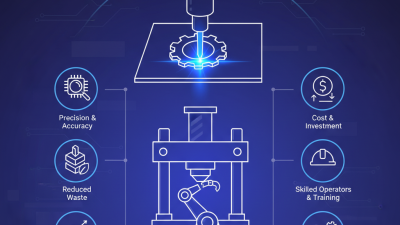
Operational efficiency is key. Laser cutting offers precise cuts, reducing waste and material costs. A report from ResearchGate shows that this technique can save up to 20% on material costs compared to traditional methods. However, the initial investment in laser cutting machines can be significant. The cost of entry might deter some, but the long-term savings can outweigh these concerns.
Buyers should also reflect on the specific application of laser cutting. Not all projects will benefit equally from this technology. For instance, while thin materials can be cut efficiently, thicker materials might not yield the same cost benefits. Industry data indicates a nuanced approach is essential for identifying the right applications for laser cutting. Understanding these complexities can help buyers make informed decisions.
Future Trends in Laser Cutting: Innovations to Look For
The laser cutting industry is experiencing rapid advancements, largely driven by innovations in technology. According to a recent market analysis report, the global laser cutting market is expected to grow at a CAGR of 7.0% from 2023 to 2028. This growth is attributed to increasing demand in sectors like aerospace, automotive, and medical devices. These industries are embracing new laser technologies for enhanced precision and efficiency.
One of the notable trends is the development of fiber lasers. Reports indicate that fiber lasers have eclipsed CO2 lasers in various applications due to their higher efficiency and lower operational costs. They provide better cutting quality and are also more adaptable to different materials. Additionally, hybrid laser cutting systems are gaining traction. These systems combine laser cutting with other processes, increasing versatility in manufacturing.
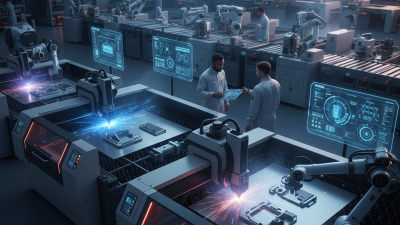
The move towards automation is also significant. Integrating AI with laser cutting machines optimizes processing times and reduces waste. An industry survey found that companies adopting automated laser systems reported a 20% increase in productivity. Still, there are challenges to consider. The initial investment in advanced laser systems can be substantial, and training personnel remains a hurdle. Exploring these innovations requires a careful balance between cost and efficiency.
Top Laser Cutting Techniques for Global Buyers
| Technique |
Applications |
Material Compatibility |
Future Trends |
| CO2 Laser Cutting |
Wood, acrylic, textiles |
Wood, plastic, glass |
Increased speed and precision |
| Fiber Laser Cutting |
Metal fabrication, automotive |
Steel, aluminum, copper |
Higher power efficiency |
| Crystal Laser Cutting |
Jewelry, intricate designs |
Glass, quartz |
Miniaturization and portability |
| Ultrafast Laser Cutting |
Biomedical applications |
Biomaterials, polymers |
Enhanced material processing |
| Hybrid Laser Cutting |
Complex shapes, multi-materials |
Mixed materials |
Integration of different technologies |