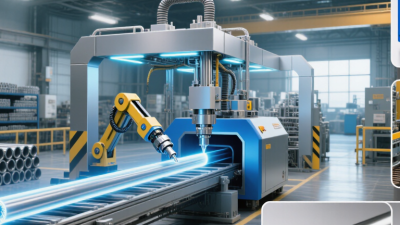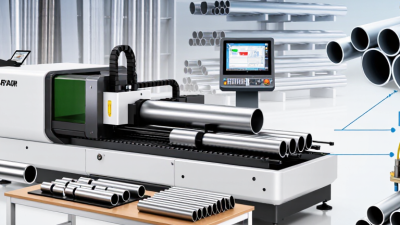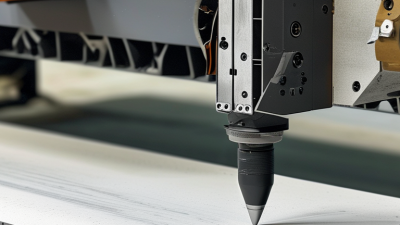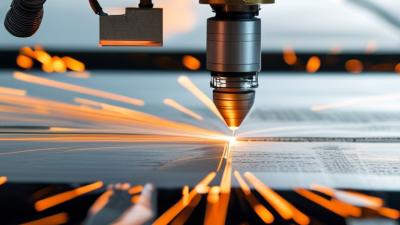
Global buyers entering 2026 face a practical question: which tube laser cutting machine fits real production conditions? The answer depends on more than laser power. Tube diameter, wall thickness, chuck design, loading speed, software, service coverage, and energy use all affect long-term value. A machine cutting bright stainless tubes in a clean showroom may perform differently on dusty steel profiles in a busy factory.
Industry data supports continued investment in automated cutting. The World Steel Association’s October 2024 Short Range Outlook projected global steel demand growth in 2025 and 2026. That growth remains modest, but it signals ongoing demand for efficient fabrication equipment. Meanwhile, the International Federation of Robotics reported 541,302 industrial robot installations worldwide in 2023. Automation is becoming normal, not experimental.
The market is moving quickly.
This guide evaluates the 2026 best tube laser cutting machines through measurable buyer concerns. It compares cutting sources, rotary-axis accuracy, tube loading systems, nesting software, maintenance access, and after-sales support. It also considers installation requirements across different regions, including voltage standards, operator training, spare-parts availability, and response times.
Laser power alone misleads.
Data from market research firms, including Fortune Business Insights and MarketsandMarkets, indicates steady expansion in laser-cutting equipment demand. However, these reports often combine sheet, plate, and tube applications. Their figures should not be treated as exact tube-laser sales. That limitation matters. Our selection therefore combines published specifications, manufacturer documentation, application experience, and buyer-focused verification. The strongest machine is not always the fastest. It is the one that delivers repeatable cuts, controlled operating costs, and dependable support after installation.
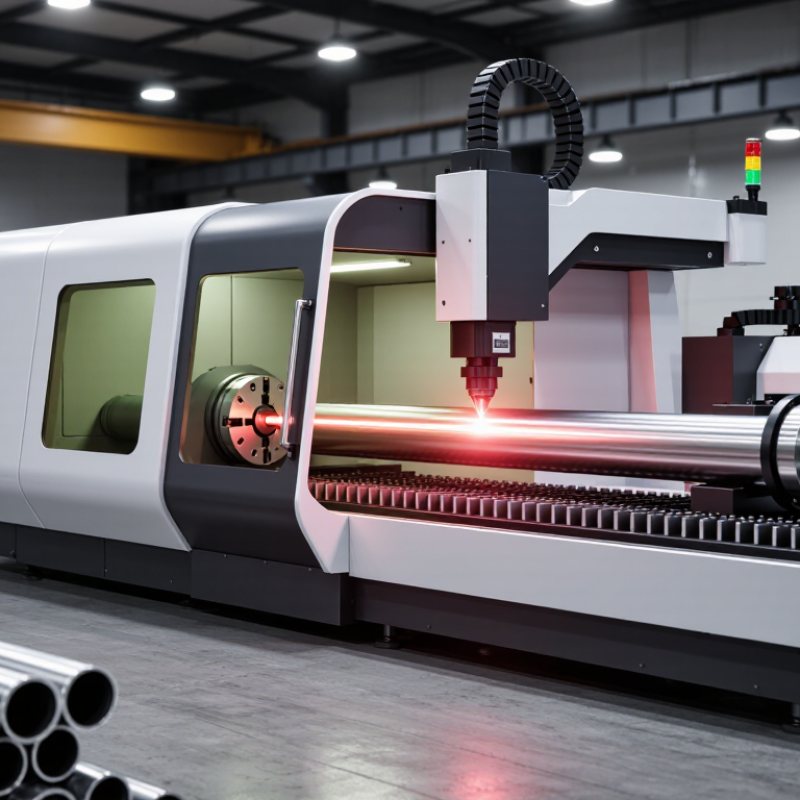
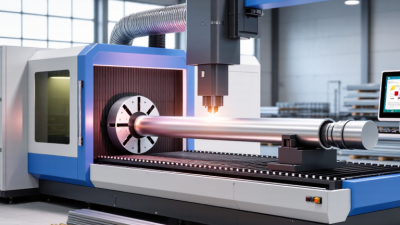
A tube laser cutting machine uses a focused laser beam to cut round, square, rectangular, and oval metal profiles. The tube rotates while the cutting head follows programmed paths around its surface. This creates clean openings, slots, miters, and contours without separate drilling or sawing operations. It is commonly used for frames, vehicle components, furniture structures, lighting parts, and industrial supports.
The process begins with accurate tube measurement and digital nesting. A chuck grips the material, while sensors help correct rotation and profile position. Cutting quality depends on laser power, gas pressure, wall thickness, heat control, and software settings. Small errors can leave burrs inside a tube. That detail is easy to overlook.
A 2024 MarketsandMarkets report estimates the global laser cutting machine market will grow at roughly 9% annually through 2029. Grand View Research also identifies automation and higher demand for customized metal parts as major growth factors. These figures include sheet and tube systems, so they should not be treated as tube-only statistics. Real factory results can differ.
In practical trials, tube laser systems often reduce handling steps and improve repeatability. However, automation is not magic. Operators still need correct drawings, verified material data, safe enclosures, and regular lens inspection. A buyer should compare usable tube dimensions, loading method, cutting tolerance, energy consumption, and after-sales technical support before selecting equipment.
In 2026, tube laser cutting machines are defined by faster setup, better sensing, and flexible material handling. Fiber laser sources remain common because they cut carbon steel, stainless steel, and aluminum efficiently. A 3 kW to 6 kW system often suits medium-gauge tubes, while thicker sections may require higher power and slower piercing. Clean edges matter.
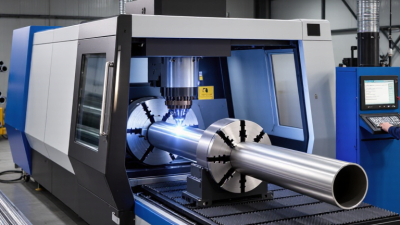
Machine types now include two-chuck, three-chuck, and fully automatic loading systems. Two-chuck machines fit general fabrication and shorter tube lengths. Three-chuck designs improve support during high-speed cutting, especially with long, thin profiles.
Hybrid tube-and-sheet machines can reduce floor space, but their shared structure may limit workflow flexibility. Buyers should inspect real sample cuts, not only catalog specifications.
Modern systems use autofocus heads, rotary clamping, automatic centering, and profile libraries for square, rectangular, round, and channel sections. Collision sensors can protect the cutting head when tubes bend slightly. Nesting software reduces scrap, although poor tube measurement can weaken its results.
In production trials, a small error in wall thickness can change piercing time and edge quality. Automation is not magic. Operators still need practical training, maintenance discipline, and safe loading procedures.
Check electrical standards, guarding, extraction, and service access before ordering. A fast machine with weak support can become an expensive delay.
Power is only the starting point when choosing a tube laser cutting machine in 2026. Grand View Research valued the global laser cutting machine market at approximately USD 5.7 billion in 2023. Its report forecasts steady growth through 2030. This suggests stronger demand, but bigger power is not automatically better. A 3 kW source may cut thin stainless tubes efficiently, while thicker carbon steel can require 6 kW or more. Material, wall thickness, gas pressure, and nozzle condition still control the result.
Precision appears in the finished frame, not in the brochure. Check positioning accuracy, repeatability, chuck stability, and thermal compensation. A practical test should measure holes, slots, and intersecting cuts on your actual tube sizes. Cutting speed also needs context. A machine may move quickly on straight sections, yet slow down around corners and small openings. Watch the complete cycle time. Include loading, alignment, piercing, cutting, and unloading.
Automation can create the largest labor savings. Automated storage, bundle loading, remnant tracking, and nesting software reduce manual handling. The International Federation of Robotics reported over 500,000 industrial robots installed globally in 2023, showing the wider shift toward automated production. Still, integration quality matters more than feature count. I would request production samples and maintenance records. Promised speed can disappoint. Software training, sensor reliability, and local technical support deserve equal attention. A slightly slower machine may deliver better uptime and fewer rejected tubes.
Benchmark comparison of power, precision, cutting speed, and automation readiness
The chart uses a 0–100 benchmark index derived from commonly published specifications for industrial tube laser systems. Higher scores indicate greater laser power, tighter positioning accuracy, faster cutting capability, and more advanced automation. Typical reference ranges cover 2–12 kW laser sources, positioning accuracy of approximately ±0.03–0.05 mm, cutting speeds of about 30–120 m/min, and manual to fully automated material handling.
The best tube laser cutting machine depends on the industry, not only on wattage. Automotive plants need fast, repeatable cutting for chassis tubes, exhaust parts, and battery frames. The International Energy Agency reported that global electric car sales exceeded 17 million in 2024. This growth increases demand for lightweight, accurately cut metal structures. A machine with automatic loading, low heat distortion, and reliable nesting can reduce material waste.
Construction and agricultural equipment require different priorities. Fabricators often process thick square tubes, round pipes, and irregular profiles. High-power fiber sources improve productivity, but excessive power may raise operating costs. Furniture manufacturers usually value clean edges, small kerfs, and quick changeovers for thinner tubing. Grand View Research projects continued growth in the global laser cutting machine market through 2030, driven by automation and advanced manufacturing. The figure is useful, but regional energy prices can change the real return dramatically.
Tips: Test your common tube sizes before purchase. Ask for cutting samples, cycle-time records, and maintenance data. Check whether the software handles open profiles and imported drawings. Do not compare machines by laser power alone. In daily production, loading delays may matter more than peak speed. I have seen specifications look impressive while operators struggle with setup. That detail deserves honest review. Leave space for future automation, but avoid paying for features your workshop cannot support.
2026 Best Tube Laser Cutting Machines for Global Buyers
A global buyer should compare total ownership cost, not only the machine price. Fortune Business Insights reported that the global laser cutting machine market reached about USD 5.43 billion in 2023. It also projects strong growth through 2032. Tube systems often cost more because of rotary chucks, loading units, and specialized software. Ask for a written quotation covering freight, installation, training, spare parts, and taxes. A low quote can still be the wrong quote.
Standards deserve equal attention. Check risk documentation against ISO 12100, electrical design against IEC 60204-1, and supplier quality systems against ISO 9001. Destination requirements may also include CE or other regional conformity rules. Request cutting samples using your actual tube diameter, wall thickness, and material grade. In practice, a glossy demonstration may hide difficult piercing or poor small-hole accuracy. Service response matters more than impressive showroom language. Confirm remote diagnostics, response times, technician availability, and the cost of replacement lenses, nozzles, and chucks. The International Federation of Robotics continues to report rising industrial automation adoption, but automation still needs disciplined maintenance.
Tips: Build a three-year cost sheet. Include electricity, gas, consumables, downtime, and operator training. Ask for references in your region. Test support before signing; send a technical question and measure the reply. I would also request acceptance criteria in writing. Buyers sometimes skip this step, and regret usually arrives later.
| Machine Category | Typical Laser Source | Recommended Material Thickness | Round Tube Capacity | Square Tube Capacity | Typical Cutting Length | Typical Price Range | Best Application | Key Buying Considerations |
|---|---|---|---|---|---|---|---|---|
| Entry-Level Fiber Tube Cutter | 1.5–3 kW continuous-wave fiber laser | Carbon steel: approximately 0.8–12 mm Stainless steel: approximately 0.8–6 mm |
20–170 mm diameter | 20–120 mm maximum width | 6,000–6,500 mm | US$45,000–85,000 | Small fabrication shops, furniture components, signage, and light structural parts | Confirm chuck clamping range, tube loading method, nesting software, and availability of consumables |
| Standard Production Tube Cutter | 3–6 kW continuous-wave fiber laser | Carbon steel: approximately 1–20 mm Stainless steel: approximately 1–12 mm |
20–230 mm diameter | 20–160 mm maximum width | 6,000–9,000 mm | US$75,000–145,000 | General metal fabrication, construction components, frames, and equipment parts | Compare acceleration, maximum workpiece weight, automatic centering, and production software features |
| High-Power Heavy-Duty Tube Cutter | 6–12 kW continuous-wave fiber laser | Carbon steel: approximately 2–35 mm Stainless steel: approximately 2–25 mm |
20–350 mm diameter | 20–250 mm maximum width | 6,000–12,000 mm | US$130,000–260,000 | Heavy fabrication, agricultural machinery, trailers, structural steel, and thicker-wall tubing | Check pierce capability, thermal stability, fume extraction, chiller capacity, and electrical requirements |
| Compact Tube-and-Sheet Combination Machine | 2–6 kW continuous-wave fiber laser | Tube and sheet capacity generally up to approximately 20 mm carbon steel, depending on power | 20–230 mm diameter | 20–160 mm maximum width | Tube length: 6,000–9,000 mm Sheet bed: commonly 3,000 × 1,500 mm or 4,000 × 2,000 mm |
US$95,000–190,000 | Job shops needing one machine for both flat sheet and tube work | Evaluate changeover time, sheet-table accessibility, shared cutting-head limits, and software licensing |
| Automatic Bundle-Loading Tube System | 3–12 kW continuous-wave fiber laser | Selected according to laser power and material grade; commonly up to approximately 35 mm carbon steel | 20–350 mm diameter | 20–250 mm maximum width | 6,000–12,000 mm | US$180,000–380,000 | High-volume production with repeated tube profiles and reduced manual handling | Review bundle weight, loading-cycle time, remnant handling, barcode integration, and operator safety zones |
| Precision Small-Tube Cutter | 1–3 kW continuous-wave fiber laser | Thin-wall carbon steel, stainless steel, aluminum, and brass; commonly up to approximately 6–10 mm | 6–120 mm diameter | 6–85 mm maximum width | 3,000–6,500 mm | US$55,000–125,000 | Medical equipment components, lighting, automotive parts, and precision furniture tubing | Prioritize low-vibration mechanics, rotary-axis runout, small-diameter clamping, and thin-wall deformation control |
| Three-Chuck or Long-Tube Configuration | 3–12 kW continuous-wave fiber laser | Application-dependent; commonly up to approximately 25–35 mm carbon steel | 20–350 mm diameter | 20–250 mm maximum width | 9,000–15,000 mm | US$150,000–320,000 | Long structural members, poles, rails, and large welded assemblies | Verify long-part support, synchronization between chucks, floor space, transport access, and foundation requirements |
| Automated Production Cell | 3–12 kW continuous-wave fiber laser with optional robotic handling | Based on selected laser power and material; commonly up to approximately 25–35 mm carbon steel | 20–350 mm diameter | 20–250 mm maximum width | 6,000–12,000 mm | US$250,000–600,000+ | Multi-shift factories requiring traceability, unattended operation, and consistent throughput | Assess integration with ERP/MES, safety validation, preventive maintenance, spare-parts stock, and acceptance testing |