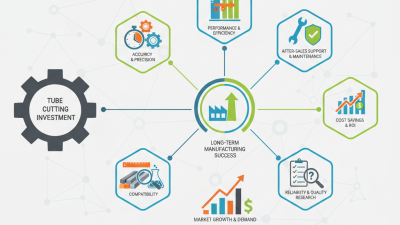
How to Choose a Tube Laser Machine in 2026?
Choosing a tube laser machine in 2026 means matching its capabilities to the parts your shop actually makes. A compact system may suit short runs, while a high-capacity line can handle longer tubes and heavier workloads. But headline speed is only one part of the decision. Consider tube diameter, wall thickness, material type, cut quality, loading method, floor space, and operator training. Look closely at a sample cut. Check the edge, the burr, and how much finishing it needs.
A useful shop-floor principle is, “Choose for the parts you run, not the features you admire.” This is practical guidance, not a quotation attributed to a named expert; verify any expert quotation before publication. A reliable evaluation should include real production data, service response times, consumable costs, and the machine’s performance on your own tube profiles. Ask the supplier to run representative parts, including awkward shapes and tight tolerances. Watch the setup, not just the cutting. Small delays add up.
This guide explains how to compare a tube laser machine by application, automation, software, support, and total ownership cost. It also highlights questions that brochures can leave unanswered, such as how quickly changeovers happen and what maintenance looks like after a year. Some trade-offs are inconvenient. A faster machine may need more space, and automation may not pay off for every shop. Keep room for doubt. Your production mix can change.
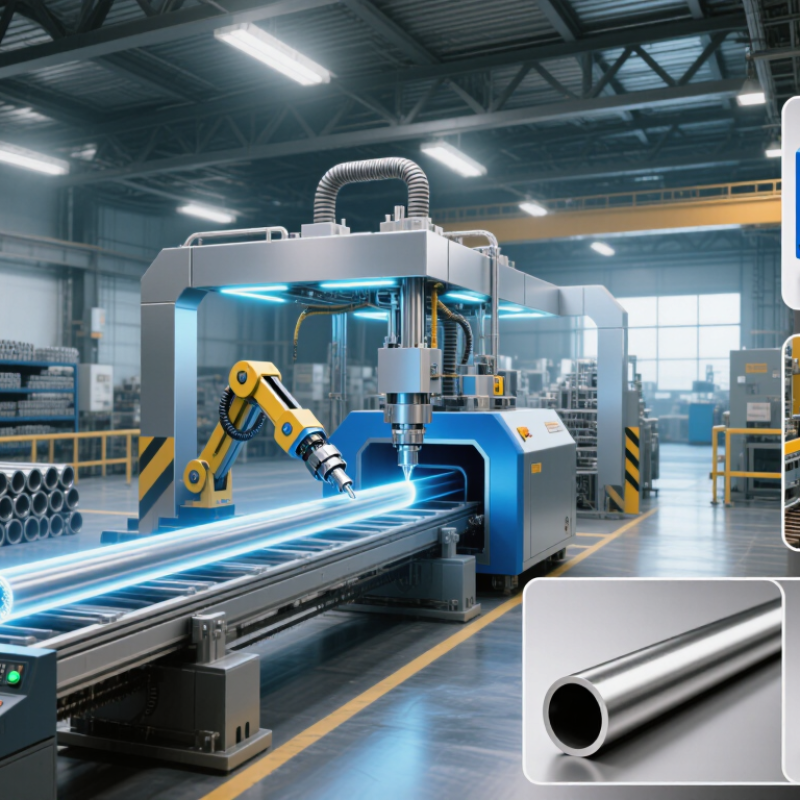
Identify Tube Materials, Dimensions, and Production Requirements
Choosing a tube laser machine starts with the tube, not the machine’s headline speed. Record material grade, outside diameter, wall thickness, length, and straightness. A 40 mm stainless tube behaves differently from a thin-wall aluminum profile, especially during piercing and cutting. Reflective metals may need different process settings, while heavy sections demand stable clamping and enough cutting capacity. Measure the real tube. Include the tolerance range, not just the nominal size; supplier variation can affect loading and cut accuracy.
Production needs matter just as much. Estimate daily hours, batch sizes, changeovers, required tolerances, and whether parts need angled cuts or holes.
World Steel Association’s World Steel in Figures 2025 reports global crude steel production of about 1.88 billion tonnes in 2024. That scale signals steel’s industrial importance, but it does not tell you which machine fits your shop. Your own mix of steel, stainless, aluminum, or copper is more useful.
Ask for a cutting test using representative tubes, including the thinnest wall and longest part. Check loading time, scrap, edge quality, and finished-part repeatability. A small caveat: test results can differ from daily output. Review the full shift cycle, not one clean sample.
Match Laser Power and Cutting Capacity to Your Workload
How to Choose a Tube Laser Machine in 2026?
Match the machine to the tubes you actually process, not the largest job you might receive once a year. Laser power affects cutting speed and the thickness a system can handle, but it is only one part of the decision. Consider tube material, wall thickness, diameter, and the cut quality your customers expect. A machine that cuts thin stainless steel quickly may not suit thick-walled profiles. It depends.
Review the manufacturer’s cutting charts for your specific material and dimensions. Check the minimum and maximum tube diameters, loading method, chuck range, and supported tube shapes. Then compare those limits with a week of real orders. If most jobs use small-diameter tubes, oversized capacity could mean higher costs without useful gains. I would leave some room for workload growth, though forecasting demand is never exact. Ask for a sample cut using your own material, and inspect the edge, corners, and finished dimensions.
Tips: List your five most common tube sizes and wall thicknesses. Compare their cutting times at different power levels, including setup and loading. Ask about assist-gas needs, maintenance intervals, and operator training. A fast cut matters less if the machine sits idle between jobs.
Compare Machine Configurations, Automation, and Control Systems
A tube laser’s headline wattage rarely tells the whole story.
Match the machine configuration to your actual mix of round, square, and open profiles. Check maximum diameter, wall thickness, tube length, chuck range, and whether angled cuts are routine. A compact, two-chuck layout may suit short parts, while long tubes need stable support and reliable material handling. Ask suppliers to run your own drawings and material—not only a polished sample.
Automation changes the economics.
Bundle loading, automatic centering, part sorting, and remnant tracking can reduce handling between cuts. But they add setup needs and floor-space demands. The International Federation of Robotics’ World Robotics 2024 report recorded 541,302 industrial robot installations worldwide in 2023. That figure signals broader automation growth, not tube-laser adoption specifically. Keep the distinction clear. For mixed, low-volume work, flexible loading may beat a faster line that needs frequent tending.
Control systems deserve a hands-on test.
Check CAD/CAM import, nesting, collision simulation, process libraries, and whether operators can recover from a misfeed without calling an engineer. Request a timed trial using your real profiles, material grades, and changeovers. Compare usable parts per shift, not just cutting speed. A neat specification sheet can still mislead. I would also question any quoted productivity figure that excludes loading, scrap, and setup time.
Evaluate Accuracy, Safety, Service, and Total Ownership Costs
How to Choose a Tube Laser Machine in 2026?
Evaluate Accuracy, Safety, Service, and Total Ownership Costs
When comparing tube laser machines in 2026, test the parts you actually make, not just sample coupons. Ask suppliers to cut your smallest hole, longest profile, and tightest miter in the same material and wall thickness. Measure finished parts after unloading; heat and clamping can shift results. Check repeatability across a small batch, not just one clean cut. Small differences matter.
Accuracy also depends on tube support, chuck alignment, nesting software, and operator setup. Request a run-off using your drawings, then inspect edge quality, burrs, and cut-to-cut variation. For safety, look for enclosed cutting, interlocked access panels, fume extraction, and clear procedures for loading long stock. Watch an actual loading cycle. Check it twice.
Service is practical, not just a promise on a sales sheet. Confirm response times, spare-part availability, training hours, and who diagnoses software or motion faults. Ask what maintenance takes each week: lens checks, nozzle changes, lubrication, and cleaning can interrupt shifts. Calculate ownership cost over several years, including power, assist gas, consumables, extraction filters, labor, and planned downtime. Compare cost per acceptable part, not just purchase price. Estimates will be imperfect; keep assumptions visible and revisit them after a trial.
How to Choose a Tube Laser Machine in 2026?
Evaluate accuracy, safety, service, and total ownership costs using these suggested buyer-defined weights. They are a planning framework, not industry-measured benchmarks.
Score each machine against documented specifications and service commitments. Include energy, consumables, maintenance, and potential downtime when comparing ownership costs.
Verify Supplier Credentials and Test Machine Performance Before Purchase
A tube laser can look impressive in a showroom, but a polished demonstration is not proof of reliable production. Ask the supplier for business credentials, relevant quality certificates, technician qualifications, and references from customers with similar materials and workloads. Confirm certificates with the issuing organization, and speak directly with a recent customer if possible. Ask who handles installation, training, and repairs, and how quickly common replacement parts can be supplied. Vague answers deserve a pause.
Tips: Bring your own tube drawings and material samples. Request a written test report with settings, cycle time, cut quality, and measured tolerances. Keep the results.
During the trial, watch the full process—not just the finished edge. Check loading alignment, clamping, piercing, cutting, and unloading. Inspect several cuts for burrs, heat marks, and dimensional consistency. Run repeated parts; one clean sample can hide variation.
Record the tube dimensions, wall thickness, assist gas, and settings so you can compare results later. Ask the operator to show an error recovery, too. It may feel awkward to request this, but real production is rarely perfect. Make sure the machine meets your needs with your actual materials, not only the supplier’s preferred sample. After testing, compare the written results with your requirements before signing.