Why Choose a Fiber Laser for Industrial Cutting?

Why Choose a Fiber Laser for Industrial Cutting?

Industrial cutting demands more than raw power. It requires repeatable accuracy, controlled operating costs, and dependable performance across long production shifts. A fiber laser addresses these needs through an efficient optical design. Its beam travels through an optical fiber instead of a complex mirror system. This reduces alignment concerns and supports stable cutting on steel, stainless steel, aluminum, and other common materials.

Valentin Gapontsev, founder of IPG Photonics and a major figure in fiber laser development, said, “The fiber laser is the most reliable laser source ever created.” That statement reflects practical experience in demanding manufacturing environments. A modern fiber laser can produce narrow kerfs, sharp corners, and clean edges. Less post-processing may follow. Its electrical efficiency can also reduce energy consumption compared with older laser technologies. That difference becomes visible on a factory meter during continuous operation.

Still, the choice is not automatic. No machine is perfect. Material thickness, reflective metals, assist gas, nozzle condition, and operator training affect results. A powerful source cannot repair poor process control. That caveat matters. In real workshops, dust, vibration, and rushed maintenance can quietly reduce cutting quality. Buyers should compare total ownership costs, service support, software capability, and expected production volume. The cheapest quotation may become expensive after repeated downtime. A thoughtful evaluation therefore matters more than impressive wattage. For many manufacturers, fiber laser technology offers a practical balance between speed, precision, efficiency, and long-term reliability. Yet its value appears only when the entire cutting system is properly matched, monitored, and maintained.
Why Choose a Fiber Laser for Industrial Cutting?

How Fiber Laser Cutting Works in Industrial Applications

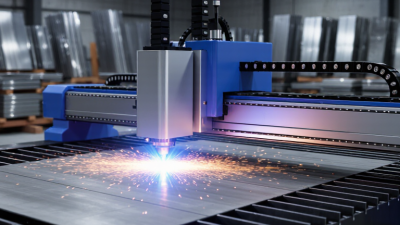
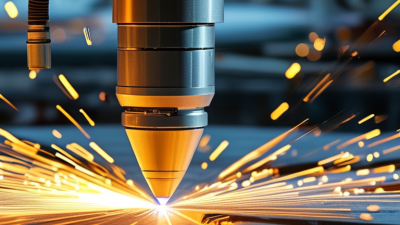
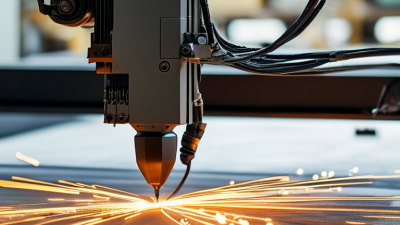
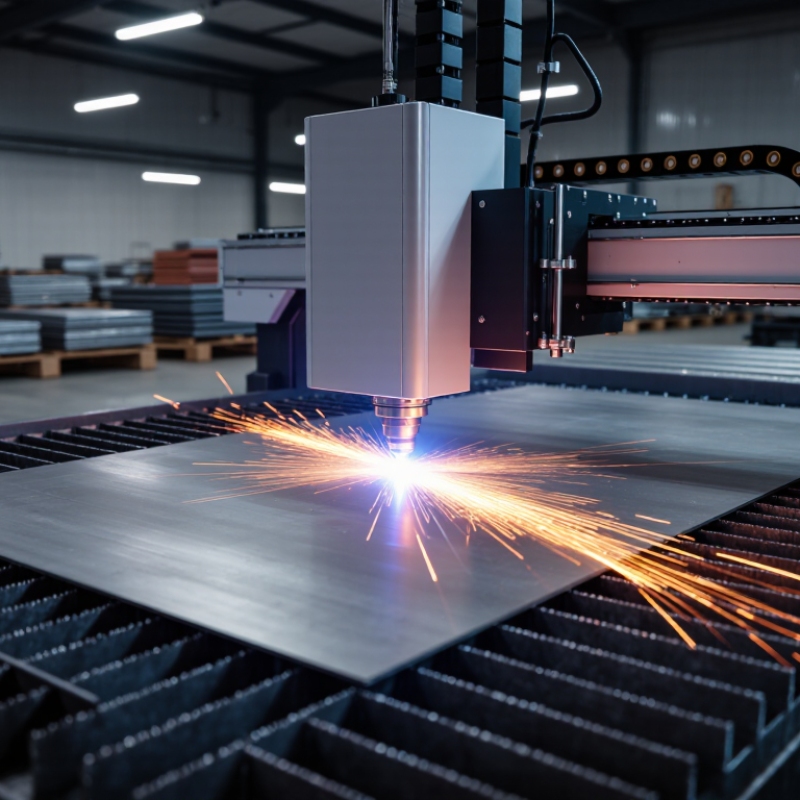
A fiber laser cutting system generates light inside a doped optical fiber. The beam travels through the fiber before reaching the cutting head. Lenses then focus it into a tiny, intense spot on the metal surface. This concentrated heat melts or vaporizes the material along a programmed path.

A CNC controller moves the cutting head across the sheet. Assist gas removes molten metal from the kerf. Oxygen can increase cutting speed on mild steel, while nitrogen often leaves cleaner edges on stainless steel and aluminum. The correct gas pressure, focal position, and travel speed must match the material thickness. Small changes matter.

The process is highly repeatable. It also wastes less material because the kerf is narrow. Operators can cut detailed brackets, enclosures, tubes, and machine components with minimal tool contact. A clean lens and stable nozzle are essential. Poor maintenance quickly affects edge quality.

It is not magic.

A wrong focus can create dross, rough corners, or incomplete cuts. Reflective metals may also challenge inexperienced settings. Production teams should verify parameters with test pieces before full-scale runs. In practical workshops, inspection remains necessary, even when software predicts excellent results. Safety interlocks, extraction systems, and suitable protective procedures protect both workers and equipment.

Key Advantages Over Traditional Cutting Technologies

Why Choose a Fiber Laser for Industrial Cutting?

Fiber lasers deliver clear advantages over traditional cutting technologies. A 2023 technical review from Fraunhofer ILT reports electrical-to-optical efficiency of roughly 30–40% for modern fiber lasers. Conventional CO2 systems often reach only 10–15%. This difference can reduce cooling demand and daily electricity use. It becomes visible on the factory floor: less heat, fewer consumable parts, and cleaner edges on thin steel sheets. Industry cutting studies also report faster processing on thin and medium materials, although results depend on power, gas pressure, nozzle condition, and operator settings.

Fiber lasers also offer strong beam quality and precise kerfs. They can cut stainless steel, carbon steel, aluminum, and reflective metals with suitable parameters. The U.S. Department of Energy identifies process optimization and reduced idle energy as practical routes to industrial efficiency. Still, fiber technology is not automatically superior. Thick plate cutting, poor ventilation, or incorrect assist-gas settings can erase expected gains. That is where experience matters. A fast machine can still produce expensive scrap.

Tips: Measure electricity per cut part, not only cutting speed. Record nozzle life, gas consumption, pierce time, and edge quality. Start with a controlled sample batch. Then compare results with your existing process. Independent testing is wiser than relying on brochure figures. Small errors remain common, especially during material changes. Regular lens inspection and parameter reviews protect accuracy, uptime, and operator safety.

Material Compatibility and Cutting Performance

A fiber laser suits many industrial metals because its focused beam transfers energy efficiently. Start with the material, not the machine. Mild steel cuts cleanly across common sheet thicknesses with the correct power and assist gas. Stainless steel often needs careful control of focus, speed, and heat input. Aluminum can cut quickly, but its reflectivity and thermal conductivity demand stable settings. Copper and brass require equipment designed to manage reflected energy. That assumption can fail.

Cutting performance depends on more than laser power. A narrow kerf can produce detailed profiles and reduce material waste. High travel speeds may improve output on thin sheet, while thicker plate needs slower motion and stronger gas flow. Nitrogen can help protect stainless edges from oxidation. Oxygen may increase cutting speed on carbon steel, but it can leave a darker edge. The result matters.

Real production work benefits from test cuts before a full batch. Examine burrs, corner quality, dross, and the heat-affected zone under practical lighting. Small changes in nozzle height or focus can alter the edge noticeably. Keep records for each alloy and thickness. Operators should also inspect lenses, nozzles, and gas pressure regularly. Fiber lasers are versatile, but they are not universal. Some reflective materials, heavy sections, or warped sheets may need another process. We learned this after trusting a standard recipe too long.

Why Choose a Fiber Laser for Industrial Cutting?

Fiber lasers efficiently cut common industrial metals because their near-infrared wavelength is well absorbed by steel, stainless steel, aluminum, brass, and copper. The chart shows representative cutting capability for a 6 kW fiber laser under standard production conditions.

Representative values: maximum practical thickness and approximate cutting speed for 3 mm sheet. Actual results vary with assist gas, nozzle condition, focus position, material grade, and machine setup.

Operational Costs, Maintenance, and Energy Efficiency

Why Choose a Fiber Laser for Industrial Cutting?

Operational cost often begins at the power meter. The U.S. Department of Energy reports electrical efficiency near 25–35% for fiber lasers, compared with roughly 10–15% for CO2 systems. This difference matters during long production shifts. A 6-kilowatt machine can consume less electricity while maintaining high cutting speed. The savings become visible in the meter readings, especially when cutting thin steel every day.

Maintenance is also simpler. Fiber systems use fewer mirrors, moving optical parts, and alignment procedures. That can reduce scheduled service and unexpected downtime. The Laser Institute of America notes that beam delivery stability strongly affects industrial laser reliability. Still, “low maintenance” does not mean maintenance-free. Dust on the protective window can create a small hot spot, followed by an expensive failure. Operators need clean air, correct assist-gas pressure, and regular inspection records. Small details matter.

Energy efficiency can also improve factory planning. Lower heat generation reduces cooling demand, although the chiller still needs proper sizing. The U.S. Department of Energy recommends measuring complete system energy, not only laser output. That includes compressors, chillers, extraction units, and standby power. Real results vary with material, thickness, duty cycle, and cutting strategy. A poorly programmed job can erase part of the expected savings. That is an uncomfortable but useful reminder. Accurate monitoring beats optimistic calculations.

Safety, Automation, and Production Scalability

Why Choose a Fiber Laser for Industrial Cutting?

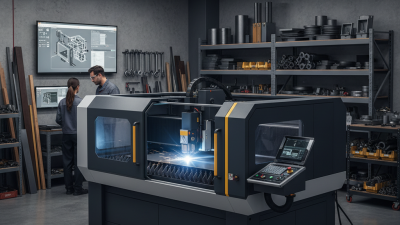
A fiber laser can improve workplace safety when the system is designed correctly. Enclosed cutting areas, door interlocks, fume extraction, and emergency stops reduce exposure to hazards. Operators should still receive practical training and follow documented procedures. Laser safety is not automatic. Poor maintenance can weaken even a well-designed system. Regular checks of guards, sensors, lenses, and extraction filters help keep protection reliable.

Automation supports consistent production. Automated loading, unloading, nesting, and parameter control can reduce manual handling and material waste. Real-time monitoring may also detect cutting problems before they create a larger batch of rejected parts. However, automation needs thoughtful setup. A rushed program, incorrect material data, or a dirty optical path can stop the line quickly. Human review remains valuable, especially during new material trials and unusual geometries.

Tips: Keep a maintenance log with dates, symptoms, and corrective actions. Test safety devices on a defined schedule. Start with a small automated workflow, then expand after measuring cycle time, scrap, and operator workload. Scalability should be practical, not merely impressive. A modular machine layout, compatible software, and flexible fixturing can support higher volumes without forcing an immediate factory redesign. The best results usually come from combining safe habits, verified process data, and honest production feedback. Mistakes still happen. Learn from them early.

Contact Us Today for a Free Quote

(800) 708-6036