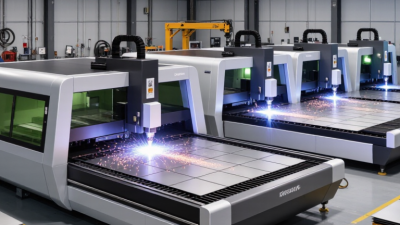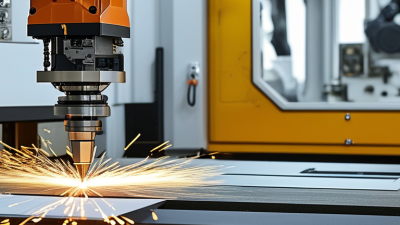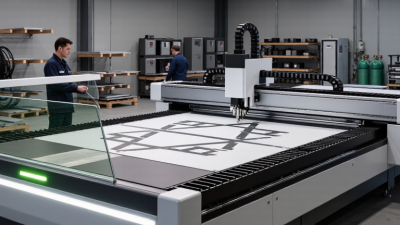
Choosing the right fiber laser cutter in 2026 requires more than comparing wattage and price. Manufacturers now offer flatbed systems, tube cutters, three-dimensional machines, and compact handheld units. Each design solves a different production problem.
A flatbed fiber laser cutter suits sheet-metal workshops needing repeatable cuts and stable positioning. Tube-cutting models add rotary chucks for pipes, square tubes, and structural profiles. Three-dimensional systems serve automotive and aerospace work, where curved surfaces demand careful beam control. Handheld models can reduce setup time, but they require stronger operator discipline and consistent safety procedures.
Dr. Valentin Gapontsev, founder of IPG Photonics, said, “Fiber lasers are the future of industrial lasers.” His statement reflects the technology’s efficiency, compact structure, and growing industrial adoption. Yet the quote should not end the discussion. Higher power does not automatically produce better results. A 6 kW machine may be wasteful for thin stainless-steel parts, while a lower-powered model may struggle with thick carbon steel. Cutting speed, pierce quality, gas consumption, software, and service support matter equally.
Look closely at the workpiece. A clean edge, minimal dross, and steady production rhythm reveal more than a brochure. I have seen buyers focus on initial cost and overlook maintenance access. That mistake can become expensive. This guide compares the main fiber laser cutter types, their practical strengths, and their limitations, helping readers match machine design with materials, production volume, and long-term skill requirements. No single model wins every workshop. That is the uncomfortable truth.
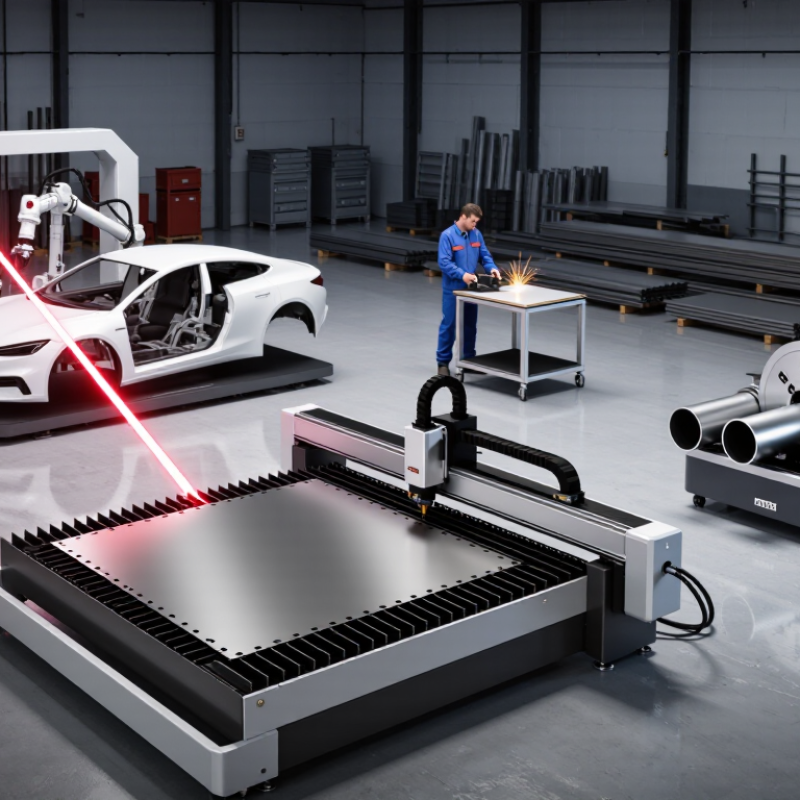
A fiber laser cutter is a computer-controlled machine for cutting metal with concentrated light. Its laser source creates a high-energy beam inside a special optical fiber. Diodes supply the energy that strengthens the beam. The beam then travels to a cutting head through a protected delivery path. A focusing lens reduces it to a tiny, intense point. The process is precise.
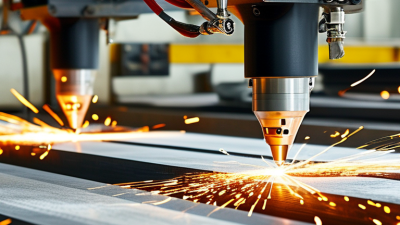
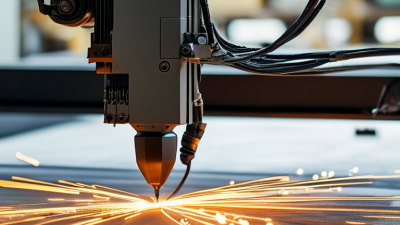
When the focused beam touches sheet metal, it rapidly heats and melts the material. Assist gas pushes molten metal away from the cut line. Oxygen can increase heat, while nitrogen often helps produce cleaner edges. A CNC system controls the head’s speed, height, and movement. Small changes matter. Lens cleanliness, gas pressure, and correct focus affect the final result.
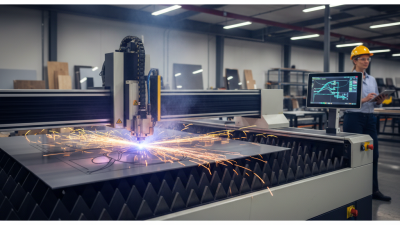
Fiber cutters commonly use flatbed tables for sheets, rotary attachments for tubes, or combined systems for mixed work. The best type depends on material size, thickness, production volume, and available floor space. In practical testing, thin steel may cut quickly, while reflective metals demand careful settings and suitable protection. I would not call the process effortless. A clean edge is not guaranteed, especially when operators copy settings without checking the material. Heat still matters. Regular inspection of the nozzle, lens, rails, and cooling system supports consistent performance and safer operation.
Fiber laser cutters are not one universal machine. Their main types are defined by the workpiece, cutting area, and production rhythm. Flatbed cutters handle sheet metal on a fixed table. They suit steel, stainless steel, and aluminum parts with repeated two-dimensional profiles. Tube and pipe cutters use rotating chucks and guided supports. They are better for frames, rails, and hollow sections. Sheet-and-tube machines combine both functions, but their added flexibility can increase setup complexity.
High-power models are designed for thicker plate and faster production. Lower-power systems often fit thin sheet, workshops, and maintenance departments. The choice is not simply about maximum wattage. A practical review should compare kerf quality, assist-gas use, loading time, and electrical demand. Small details matter.
Market data supports this expanding range. Grand View Research estimates the global fiber laser market will grow at about 11% annually from 2024 to 2030. Fortune Business Insights also projects strong growth in fiber laser cutting equipment through 2032. These forecasts indicate wider adoption, not automatic savings. A machine can become inefficient when its capacity exceeds daily work. I would measure actual thickness, batch size, and material mix before choosing. That step is often skipped. Mistakes remain expensive.
2026 Top Fiber Laser Cutter Types Which Is Best?
Key Features and Performance Factors to Compare
Fiber laser cutters now range from compact sheet machines to high-power systems for thick plate and tube work. MarketsandMarkets’ 2024 Laser Cutting Machine Market report values the sector at about USD 6.5 billion in 2023 and forecasts continued growth through 2028. That growth reflects wider adoption, but machine selection remains application-specific. A higher wattage is not automatically better.
Compare cutting speed, edge quality, piercing time, and energy use under real production conditions. For thin stainless steel, beam quality and acceleration may matter more than maximum power. For carbon steel plate, power reserve and stable gas delivery become critical. Tube cutters also require accurate rotary positioning, automatic centering, and reliable handling of long profiles. Small details matter.
Grand View Research identifies automation, high-speed processing, and improved operating efficiency as major market drivers. Ask for test cuts using your actual material, thickness, and nesting pattern. Examine the dross beneath the sheet. Check the first hole, not only the straight edge. Maintenance access, nozzle alignment, protective-window life, software usability, and operator training deserve equal attention. The overlooked weakness is often downtime.
A practical comparison should include hourly operating cost, assist-gas consumption, replacement parts, and service response. Published specifications can look impressive. They cannot show every corner, burr, or delayed piercing cycle. I would leave room for doubt and measure twice.
Compare typical maximum sheet-thickness capabilities across common fiber laser power classes. Higher power generally improves thick-plate capacity, while lower-power systems often deliver better economy and speed on thin sheet.
The figures represent typical upper-end working ranges for clean cuts in common metals. Actual performance depends on material grade, assist gas, nozzle setup, optics, beam quality, and machine configuration.
How to Choose the Best Fiber Laser Cutter in 2026
Choosing the best fiber laser cutter in 2026 starts with your daily production needs. A machine for thin stainless steel differs greatly from one cutting thick carbon steel. Review your usual material, thickness, sheet size, and monthly workload before comparing power ratings. More power is not automatically better. It may increase purchase costs, energy use, and maintenance demands.
In practical workshop testing, cutting stability matters more than impressive specifications. Check the laser source, cutting head, motion system, and cooling design. Ask for sample cuts using your own metal grades. Inspect the edge closely. Look for limited dross, consistent kerfs, and minimal heat distortion. A 3,000-watt machine may suit many general fabrication tasks, while thicker plate work may require higher power. These figures are only starting points.
Do not overlook software and operator training. Clear nesting tools, automatic height control, and simple fault messages reduce wasted sheets. Reliable technical support also protects production time. Confirm spare-part availability and realistic service response times. Safety enclosures, interlocks, ventilation, and certified electrical systems deserve careful attention. I once focused too heavily on cutting speed and underestimated setup time. That decision looked efficient on paper, but it slowed the shop during busy orders. Recheck the complete workflow. The best cutter is the one that delivers repeatable results, manageable operating costs, and safe performance in your actual facility.
In 2026, fiber laser cutters should be selected by application, not headline wattage. Flatbed systems suit sheet metal, while tube cutters handle frames, pipes, and structural sections. Three-dimensional systems serve formed panels and complex profiles. Continuous-wave sources deliver fast production cutting. Pulsed systems provide finer control for thin materials and heat-sensitive parts. That distinction matters.
Operating cost depends on power, assist gas, extraction, lenses, nozzles, and downtime. The U.S. Department of Energy reports that compressed-air leaks can waste 10–30% of compressor output. This makes gas management a real cost issue, especially in high-volume plants. Nitrogen improves edge quality on stainless steel, but oxygen may reduce cutting cost for mild steel. Actual savings vary with thickness, speed, and local energy prices. A spreadsheet alone can mislead.
Maintenance is usually lighter than with older cutting technologies, but it is not maintenance-free. Operators should inspect protective windows, nozzle alignment, cooling circuits, filters, and extraction paths. The Laser Institute of America emphasizes controlled laser safety procedures and regular system checks. ISO 11553-1 also addresses machinery safety requirements for laser processing equipment. In daily use, dust on a window can create poor edges within one shift. I have seen teams replace expensive parts before checking contamination. That mistake is avoidable. Preventive schedules should follow operating hours, material dust, and gas purity, rather than calendar dates alone.
Comparison of common industrial fiber laser cutter configurations. Cost ranges are indicative operating estimates in USD per laser-on hour and exclude labor, raw material, facility overhead, financing, and depreciation.
| Fiber Laser Cutter Type | Typical Laser Power | Best-Fit Materials and Applications | Typical Cutting Capacity | Indicative Operating Cost per Laser-On Hour |
Productivity Profile | Maintenance Requirements |
|---|---|---|---|---|---|---|
| Entry-Level Sheet Metal Cutter | 1–3 kW |
Mild steel, stainless steel, aluminum, brass, and copper sheet. Suitable for job shops, signage, electrical cabinets, brackets, and general fabrication. |
Thin to medium sheet, typically up to approximately 10–16 mm mild steel depending on material grade, assist gas, and machine configuration. |
$4–$9 Electricity, assist gas, and routine consumables. |
Low-to-moderate throughput; economical for varied low-volume work and frequent material changes. | Clean protective windows and lenses regularly; inspect the nozzle and ceramic ring; check gas pressure, chiller status, rails, lubrication, and fume filters. Replace nozzles and protective windows as wear occurs. |
| Mid-Power Production Sheet Cutter | 4–8 kW | Structural components, machinery parts, automotive suppliers, agricultural equipment, and medium-volume contract manufacturing. | Commonly handles approximately 20–30 mm mild steel, with lower practical limits for stainless steel and aluminum depending on process settings. |
$7–$15 Higher electricity and assist-gas demand than entry-level systems. |
High throughput for mixed-gauge sheet; often the most versatile choice for general industrial fabrication. | Daily nozzle and lens inspection; regular optical-path cleaning, chiller checks, lubrication, calibration, and filter replacement. Monitor pierce quality and beam alignment to prevent damage to optics. |
| High-Power Thick-Plate Cutter | 10–30 kW | Heavy machinery, shipbuilding components, construction equipment, large frames, pressure-related fabrication, and thick structural parts. | Can process thick mild steel, often approximately 30–60 mm in suitable conditions; actual limits vary significantly by power, gas, grade, and edge-quality requirements. |
$14–$30 Increased electrical load, high-pressure gas usage, and consumable wear. |
Very high cutting speed on medium plate and high material-removal capability; best where production volume justifies infrastructure costs. | Frequent inspection of nozzles, protective windows, cooling systems, assist-gas lines, and fume extraction. Requires disciplined calibration, cooling-water quality control, rail maintenance, and periodic service by qualified technicians. |
| Tube and Pipe Fiber Laser Cutter | 1.5–6 kW | Round, square, rectangular, and special-section tube or pipe for furniture, fitness equipment, frames, automotive parts, lighting, and construction products. | Common tube diameters are approximately 20–230 mm, depending on chuck size and machine design; wall thickness commonly ranges from thin gauge to approximately 12–20 mm mild steel. |
$6–$16 Includes rotary-axis power use, assist gas, and standard cutting consumables. |
Excellent for automated profiles, holes, slots, miters, and nesting on tube; setup and loading efficiency strongly affect output. | Clean and lubricate the chuck and support rollers; inspect alignment, clamping force, rotary-axis bearings, nozzles, optics, rails, and tube-loading components. Remove metal dust from sensors and mechanical assemblies. |
| Sheet-and-Tube Combination Cutter | 3–12 kW | Manufacturers needing one production platform for flat sheet and tube, including custom fabrication, metal furniture, equipment frames, and small-to-medium batch production. | Sheet beds commonly range from approximately 1.5 × 3 m to 2 × 6 m; tube capacity depends on the rotary attachment and chuck configuration. |
$8–$20 Cost varies with the active cutting mode and material mix. |
High flexibility and reduced floor-space requirements; changeover and programming are more complex than with dedicated machines. | Maintain both sheet-cutting and rotary-axis systems. Check chuck jaws, rollers, rails, sensors, lubrication, optics, chiller, fume extraction, and software parameters. Schedule comprehensive preventive service at least annually. |
| 3D or Robotic Fiber Laser Cutter | 2–10 kW | Formed sheet, hydroformed parts, stamped components, welded assemblies, automotive and aerospace structures, and complex three-dimensional profiles. | Cutting envelope depends on robot reach or multi-axis table; commonly used for formed parts rather than maximum-thickness plate. |
$12–$28 Includes robot or multi-axis motion, laser power, gas, and extraction demand. |
Highly capable for complex geometry and variable part shapes; productivity depends on programming, fixturing, calibration, and part handling. | Requires regular robot-axis lubrication, fixture inspection, TCP and positional calibration, collision monitoring, optics and nozzle checks, cable-pack inspection, chiller maintenance, and safety-system testing. |
| Precision Fine-Sheet Fiber Cutter | 0.5–2 kW | Thin stainless steel, aluminum, brass, copper, medical components, electronics enclosures, precision instruments, and decorative parts. | Optimized for thin sheet, commonly below approximately 3–6 mm when dimensional accuracy and a clean edge are more important than maximum thickness. |
$3–$8 Lower power demand, although inert-gas usage may remain significant for high-quality cutting. |
High accuracy and low heat input; best for detailed contours, small holes, and thin-gauge production rather than thick plate. | Keep optics, nozzle, work surface, and extraction system clean. Verify focus position, gas purity, machine calibration, and motion accuracy. Handle thin materials carefully to avoid distortion and scratches. |